






Now, instead of a final phase of negotiations, the bombing started. Trump, no doubt smug about his recent adventure in Venezuela, was apparently convinced by Israel that following the assassination of Supreme Leader Ali Hosseini Khamenei, Iran would offer an “unconditional surrender” with regime change. As it is now apparent, no one in the US administration is still mouthing this phrase, even with multiple decapitations of the Iranian leadership, including those described as pragmatic moderates. Less has also been said about Iran’s nuclear capability, which was supposedly obliterated in the earlier round of bombing less than nine months ago.
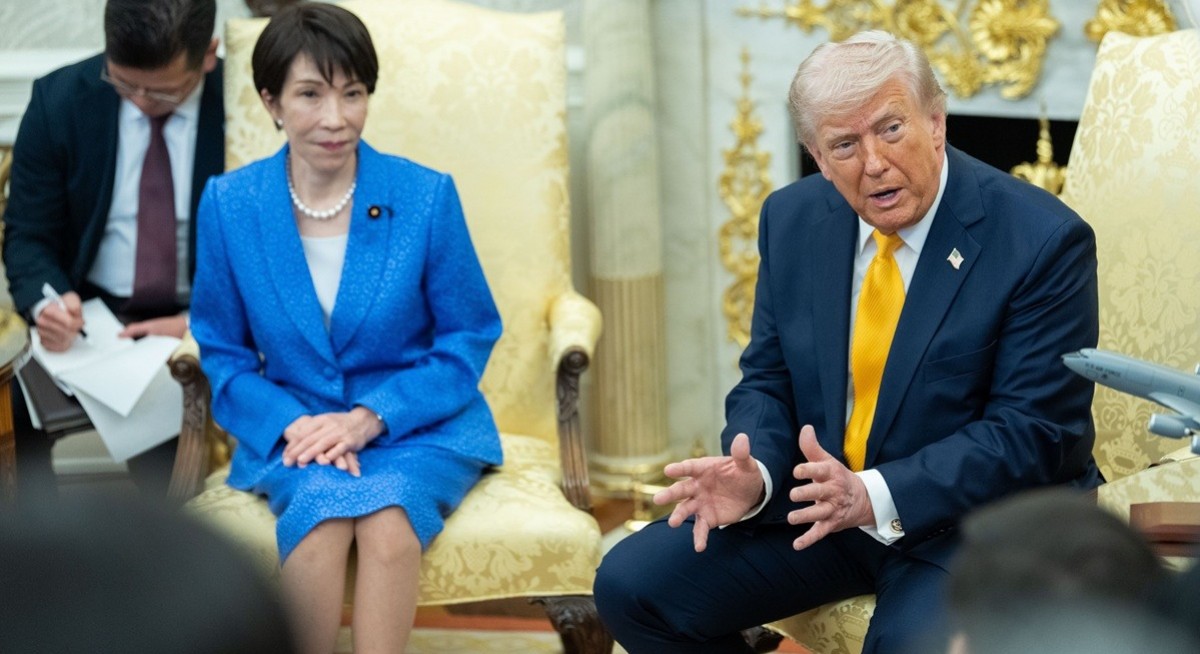
When Japanese torpedoes sped towards US ships moored at Pearl Habor and dragged the US into World War Two, their respective diplomats in Washington were still in talks. At the March 19 meeting at the White House between Japan’s Prime Minister Sanae Takaichi and President Donald Trump, the latter was quick to cite the event from 85 years ago as why the US and Israel chose to bomb Iran without consulting other allies. Clearly, pulling surprises seems to be how the US conducts global affairs these days. What is also clear is that as the fighting drags into the second month, unhappiness is clearly mounting.
Badr Albusaidi, the foreign minister of Oman, writing in the most recent issue of The Economist, states that “Israel and America again launched an unlawful military strike against the peace that had briefly appeared really possible”. Lest anyone forget, talks in Geneva in February were “substantive” and on the “verge of a real deal” that includes highly significant concessions with regards to uranium, in exchange for the lifting of sanctions and unfreezing of assets.




