






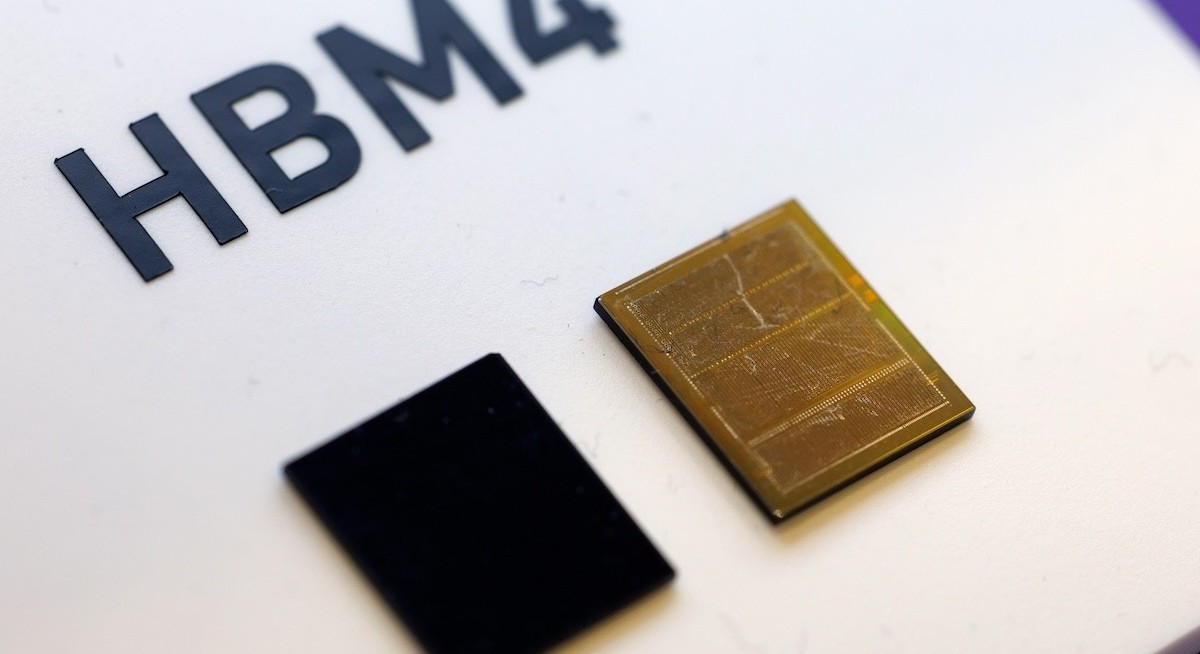



Let me cut through the jargon so you can understand what’s going on. RAMs or DRAMs are volatile memory that lose their data when power is cut off. DRAMs store your working memory — they are the chips that hold whatever your PC, tablet or smartphone is actively using right now, like open apps and browser tabs. Spot prices of NAND, or non-volatile flash memory, which retains data without power and is used mostly in solid-state drives (SSDs) and USB drives, are up more than 600% over the past year. But even contract prices have more than doubled.
Can you guess the best-performing stock market in the world this year? Or the planet’s top market last year? South Korea’s Seoul bourse is the far-and-away leader — up 39.4% in the eight weeks so far this year, 139% over the past 12 months and 151% since January last year. The massive rally over the past 14 months has been powered mostly by AI-related demand, with global memory chip giants Samsung Electronics and SK Hynix leading the way. Hynix stock is up 408% over the past 12 months, while Samsung is up 255% over the same period.
There is a huge global shortage of memory chips, which store digital data that lets computing devices remember information. Chip research firm TrendForce says demand currently outstrips supply by over 10%. That, in turn, is pushing up prices of everything from smartphones to PCs, tablets and an array of other gadgets. Spot prices of dynamic random access memory chips, or DRAMs, are up more than 2,000% over the past year. While spot prices can swing wildly in the short term, even long-term contract prices for DRAM chips have surged 187% over the past year. But should we have to pay more for our phones, PCs and cars so that some billionaire can build more AI data centres?




