

The rickshaw riders used to do a roaring trade. Tourists used to queue up to pay a premium for this inferior product. It was like taking a horse-and-carriage ride in New York’s Central Park. People paid for the “old” experience.
In the 1950s, buses were limited. Taxis were expensive. Cycle rickshaws were essential daily transport. They were common around Chinatown, Bugis, Geylang and the Singapore River. The rickshaw riders ferried workers and schoolchildren.
There were tens of thousands of cycle rickshaws by the mid-1950s. Being a rickshaw rider was a useful livelihood for new migrants. It did not require much capital and rewarded persistence.
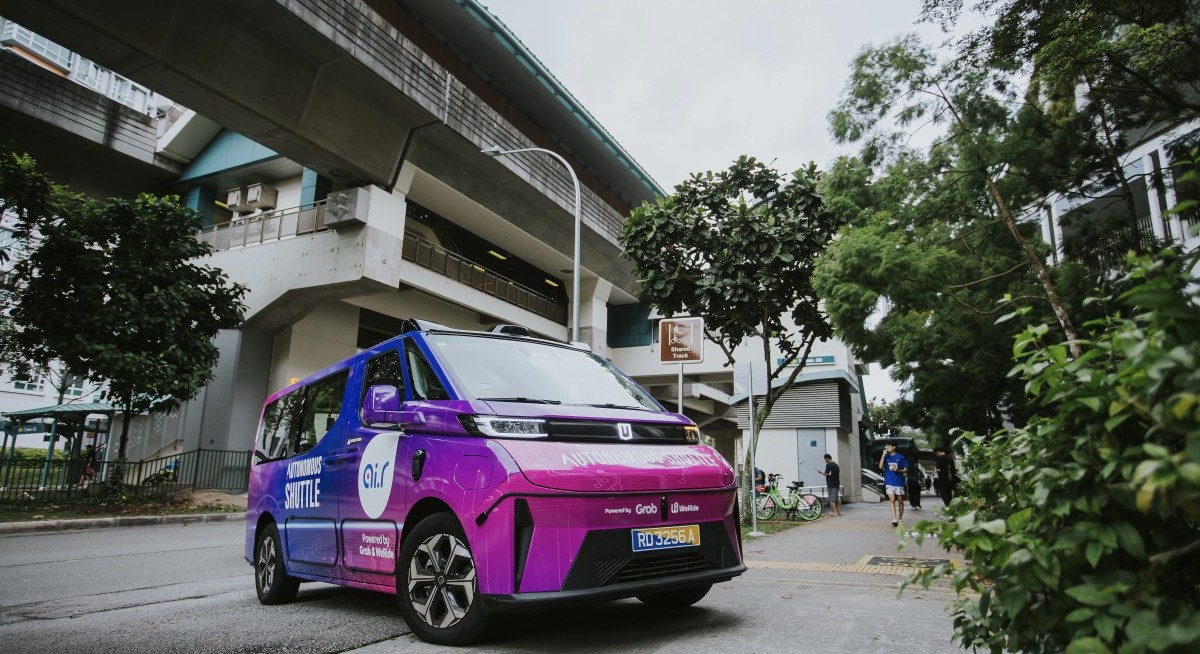
Cycle rickshaws may be a precursor to the fate of taxi drivers. There are 13,000 taxi drivers and 40,000 riders in this city. ComfortDelGro Corp, the lead taxi operator in Singapore, has started a pilot scheme for robotaxis.
See also: Maersk cuts jobs, sees drop in earnings as Red Sea reopens
These self-driving taxis are sweeping the streets in America. In San Francisco, a quarter of the taxi rides don’t involve human drivers. Waymo, the market leader in robotaxis, tripled its ride volumes in 2025. The market expects the ride volumes to quadruple this year.
Robotaxis still sound like a futuristic experiment in Singapore. It may remind people of KITT, the self-driven car in the 1980s TV show Knight Rider. At the moment, these vehicles are confined to test zones in Punggol.
There is a stark reality that the market is ignoring. Taxis and ride-hailing services are built on human labour. Taxi drivers earn around $1,500 a month, while the ride-hailing drivers make between $2,000 and $2,550 a month. Driver compensation is the main reason that a trip to the airport from the CBD costs $30.
See also: Tanker rates spike as Iran woes run up against tight supply
Robotaxis remove the single biggest variable cost — the driver. Vehicles that can operate continuously could operate cheaper. Robotaxis don’t need coffee breaks. They don’t bother customers with idle chatter. This creates the possibility of higher margins and cheaper fares, as well as quieter rides.
Singapore is built for robotaxis. In Jakarta, many roads are unmarked and unpaved. It is a sprawling city with erratic driving cultures. Singapore, on the other hand, offers dense demand and short travel distances. The roads are perfectly marked. Traffic rules are enforced with unerring discipline. There is 5G coverage for smart traffic systems.
The markets are missing the impact. Mobility valuations still assume a driver-centric world. Grab Holdings, valued at more than $20 billion, is a super-app inching toward profitability through incremental ride-hailing gains. GoTo trades at a fraction of its IPO peak. This reflects execution challenges rather than any autonomous upside.
At 7 times EV/Ebita, ComfortDelGro is priced like a steady transport utility. Its earnings are anchored to a labour-heavy fleet model. The valuations do not indicate a world where the main cost fades.
Structural cost shifts are rarely priced early. They creep in quietly like thieves in the night.
The lesson is not new. The first trans-Atlantic container service was launched in 1966. Containers are steel boxes of uniform size that have transformed shipping. The boxes moved seamlessly from ship to truck and cut port handling time. Yet investors kept valuing shipping lines as if nothing had changed. They were fixated on freight cycles. Shipping margins halved in the next decade.
Robotaxis are unlikely to displace drivers overnight. Instead, the pressure may begin at the margins. Airport transfers from Changi Airport may soon exclude humans. Trips across the Causeway to Johor Bahru could become a robotaxi preserve. Demand for drivers may erode slowly rather than collapse suddenly.
Investors still value transport companies through a labour-intensive lens. The cost cuts from robotaxis are absent from the valuation models. Their arrival could take the mobility stock prices further. Human drivers may become a form of quaint entertainment like cycle rickshaws. They may line up outside Boat Quay, just like the rickshaw riders used to.
Nirgunan Tiruchelvam is head of consumer and internet at Aletheia Capital and author of Investing in the Covid Era. He is a holder of ComfortDelGro shares.


