



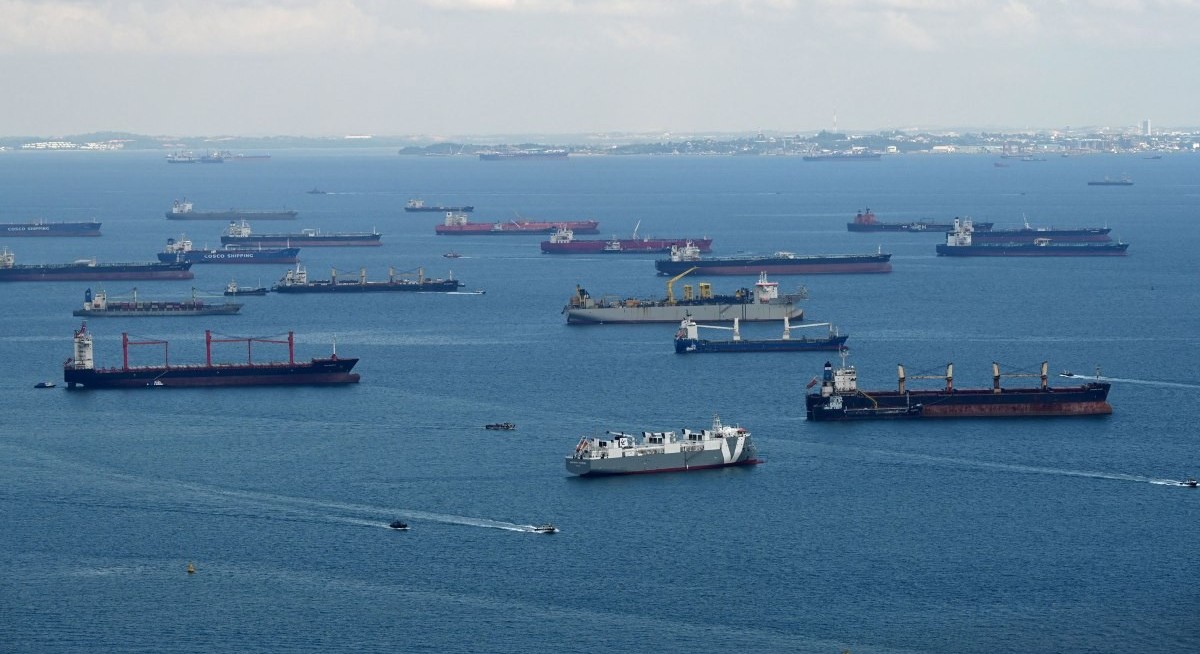



More recently, Oman, one of the countries bordering the Strait of Hormuz, has raised the prospect of charging fees on ships transiting the strait and has been analysing how other global chokepoints are managed. The prospect of fees in Hormuz has left some shipowners and traders wondering what that could mean for the Strait of Malacca, which remains toll-free for now.
Disruption to shipping through the Strait of Hormuz has shone a spotlight on another critical maritime corridor half a world away. The Strait of Malacca — a narrow stretch of water between Indonesia and Malaysia that funnels trade past Singapore — carries more than a fifth of global seaborne trade.
Long seen as a strategic vulnerability, the strait has come into sharper focus following Iran’s closure of it. While the Strait of Malacca is governed by international rules guaranteeing free passage, and concern spread in April after a top Indonesian official briefly floated the idea of transit tolls.




