



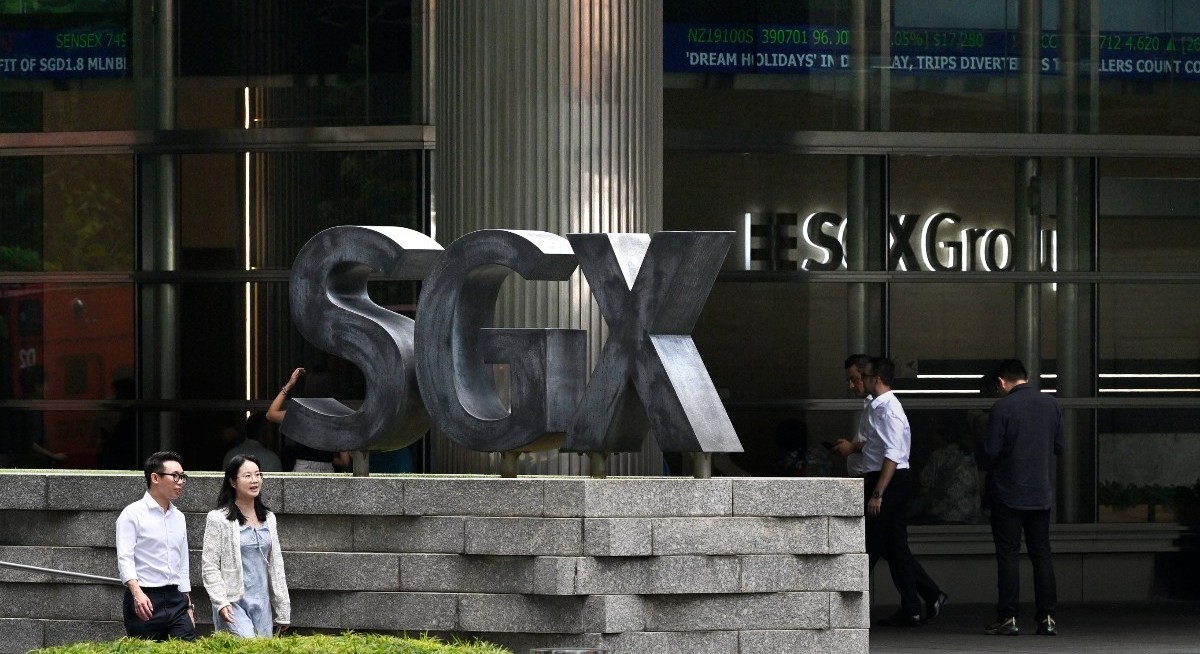



The goal of this article is to score the components of STI to help investors filter for potentially undervalued stocks. If every stock is overvalued, it would be wise not to invest entirely in the benchmark. If every stock is undervalued, buying an exchange-traded fund (ETF) that tracks the STI may be a good idea, but investing individually in the most undervalued stocks may be more strategic. If every stock were fairly valued, investors could add them to a watchlist and track them.
Investors can always pick and choose what they invest in. This extends to investing in individual components of a benchmark. For domestic investors, one well-known benchmark is the Straits Times Index (STI), which comprises the 30 largest and most liquid stocks on the Singapore Exchange. The STI is reviewed quarterly for entry and exit of new constituents.
If an investor’s goal is to beat the market, then studying the stock benchmark can be useful. Firstly, each stock in the STI can be undervalued, fairly valued, or overvalued at any given time. Given that the STI’s constituents are weighted by size or market capitalisation, stocks trading near the lower end of size may be replaced by other stocks on the reserve list. Entering and exiting the STI, or any well-known index or benchmark, can significantly impact a given stock’s share price and may present investors with an investment opportunity.




