



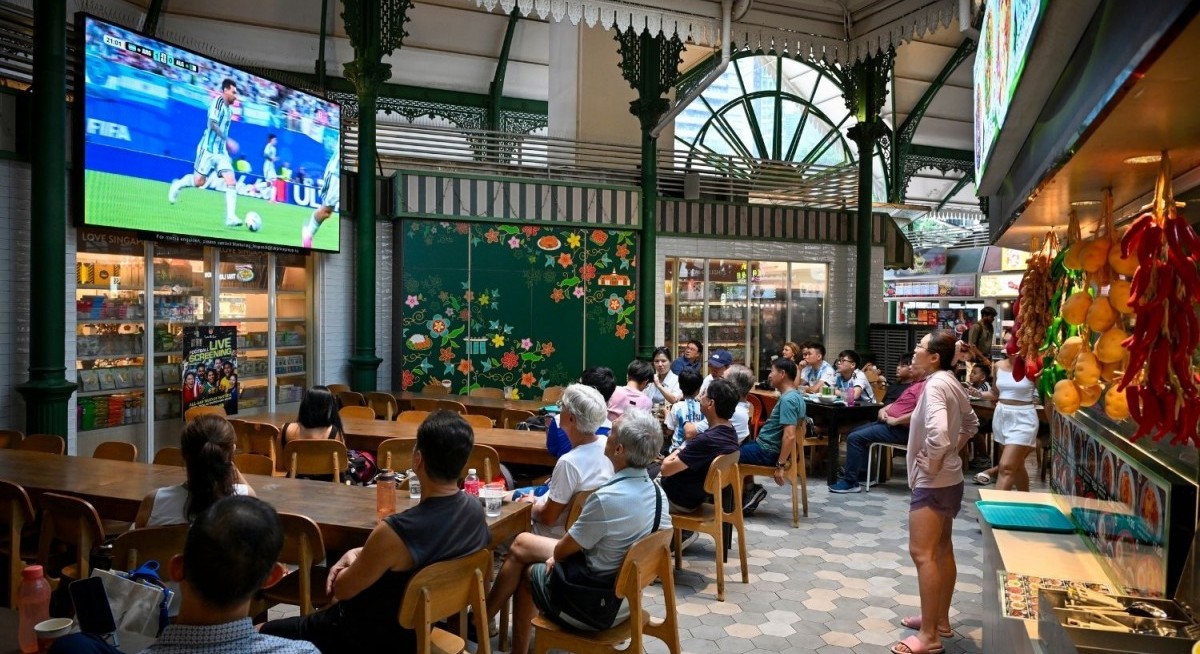



“This has implications for revenue mix, visibility and the ability to measure engagement across channels. Football offers a particularly clear lens through which to observe this transition,” they add.
A room at the SpringHill Suites in East Rutherford, a Marriott-run hotel less than a mile from MetLife Stadium in New Jersey, cost about US$218 ($280) before the Fifa World Cup kicked off. For the weekend of the July 19 final, the same hotel is asking US$4,500 a night, with a two-night minimum booking, according to The Wall Street Journal. Across the host nation, businesses from hotels to airlines are yearning for this big wave of consumer spend, a lucrative surge typical of major entertainment blockbusters.
Now, more than just hotels and caterers, live sporting events have grown to the extent that professional investment managers are now building investing themes around them. “Live sport remains one of the few content formats capable of delivering large, real-time audiences, yet the ways in which that attention is captured and monetised now extend well beyond the traditional broadcast window,” say Mark Andersen and Marianna Mamou of UBS Global Wealth Management.




