






The US enjoys significantly higher per capita income than China. At the same time, alternative transport options are often less extensive than in many major Chinese cities. As a result, the price elasticity of demand for ride-hailing in America is lower. Consumers are more able and willing to absorb higher fares.
Another way to understand the thesis in “The political economy of modern capitalism” (The Edge, June 1, 2026) is to translate the discussion from the macroeconomy to the microeconomy — from nations to firms.
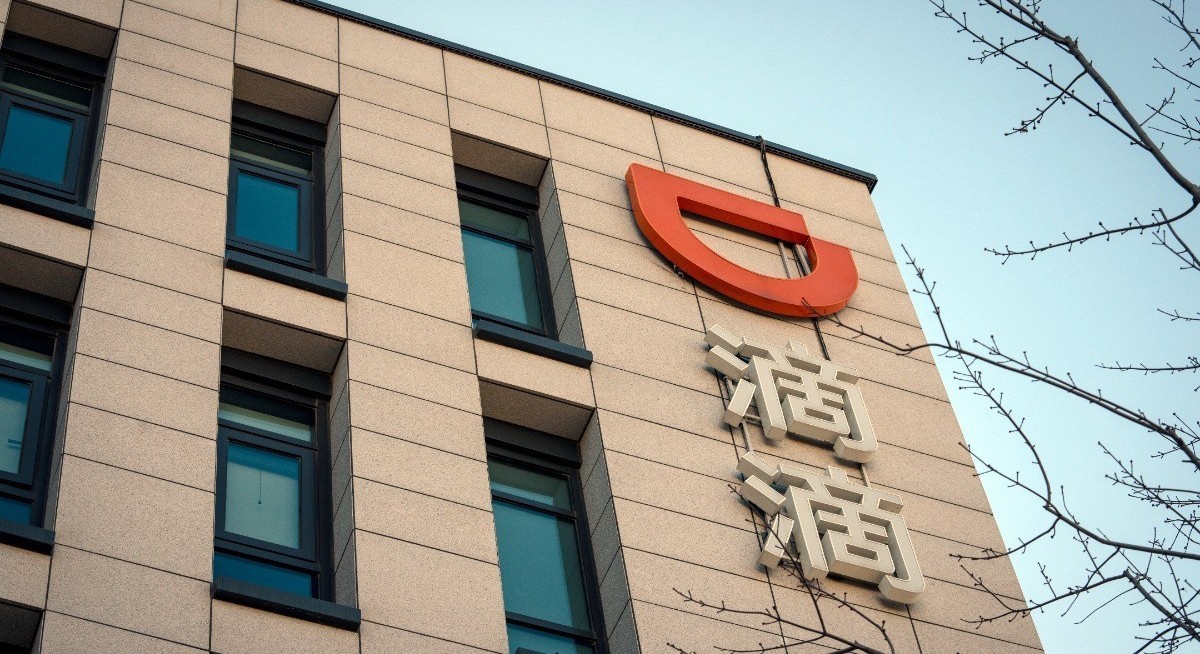
Consider Uber in the US and DiDi in China.




