



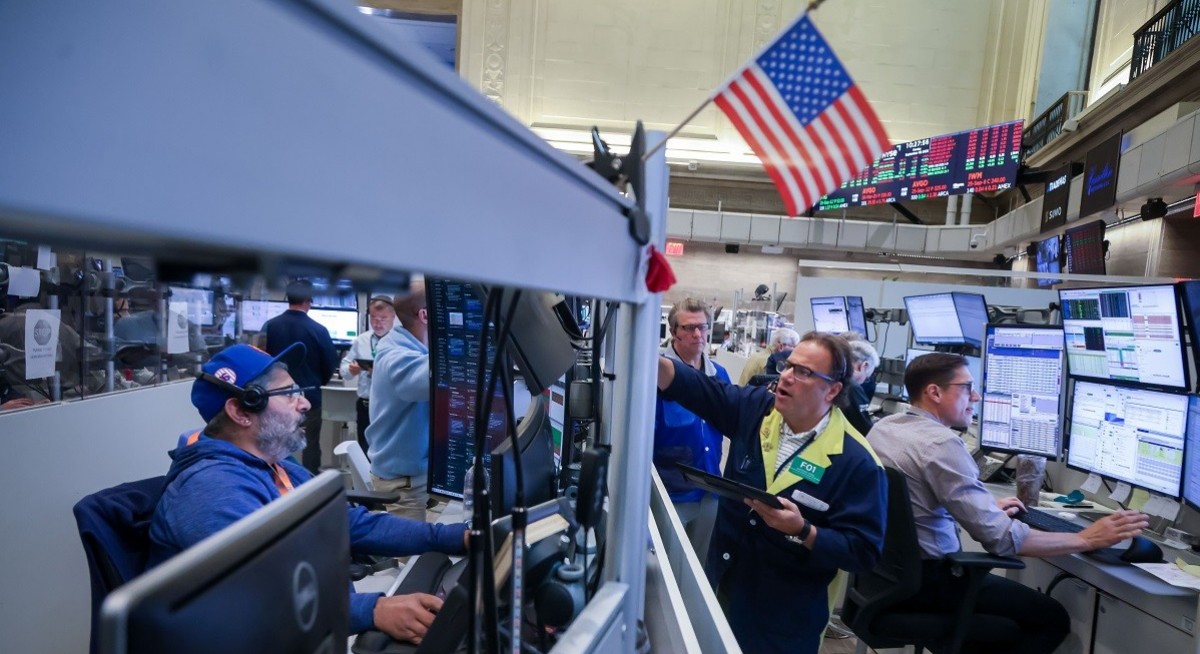



The worry is whether the Fed has acted quickly enough to head off an economic hard-landing that would undercut the case for stocks to rise further. Though growth remains relatively strong and corporate profits are healthy, ominous signs have cropped up in recent data, including a jobs report that showed unemployment at its highest level since 2021. Investors are employing a range of strategies to take advantage of an expected shift, from buying shares of smaller companies to sticking with the megacap names that have led markets higher.
A US$14 trillion rally that has taken stocks to record highs is heading for an inflection point next week, with investors expecting the Federal Reserve to resume cutting interest rates at its long-awaited monetary policy meeting.
The S&P 500 Index is up 32% from its April lows, buoyed by bets that the Fed will lower borrowing costs several times this year, and a 25-basis point reduction on Wednesday is seen as a lock. Bullish traders may have history on their side: The index has been 15% higher, on average, a year after cuts resumed following a pause of six months or more, data from Ned Davis Research going back to the 1970s show. That compares to a 12% gain in the same period after the first cut of an ordinary cycle.




