Bonus unlimited access to online articles and virtual newspaper on The Edge Malaysia (single login)
The Edge Print and Digital 1 Year
S$ 139.00/Year
Weekly print edition delivered to your mailbox
Unlimited access to online articles
3 simultaneous device logins
Bonus unlimited access to online articles and virtual newspaper on The Edge Malaysia (single login)
For bulk or corporate subscriptions, please submit your enquiry here
You’ve chosen
Please wait...
You are about to be charged
Please wait...
Create an account to purchase your new subscription.
Email address is empty or not valid
Password is empty or not valid
Password confirmation is not valid
By clicking continue, I agree to receive exclusive content, offers and updates to products and services from The Edge Singapore. I can change these preferences at any time.
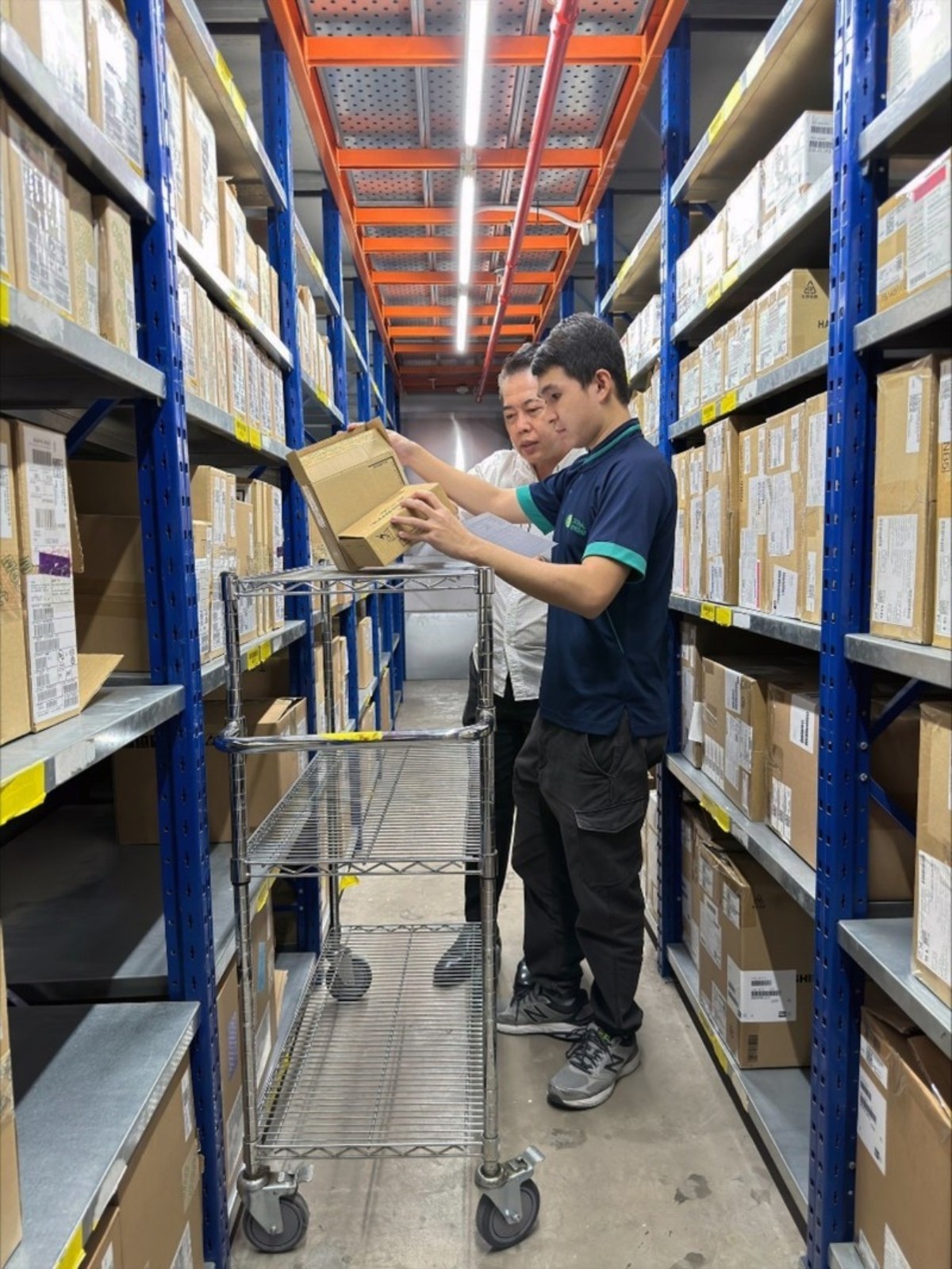
Serial Achieva, together with its subsidiaries, is a distributor of consumer and enterprise IT products and computer peripherals. The company serves a multitude of business partners with a portfolio of a broad range of IT products from top international brands such as AMD, Intel, ViewSonic and Gigabyte.
1. What are Serial Achieva’s core business segments today, and how has the business mix evolved in recent years?
When a stock gets too much attention, the likelihood that its valuation is skewed increases. An example of this is stocks in major indices with the highest trading liquidity, investor interest and fund participation. If too many retail investors are involved, the price it trades at would likely not reflect its true valuation, compared to if it were trading solely with a group that does not prioritise short-term sentiment.
Singapore Airlines (SIA), the “world’s favourite airline”, reported operating profit in FY2026 ended March rose to $2.375 billion, up 29% y-o-y, with 2HFY2026 operating profit at a record $1.572 billion, up 72% y-o-y. Operating profit margin for the full year was 11.57%, and in 2HFY2026 it rose to 14.5%.
SIA Engineering (SIAEC) has reported higher earnings for FY2026. While analysts remain bullish on this counter with their respective “buy” or equivalent calls, they have also trimmed their target prices to reflect a potential near-term slowdown amid fighting in the Middle East.
“We think SIAEC’s long-term growth trajectory remains intact, supported by capacity and geographical expansion,” says Ada Lim of OCBC Group Research, whose fair value for this counter has been trimmed to $4 from $4.05 previously, which is pegged to 24 times FY2027 earnings.
In August last year, Keppel announced its proposed $1 billion cash sale of M1 to Simba. However, on May 18, the IMDA announced it had suspended the review of Keppel’s planned sale of M1 to Simba.
“Given IMDA’s decision, the proposed divestment of our stake in the M1 telco business will be removed from Keppel’s announced monetisation for 2025,” Loh Chin Hua, group CEO, Keppel, says during a briefing to analysts and media.
Citing signs of a cyclical recovery, Hussaini Saifee of Maybank Securities has become more bullish on Thai Beverage following the alcohol giant’s 2QFY2026 results, upgrading the call from “hold” to “buy”.
He observes that spirits revenue was up 1.3% y-o-y and net profit up 6.4% despite cautious consumer conditions. Beer rebounded strongly in 2Q after a weak 1Q, supported by festive activities and improving demand momentum.
The rearmament trend in the new world order has helped lift Singapore Technologies Engineering’s (ST Engineering) order book to a new record of $34.5 billion. As at end March, the company has won some $2.4 billion in new orders through its defence and public security segment, which accounts for half of the company’s total.
What do Singapore’s sovereign wealth fund GIC, the husband-and-wife team behind 99 Speed Mart, the founding brothers of Mr DIY, and private equity firm Creador have in common? They all walked away with a massive windfall of hundreds of millions — and, in some cases, billions — of ringgit following the initial public offerings (IPOs) of the companies they either founded or backed.
Year four of the bond bull market started calmly, albeit with a range of ongoing concerns. AI investment was driving a surge in long-dated issuance amid nagging doubts about eventual revenue generation and potential negative economic impacts.
Meanwhile, a few credit “mishaps” begged the question: are these isolated incidents, or the leading edge of a full-blown credit cycle that could rip through private placement funds, BDCs [business development companies] and CLOs [collateralised loan obligations] — potentially even posing a systemic risk to the economic expansion?