






Some 13 years on, in 2021’s post-pandemic phase, CapitaLand split its development and real asset management (RAM) businesses. By then, Ascott had already pivoted to an asset-light lodging platform.
In 2000, The Ascott Group was listed on the Singapore Exchange following the merger of The Ascott and Somerset Holdings. The newly listed company had a combined portfolio of 6,000 serviced residence units across 16 cities worldwide and operated largely as an asset-heavy operator, owning and managing its properties.
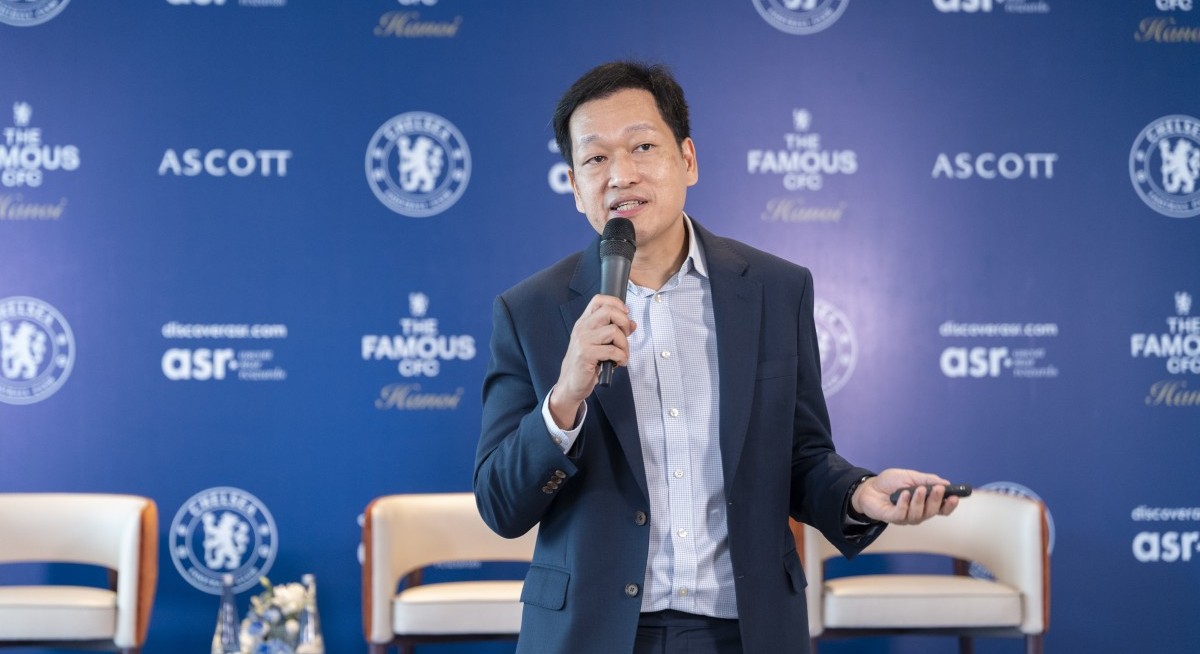
When Ascott was taken private in 2008 — becoming a wholly owned subsidiary of CapitaLand — it remained largely a “brick-and-mortar” business. At the time, it was still “managing around 20,000 keys under this asset-heavy model”, recalls Kevin Goh, CEO of Ascott, at a recent media briefing in Hanoi.




