



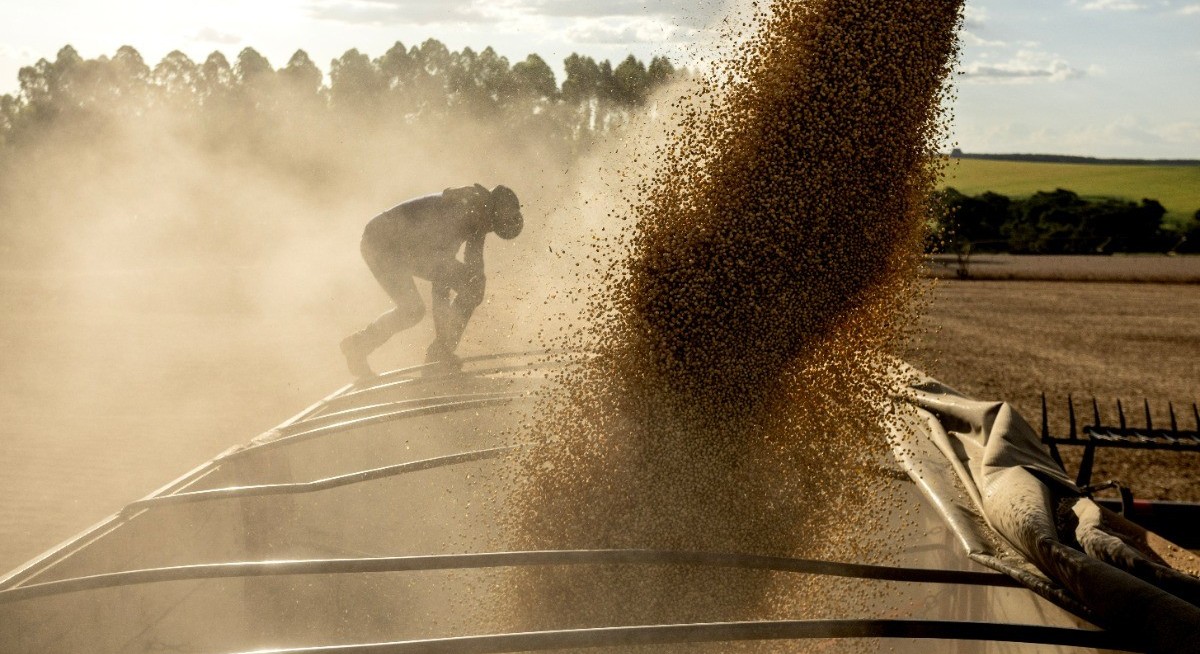



(June 15): Grain and vegetable oil futures declined on expectations a potential reopening of the Strait of Hormuz would improve access to vital crop inputs, helping to ease the threat of food inflation brought on by the months-long war in the Middle East.
The US and Iran said they reached an interim agreement to reopen the strait, halting a conflict that killed thousands of people. Officials from the two countries will meet in Switzerland on June 19 to formally sign the agreement, a decision that suggests aspects of the deal may still remain unresolved.
Hormuz is a key trade conduit for fertiliser and fuels, and a run-up in farmer input costs boosted grain and oilseed prices during the conflict. The rally across energy prices triggered by the war also boosted demand for crop-based fuels, which were seen as a more attractive option than increasingly pricey fossil fuels.
The United Nations’ Food and Agriculture Organization had warned in May that a severe global food price crisis could set in within six to 12 months due to the strait’s closure.
Still, some of the war-driven premium had already begun to fade across crop markets in recent weeks, partly due to ample global stockpiles and a decline in fertiliser costs. Monday’s losses extended that downturn. Corn and wheat both dropped around 0.7% in Chicago. Soybean oil, which is used in biodiesel, declined about 1%, and soybeans were little changed. Palm oil fell as much as 0.8% in Kuala Lumpur before trimming its losses.

See also: Indonesia says export agency to focus on price, not trading
The threat of fertiliser supply disruptions could ease after the agreement between Iran and the US to normalise traffic through the strait, said Anilkumar Bagani, head of research at Mumbai-based Sunvin Group. Lower energy prices further weighed on soybean oil futures by reducing the profitability of producing biodiesel from soybean oil, he said.
“Sustained peace would ease inflation, but it would take some time,” Bagani said.
The decline in palm futures was limited as the market was awaiting certainty over a higher biofuels policy mandate by major producer Indonesia, said Gnanasekar Thiagarajan, head of trading and hedging strategies at Kaleesuwari Intercontinental. Demand could resurface as access to the Middle East improves, he added.
See also: Copper declines as fresh US-Iran flareup stokes inflation fears
The reopening of Hormuz to shipping could help ease food inflation, potentially reducing pressure on interest rates and fuelling a recovery in agricultural commodity demand, Thiagarajan said.
Prices:
- Wheat in Chicago fell as much as 1.2% before trading at US$5.9150 ($7.58) a bushel at 12.30pm Singapore time
- Corn dropped 0.7% to US$4.373 a bushel
- Soybeans were little changed
- Soybean oil fell 1.1% to 68.89 cents per pound
- Palm oil in Kuala Lumpur was unchanged at RM4,475 a tonne at the midday break
Uploaded by Chng Shear Lane




