



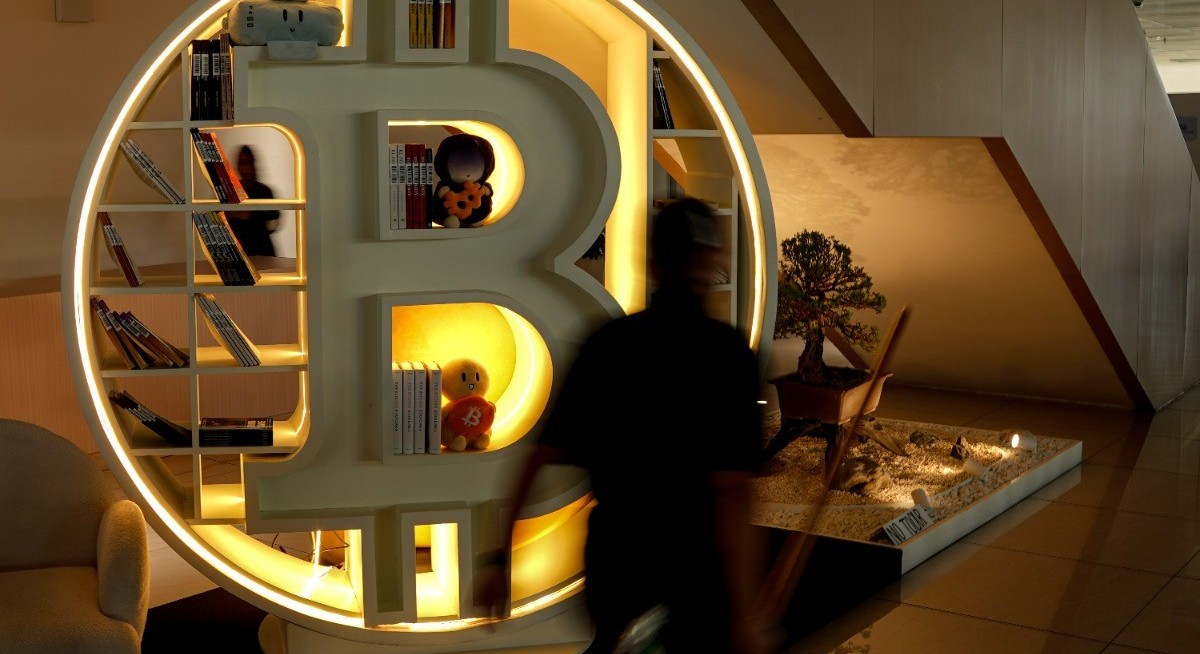


(March 27): Bitcoin’s largest options expiry of the year is colliding with geopolitical volatility that shows no sign of letting up, with make-or-break peace talks uncertain.
Roughly US$14 billion ($17.99 billion) of bitcoin options are set to expire Friday, as measured by the number of outstanding contracts, known as open interest. The quarterly rollover — which wipes out close to 40% of open positions on the dominant Deribit exchange — comes amid conflicting signals on the prospect of a halt to the nearly month-long war in the Middle East.
The overlap is sharpening a key question for traders: whether the expiry has been artificially muting bitcoin’s price swings and if its removal will expose the token to a sharper move driven by geopolitics.
Bitcoin has been stuck between roughly US$60,000 and US$75,000 in recent weeks, drifting well below its October 2025 peak of around US$126,000 after a market-wide crash on Oct 10. The lack of direction has persisted despite geopolitical tensions and intermittent inflows into US exchange-traded funds. Bitcoin fell as much as 4% to US$68,122 in the US on Thursday and was trading around US$68,800 early Friday in Asia.
Derivatives positioning helps explain the calm, according to market participants. Institutional investors spent much of the first quarter selling upside bets — effectively wagering that prices wouldn’t rise sharply — to generate income in a subdued market, said James Harris, chief executive officer at asset manager Tesseract. That activity shifted risk onto market makers, who have been buying on dips and selling into rallies to keep their exposure balanced.

See also: UK to ban political crypto donations on risk of interference
The result has been a dampening of volatility, traders say, with price action repeatedly gravitating towards a so-called “max pain” level — the point where the largest number of options expire worthless — near US$75,000. In practical terms, those hedging flows have acted like a magnet, nudging bitcoin higher while capping gains.
“The hedging flows might pull price action towards that level as settlement approaches but effectively cap the range,” Harris said.
Once the contracts roll off, the mechanical buying and selling tied to hedging will fade, potentially leaving bitcoin more exposed to external catalysts. And those catalysts are mounting. On Thursday, President Donald Trump pushed back his deadline for Iran to strike a deal with the US or face more attacks, saying talks with the country were going “very well”.
See also: Mysterious US$15 bil crypto haul faces questions in US court
“Without clear direction from the Middle East, bitcoin is likely to stay in the US$70,000-US$75,000 zone,” said Andreja Cobeljic, head of derivatives trading at AMINA Bank, adding that the upper bound could act as both a magnet and resistance. A credible ceasefire could push bitcoin above US$75,000, triggering further gains as bearish positions are unwound. Failure in negotiations, however, may drag the token back towards the rising trend line at US$68,500, he added.

The broader backdrop offers limited support. While March has seen about US$1.5 billion of net inflows into bitcoin ETFs — a stabilisation after four straight months on net outflows — those allocations have proven sensitive to macro shifts. A single day in mid-March saw US$163 million pulled as interest-rate expectations changed.
That fragility underscores the central takeaway from Friday’s expiry: the calm in bitcoin may be more structural than fundamental.
Jasper De Maere, an OTC trader at Wintermute, said that options dynamics can create a “mild upwards bias”, but conviction remains weak. Once the expiry passes, the forces suppressing volatility will recede — leaving macroeconomics and geopolitics firmly back in control.
That leaves the market exposed to sharper moves if sentiment turns.
“The risk is not that institutions are absent. The risk is that they are present but will exit rapidly if the weekend delivers an adverse outcome and the structural cushion that was there last week will not be there to slow the move. Volatility is more likely to increase from Friday than decrease as a result,” Harris said.
Uploaded by Chng Shear Lane




