



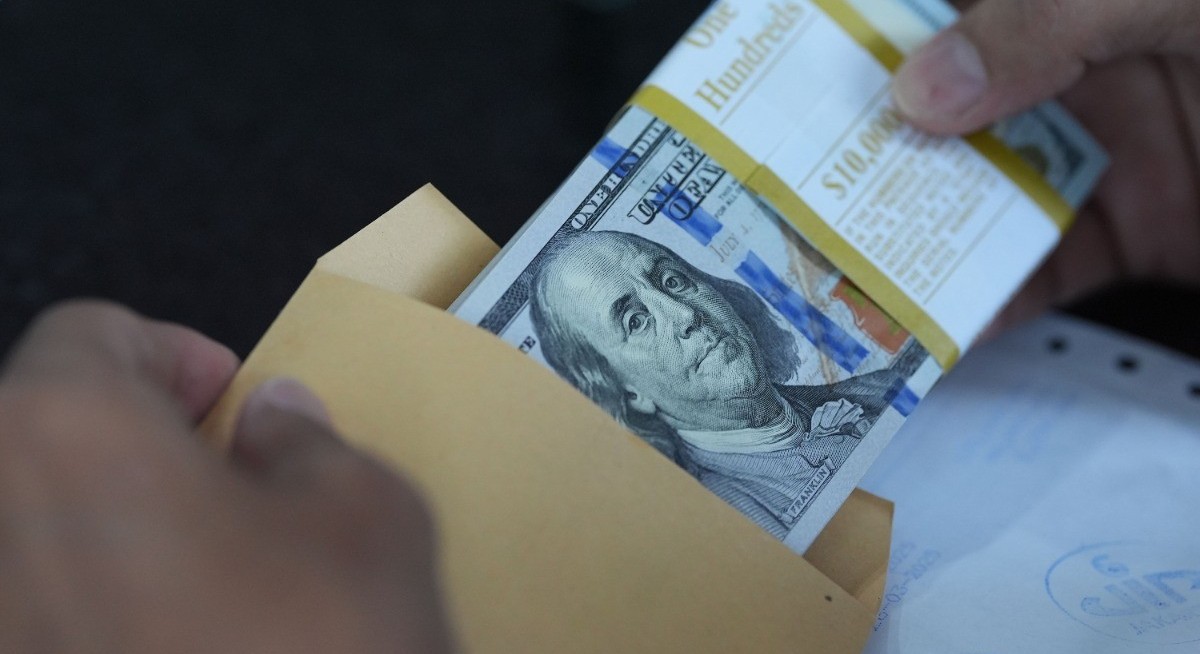


(March 9): The dollar strengthened against most of its major peers as a deepening war in the Middle East pushed oil above US$100 per barrel and boosted demand for the US currency as a haven.
Appetite for the greenback surged as crude markets faced the prospect of increased production curbs and the US threatened to deepen the conflict with Iran. Meanwhile, Iran named a new leader and its armed forces suggested they had the capacity for sustained high-intensity war.
The Bloomberg Dollar Spot Index climbed as much as 0.7% after rising 1.3% last week. The gauge pared gains after the Financial Times reported that finance ministers of the Group of Seven countries will discuss a possible joint release of petroleum from reserves to cap the surge in energy costs.
Sweden’s krona led losses among the Group of 10 currencies, followed by the pound and Norwegian krone. The South African rand dropped the most among major emerging-market currencies.

“The dollar has been seen as the ultimate safe haven due to its liquidity while also being buoyed by the rise in oil prices,” said Matthew Ryan, head of market strategy at financial services firm Ebury. “We favour continued upside in the dollar so long as the war drags on without an immediate end in sight.”
See also: Indonesian stocks, rupiah slump as Iran conflict escalates
The surge in oil prices has fanned inflationary fears around the world, leading traders to trim bets on the US Federal Reserve interest-rate cuts that had weighed down on the US currency. The greenback is also benefiting from America’s position as the world’s biggest oil producer.
The dollar has been one of the few traditional havens that have offered investors refuge as conflict in the Middle East has roiled financial markets. Treasuries, the yen, the Swiss franc and gold have come under pressure while the dollar has rallied.
The yen weakened again Monday, falling 0.4%. Japan’s currency is now trading close to levels that may prompt market speculation over possible intervention by authorities.
See also: Türkiye spends US$12 bil to defend lira from war-fuelled turmoil — Bloomberg
“Japanese officials will definitely feel uneasy now with dollar-yen increasing back towards 160,” said Carol Kong, a strategist at Commonwealth Bank of Australia in Sydney.
Meanwhile, positioning data supports prospects of further dollar strength.
Hedge funds are now the least bearish on the dollar since January, according to data from the Commodity Futures Trading Commission for the week through March 3. They now hold about US$12.3 billion in bearish positions, compared with US$18.9 billion a week earlier.
Bond traders are also giving the dollar a boost. Investors have pushed back the chance of a full quarter-point Fed rate cut to September. At the end of February, before the war erupted, traders were pricing in a reduction of that magnitude by July.
Some bond options traders are even betting that the Fed will avoid any rate cuts this year.
“Brace for higher oil prices near term and risk aversion,” said Rodrigo Catril, a strategist at National Australia Bank Ltd. That means “higher dollar with energy dependent economies — Europe, Japan — likely to suffer more than energy independent economies such as Australia,” he said.
Uploaded by Arion Yeow




