



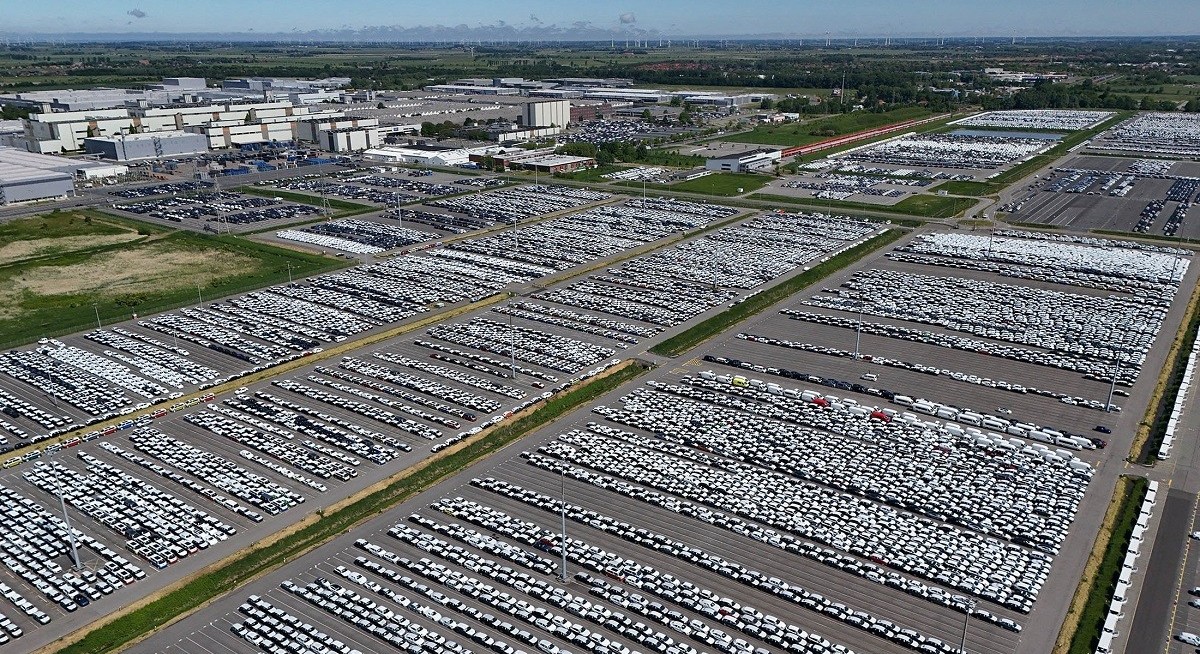



To regain its green credentials after Dieselgate, as the affair came to be known, the German carmaker pivoted — aggressively — to electric vehicles. In March 2021, Volkswagen said it aimed to sell more electric vehicles (EVs) than Tesla globally by 2025. That, too, hasn’t gone as planned. Early models flopped because of VW’s buggy software and flagging consumer interest in battery-powered autos, particularly in Europe. The company was slow to roll out competitive EVs in China, where local manufacturers now dominate the market. And US buyers have never really gotten very excited about the company’s electric offerings.
Volkswagen AG was in a downward spiral that threatened the venerable automaker’s very survival.
It was September 2015, and the “clean diesel” fairytale VW had peddled to consumers for years was revealed for the lie that it was. The German giant had outfitted millions of cars with software to cheat on tailpipe emissions tests, triggering a rebuke from the US government and a corporate reckoning that cost Volkswagen EUR32 billion ($47 billion) in fines, legal fees and recall costs, along with immeasurable damage to its reputation. Berthold Huber, interim chairman at the time, called the affair a “political and moral catastrophe,” and Wolfgang Porsche, a patriarch of the billionaire Porsche-Piëch clan that controls the company, deemed it a “crisis of trust.”




