
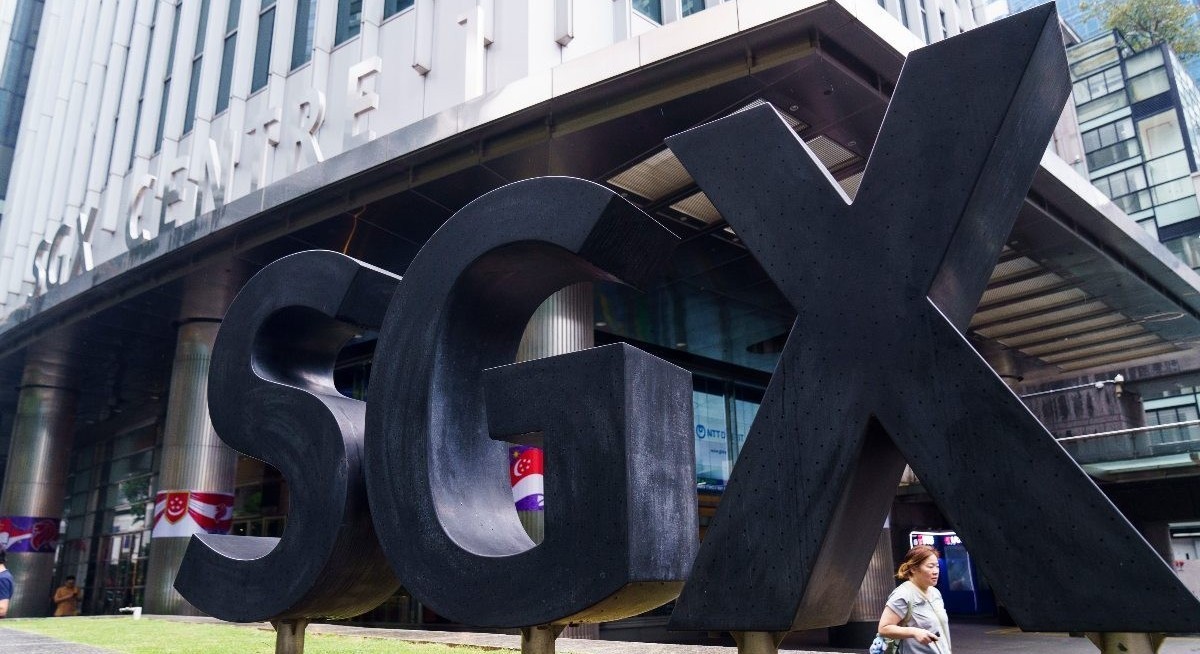

The Singapore Exchange Regulation (SGX RegCo) is launching a public consultation to obtain feedback on some new rules it is introducing to its disclosure requirements.
According to a statement published by SGX RegCo on April 22, the new requirements will “sharpen issuers’ focus on shareholder value creation initiatives” and “set higher baseline standards for disclosures.”
“Although investor relations cannot, by itself, move a stock, it can ensure that the market accurately reflects an issuer’s performance,” SGX RegCo CEO Tan Boon Gin told reporters in a media briefing on April 21. “In other words, it closes the valuation gap.”
Broadly, SGX RegCo’s proposed rules fall under three categories. Firstly, SGX RegCo wants issuers to disclose in their annual reports the key performance indicators (KPIs) they use to decide what their board members and executive officers are paid. Issuers are also expected to explain how these indicators align with shareholder value creation.
“With this, investors can make their own calls about whether issuer KPIs make sense in the context of the company and align with shareholder interests, as well as hold the board and management accountable to these KPIs,” Tan says.
Secondly, SGX RegCo wants issuers to maintain and describe their dividend policy in their annual reports. Tan emphasised that the new rule is not demanding companies to pay dividends.
See also: LionGlobal Singapore Trust Fund hits key milestone as AUM exceeds $1.25 bil
“We are calling on them for more transparency to their investors,” Tan says. “So, if they are not paying dividends because, say, they are in a growth phase and they need to re-invest all their profits, then they should say so. Investors can then express their view on whether they agree this is the best use of cash on the balance sheet.”
Thirdly, SGX RegCo wants issuers to maintain their own websites for investor engagement. Issuers will need to maintain and publish on their websites their annual reports, dividend policies and investor relations policies. The website should also provide details about an issuer’s investor engagement activities such as investor days, roadshows and tours.
“By themselves, these activities will not move a stock. That is not what regulation is for. That is the job of the market,” Tan says. “We see these rules as pushing both boards and shareholders to think more about value creation and forming a foundation for two-way engagement.”
See also: EQDP fund manager AR Capital to launch AR Majulah SG Fund in Q2 2026
The proposed rules come just months after the Equities Market Review Group published its final report in November 2025. The review group was first convened in August 2024 and was tasked with coming up with measures to bolster Singapore’s stock market. One of the measures proposed include a $30 million “Value Unlock” programme to help locally-listed companies develop their investor relations, corporate strategy and capital optimisation capabilities.
SGX says it has engaged with over 130 issuers so far on the financial grants that companies can apply under the “Value Unlock” programme. Currently, around two-thirds of the largest issuers listed on the Mainboard and Catalist either do not disclose that they have an investor relations policy or do not publish their policy.
Singapore’s value-up journey still at the beginning
Singapore is not the first country that has been pushing companies to create value for shareholders by strengthening its disclosure requirements. Japan and South Korea have launched their own value-up programmes and have seen positive results. Japan’s Nikkei and South Korea’s Kospi indices are up by 18% and 52% year to date respectively.
In his remarks, Tan acknowledged that while there have been calls by market participants for SGX RegCo to emulate Japan’s more prescriptive approach toward its disclosure requirements, it is important to recognise the differences between both countries.
Unlike Japan, Singapore is only at the beginning of its value-up journey, Tan says. As such, issuers need to be given more time to build up their capabilities and to change their practices. Fund managers will need more time as well to engage with issuers.
“Japan is a country that understands the value of doing things well over time. Today, Japanese knives are among the best in the world. Why? Because the country has over 800 years of history as a blade maker,” Tan says.
“To be clear, I’m not saying that we are going to need 800 years. I am saying that the impact that regulation has on value creation takes time to manifest. The consultation we are launching today is just one step. The market can look forward to more steps as we progress along this journey of excellence.”
SGX RegCo’s public consultation exercise will end on May 22, 2026. If approved, the new rules will apply to all issuers on both the Mainboard and Catalist from January 1, 2027. The changes will only apply to annual reports for financial years commencing on or after that date. Consequently, the first batch of annual reports to comply with the new rules would likely be issued from 2028 onwards.


