



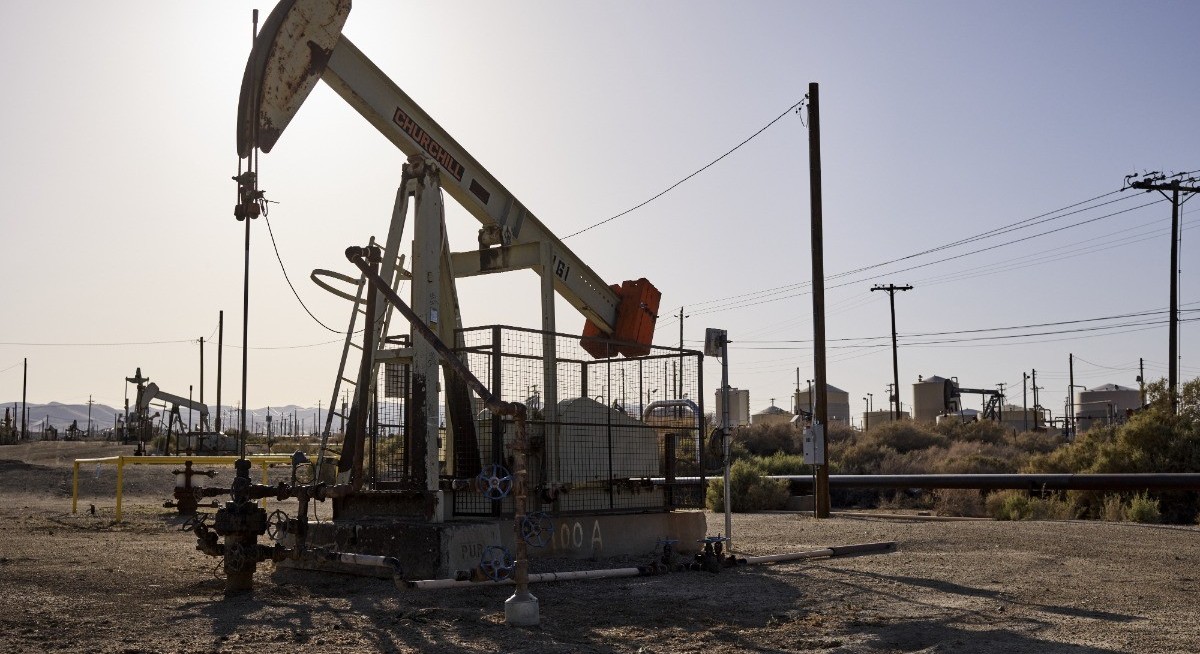


(April 9): The dollar and oil are trading in lockstep in the wake of the US-Iran ceasefire this week, tightening the relationship between them to near-record levels.
A gauge that tracks the correlation between the benchmark price of US oil and Bloomberg’s dollar index over a 30-day period has spiked since early March, and is now approaching the peak last seen a year ago when President Donald Trump announced aggressive trade tariffs.
The dollar index slid as much as 1.1% to a four-week low on Wednesday as news of the temporary truce sent US crude oil prices plunging by 16%. The greenback was steady on Thursday as oil gained 5% amid signs that the ceasefire was fraying ahead of peace talks scheduled for Friday.
“In this war there are no other major drivers of FX at the moment, so correlations have centred on oil,” said Noah Buffam, strategist at CIBC Capital Markets. “Risks of a breakdown in talks should keep some risk premium in the dollar.”


See also: UK urges US-Iran ceasefire to include Lebanon
The dollar has several direct links to oil, which have underpinned the close correlation since early March. The US is the world’s top oil producer, with the war in Iran pushing overseas demand for its output to record levels. Abundant domestic supply means the US economy is better positioned to withstand an energy price shock. The greenback is also the currency of global crude trade.
Options markets reflect the link. Sentiment, as depicted by so-called risk reversals, turned sharply more bullish for the greenback as Brent climbed above US$110. The relationship was especially clear beyond the short-term, with one-month and one-year dollar-bullish options moving closely with crude.
News of the ceasefire prompted a partial unwinding of those bets on dollar strength, led by the one-week tenor. Still, all maturities remain well above pre-war levels, suggesting the dollar continues to reflect an oil premium. The currency has also benefited from haven flows during the market turmoil of the past six weeks.
See also: Bailey warns Iran war is compounding private credit stress
The 14-day truce is proving fragile, with both sides accusing each other of violating the agreement. The Strait of Hormuz, a vital transit route for fuel and other shipments, has remained effectively closed since the announcement, driving Brent crude back up to about US$98 a barrel on Thursday. WTI crude is approaching US$100 a barrel.
But if oil prices can stabilise — even within a wider range — the correlation with the dollar “should wane,” said Peter Vassallo, portfolio manager at BNP Paribas Asset Management USA.
“It would take further escalations or increases in oil-price volatility for this correlation to remain high or even increase further,” Vassallo added.
Uploaded by Evelyn Chan




