



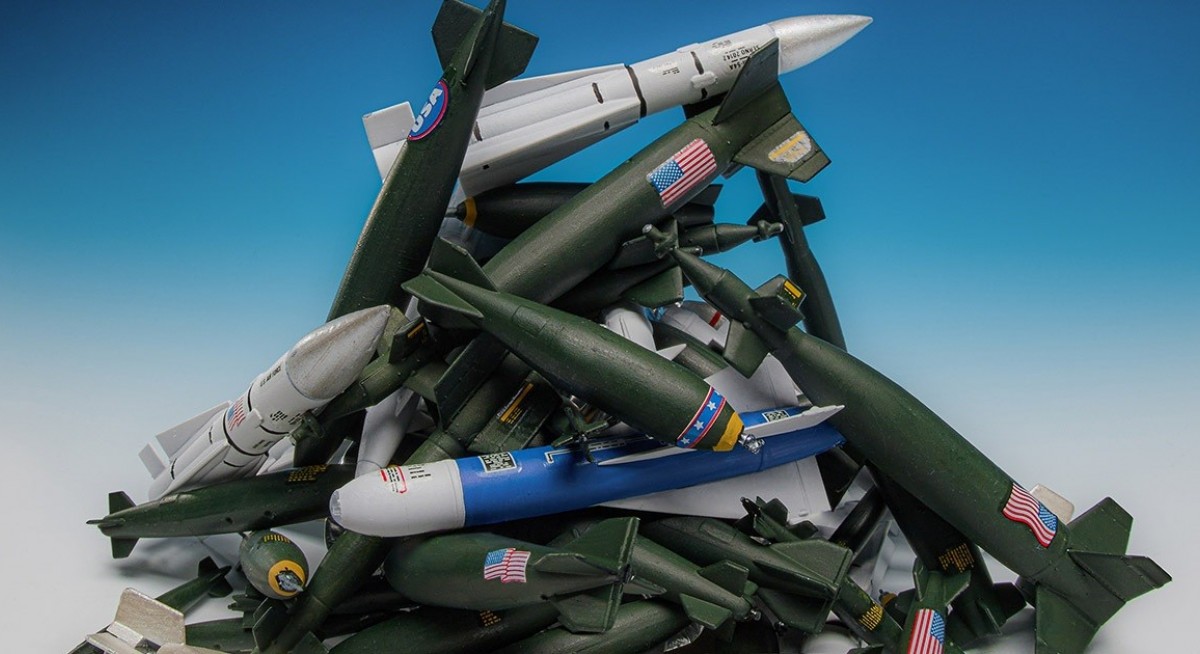



Rather than spend the money Trump squeezed out of them on a shopping spree for American guns and ammo, some European leaders instead see a chance to invest in weapons designed and manufactured at home, in hopes of one day luring customers from the US defence industry — much like how Airbus chipped away at Boeing Co’s dominance in passenger jets and, improbable as it once seemed, eventually surpassed its larger US rival.
Early this year, when Donald Trump was threatening to turn his back on Nato unless its members dramatically increased their annual contributions to the military alliance (“If they don’t pay, I’m not going to defend them”), his lieutenants travelled to Europe with an additional message from the president: Not only did Trump want each of the 32 Nato countries to bulk up their arsenals — he also expected them to buy American.
It might have been one demand too many. Although member nations ultimately appeased Trump in June by agreeing to boost their annual military spending to 3.5% of GDP by 2035 — and tossed in an additional 1.5% a year for defence-adjacent projects such as cybersecurity and infrastructure — their confidence in America’s commitment to the 76-year-old defence pact has been shaken.




