



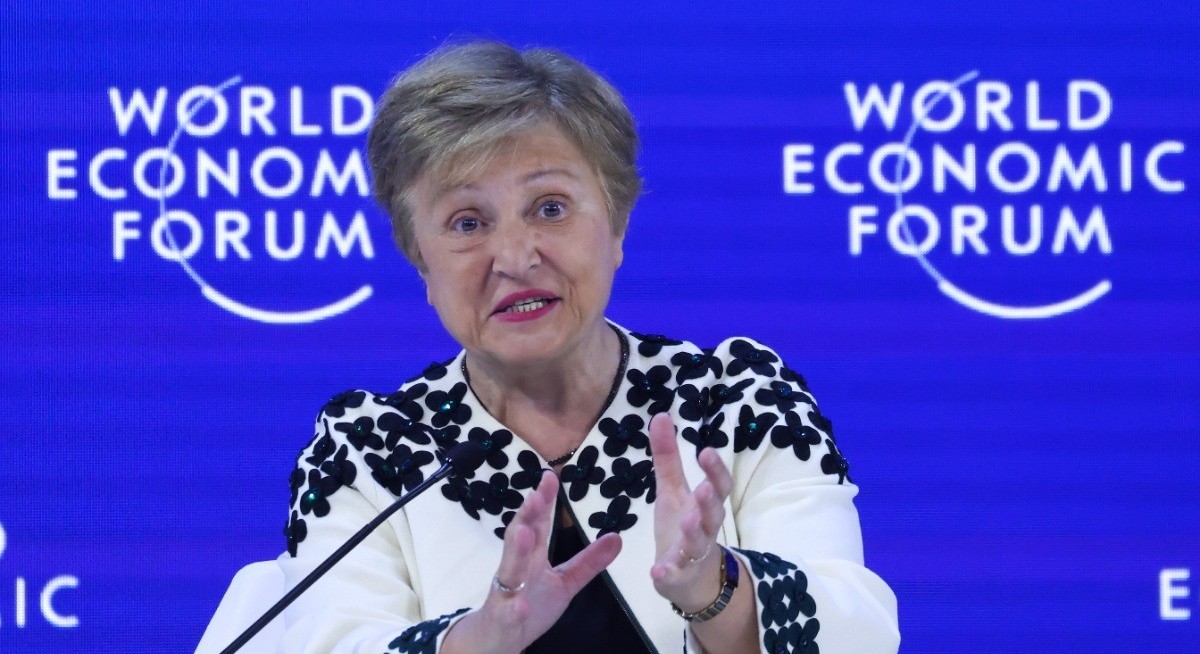


(March 30): The International Monetary Fund (IMF) warned that the US-Israeli war against Iran threatens a “global, yet asymmetric” shock, dimming the outlook for economies that were just recovering from previous crises.
Countries in Africa and Asia that are heavily dependent on oil imports are already finding it increasingly hard to access needed supplies, “even at inflated prices”, the world’s financial firefighter said in a blog post published on Monday.
“All roads lead to higher prices and slower growth,” the IMF said. The ultimate impact on supply chains and infrastructure will depend on whether the conflict proves a short or long one, the fund said, adding that “the world may settle somewhere in between — tensions linger, energy stays costly, and inflation proves hard to tame — with ongoing uncertainty and geopolitical risk.”
Brent crude surged towards US$115 a barrel in Monday trading, on track for a record monthly increase, as US troops arrive in the region. President Donald Trump repeated his threats to destroy Iranian energy assets if the Strait of Hormuz isn’t reopened soon, raising fears of a further escalation in the war that started on Feb 28 when the US and Israel attacked Iran.
Beyond the energy disruption, higher food and fertiliser prices are affecting some countries from the Middle East to Latin America, with low-income economies at risk of food insecurity, the IMF warned. The interruption of crop-nutrient supplies from the Gulf comes just as planting season begins in the northern hemisphere, threatening harvests through the year.
People in low-income countries are most at risk when food prices rise because it accounts for about 36% of their consumption on average, compared with 20% in emerging market-economies and 9% in advanced economies,” the IMF said in its post, written by economists including Tobias Adrian and Jihad Azour.
See also: Bessent confident US will ‘retake’ Hormuz Strait control, eyes escorts
“That makes any spike in fertiliser and food prices not just an economic problem but a socio-political one, especially where fiscal resources to cushion the blow are limited,” it said.
The fund will release a detailed report on the global economic outlook next month, when finance chiefs and central bank governors will gather in Washington for the IMF-World Bank spring meetings.
Uploaded by Felyx Teoh




