



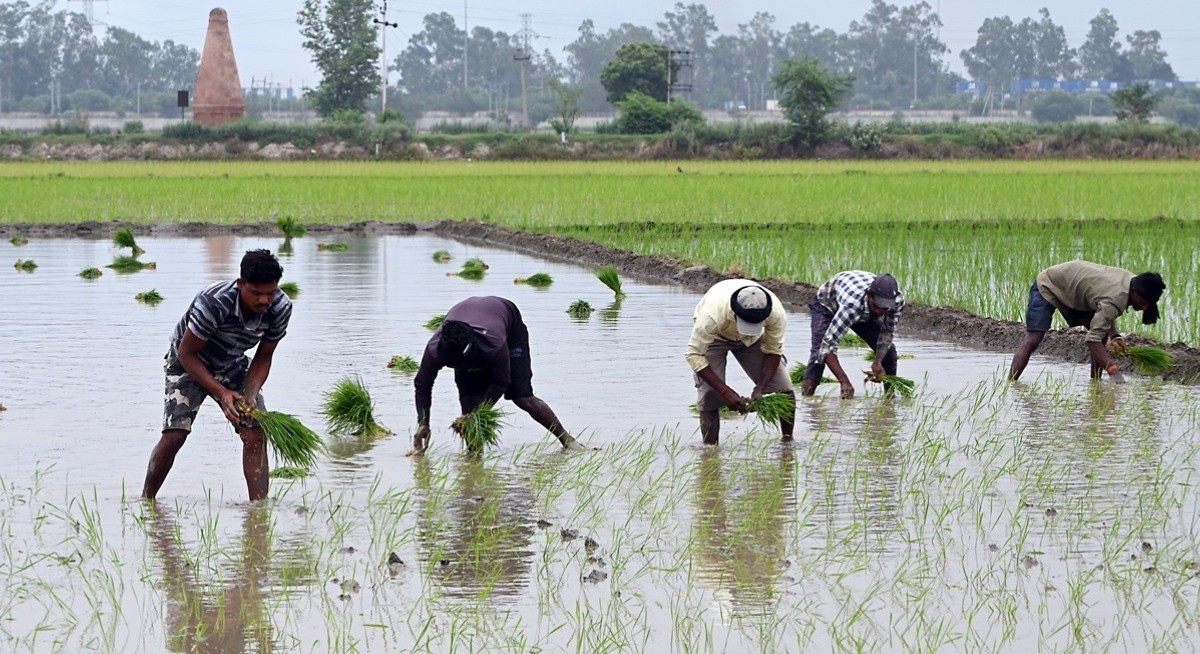



(May 29): India lowered this year’s monsoon forecast, a blow to farmers who are already facing higher input costs due to the Middle East conflict.
Cumulative rains during the June-September season are likely to be 90% of the long-term average, M Ravichandran, secretary at the Ministry of Earth Sciences, said during a news conference on Friday. The prediction carries a 4% margin of error. In April, the India Meteorological Department (IMD) had said that rains would be at 92% of normal.
A likely El Niño weather pattern is expected to reduce rainfall activity during the monsoon, which first reaches the country’s southern tip around June 1 before moving northward to cover the entire subcontinent over the next four to six weeks. Hundreds of millions of farmers in India, one of the world’s largest producers of rice, sugar and cotton, depend heavily on the seasonal rains to irrigate their fields.
The season delivers the bulk of India’s annual rainfall and is crucial for replenishing groundwater reserves and sustaining agricultural activity. As the planting season is just kicking off, worries over poor rains and food inflation are growing. Below-normal showers have previously prompted authorities to curb exports of some agricultural commodities to safeguard domestic supplies. The government this month banned sugar exports through Sept 30.
“The IMD’s forecast of a below-normal monsoon will be a substantial risk for orderly evolution of food inflation over the next few months,” said Suvodeep Rakshit, an economist at Kotak Mahindra Bank Ltd. While the Reserve Bank of India (RBI) is widely expected to keep rates unchanged in June, persistent food-price shocks could prompt policymakers to consider tightening from August, depending on the monsoon’s progress and inflation trends, he said.

See also: Lagarde says central-bank credibility is key in new world order
Lower-than-normal rains may also force farmers to rely more heavily on diesel-powered irrigation pumps, lifting fuel demand at a time when the Iran war has already crimped energy supplies. Crude oil has surged due to a lack of flows through the Strait of Hormuz, and domestic fuel retailers have already raised prices of gasoline and diesel four times so far this month.
Inflationary pressures are expected to rise further, after consumer prices rose to a 13-month high in April, while wholesale inflation more than doubled to 8.3%. In an interview last week, RBI governor Sanjay Malhotra said the central bank will revise its inflation forecast of 4.6% for the current year.
Regional rainfall patterns during the season are likely to vary, Mrutyunjay Mohapatra, director general of the IMD, said at the same event. Northeast India is likely to receive normal rains, while central, northwestern and southern peninsular regions may see below-normal precipitation during the monsoon season, he said, adding that the monsoon could arrive in the southern state of Kerala within a week. The IMD had earlier predicted the onset date as May 26.
See also: UK food companies plan to raise prices after Iran war takes toll
The latest climate model forecasts indicate that El Niño conditions could develop during the rainy period, he said. The weather event, which is characterised by abnormal warming of the Pacific Ocean, tends to reduce rainfall in India.
“Below-normal rainfall may lead to challenges for agriculture, water availability, hydropower generation, and ecosystem sustainability, along with increased risks of drought, heat stress, and pressure on drinking water resources,” the IMD said in a statement after the news conference.
To minimise these impacts, strategies can include efficient water resource management, promotion of water conservation practices and contingency planning for agriculture, it said.
Uploaded by Liza Shireen Koshy




