






2. Why are US-listed companies switching status in Hong Kong?
It’s a necessary step to gain access to the Stock Connect link with the Shanghai and Shenzhen exchanges, which will expand access to investors in mainland China. The move is increasingly important because US-listed Chinese companies are under intense scrutiny by US regulators. If a company is eventually forced to de-list in New York, its Hong Kong stock may already hold primary status. Among the pioneers with dual-primary listings in Hong Kong are electric-vehicle makers XPeng Inc. and Li Auto Inc. Still, companies also need to meet other criteria related to their listing-period abroad and market capitalization to be included into the Stock Connect link.
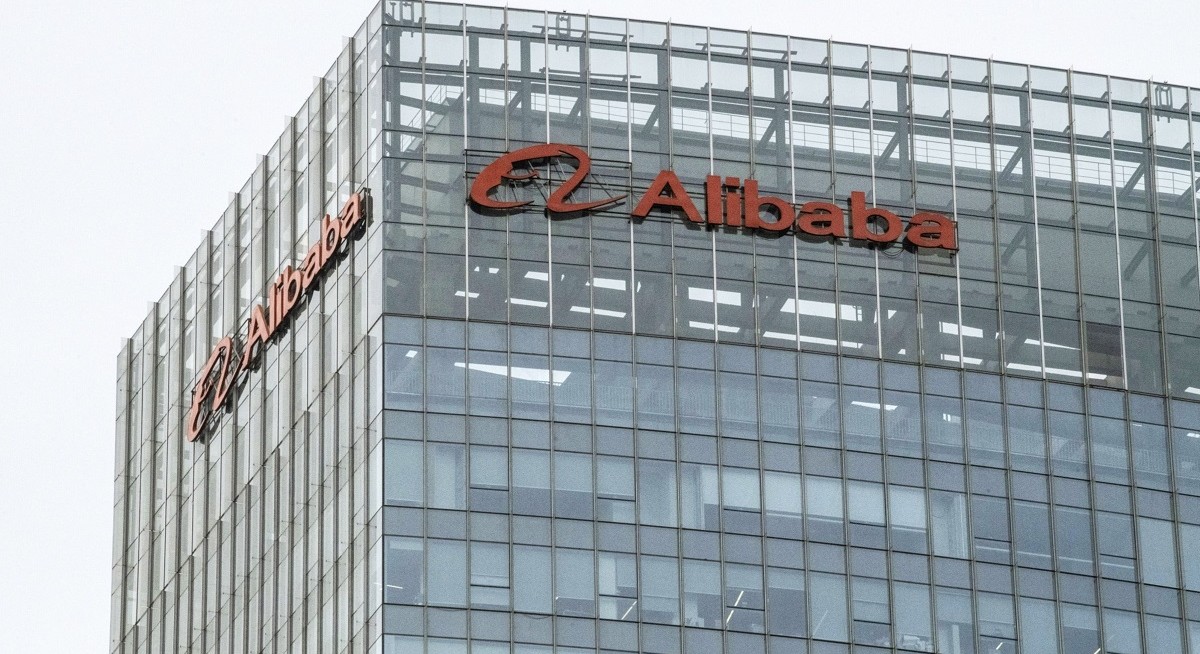
The decision by Alibaba Group Holding to change its listing status in Hong Kong to “primary” from “secondary” is a move similar to that taken by other companies in the Asian hub recently and might spur others to do the same. What are reasons for such a switch?
1. What is a primary listing?
It refers to the main stock exchange where a public company’s shares are traded. In order to list, a firm has to fulfill requirements of that market. Secondary listings, often subject to less-stringent regulation, offer a separate trading venue that may increase liquidity in trading of the shares and provide access to a wider pool of investors -- a key in the case of Hong Kong.


![[19/05/26] new top stories](/_next/image?url=https%3A%2F%2Fedgemarkets-transferred.s3-ap-southeast-1.amazonaws.com%2FPEO_KUNHEE_PARK_01_AC_2.jpg%3FTd3bG7fJqxPW3hMZRxhyfGgI25yRRD5v&w=640&q=75)




