





(March 31): Unilever plc agreed to combine its food business with spice maker McCormick & Co in a US$44.8 billion ($57.8 billion) deal that will create a global seasonings, sauces and condiments company.
Under the agreement, McCormick will pay the Anglo-Dutch company US$15.7 billion and the equivalent of US$29.1 billion McCormick shares for most of Unilever’s food business. That will leave Unilever and its shareholders with 65% of the combined entity, including McCormick brands like French’s mustard.
The deal is the biggest in the histories of both companies and will help recast Unilever as a global leader in beauty, personal and home care while turning McCormick into a bigger competitor in the global packaged food business.
The transaction will be carried out through a so-called Reverse Morris Trust, a type of merger that’s designed to be tax-free, and has been unanimously approved by the boards of both companies.
McCormick, which is worth US$14.4 billion, fell as much as 10% in early US trading. As of the last close, the stock has fallen 21% this year. Shares of Unilever, which has a market value of about £99 billion ($168.4 billion), were down nearly 5% in London trading at 2.49pm on Tuesday.
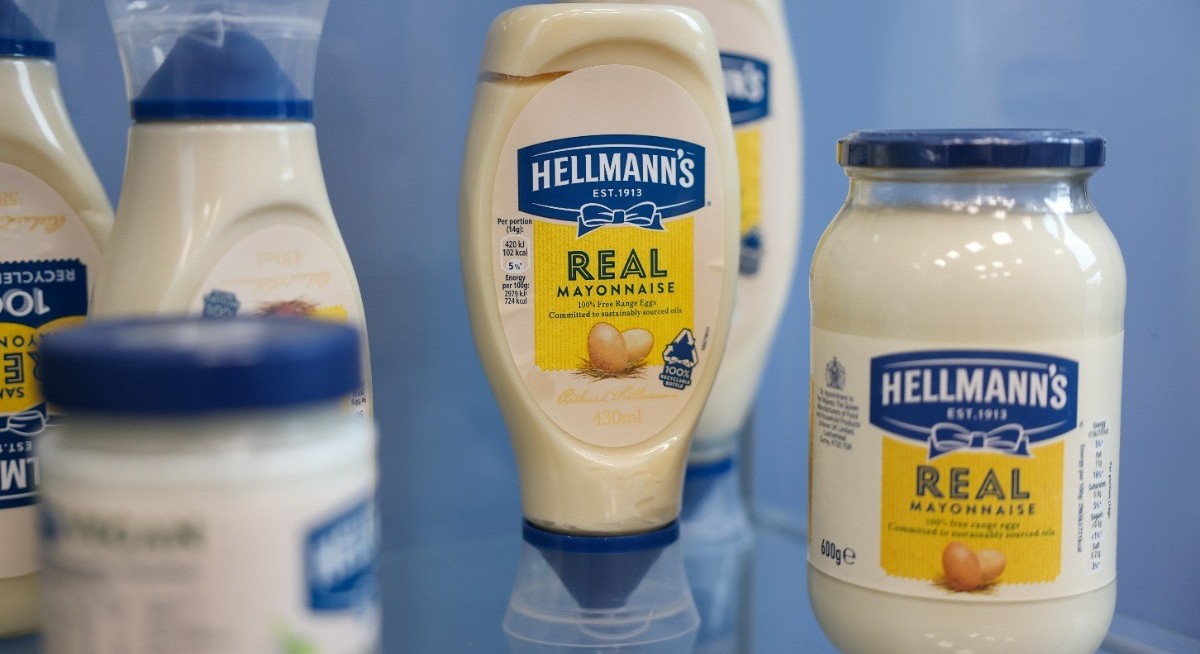
Unilever has been selling food for nearly 100 years. In addition to global brands like Hellmann’s, it owns smaller regional products like Maille Dijon mustard and Marmite spread.
See also: Western Union completes acquisition of Singtel’s Dash
The transaction is a highly ambitious move by McCormick, which is best known for its red and white spice containers. McCormick is a much smaller company whose entire business only generates half the sales of Unilever’s food arm.
However, the deal is underwhelming for James Edwardes Jones from RBC Capital Markets. “It’s true that it will leave Unilever as a pure-play home and personal care business, but this does not strike us as a smooth way of bringing it about,” he wrote in a note.
Big food
See also: AI boom, energy risks shape M&A, Morgan Stanley says
Big food businesses like Unilever have been struggling in recent years as less wealthy consumers pull back on spending or choose cheaper store brands. The popularity of GLP-1 weight-loss drugs also means users are eating less or choosing fresher food. Unilever chief executive officer Fernando Fernandez has made it clear that going forward he sees beauty, personal care and well-being — not food — as the keys to future growth.
The combined company will be called McCormick and will have revenue of about US$20 billion from a range of well-known brands across herbs, spices, seasonings, cooking aids, condiment and sauces. McCormick CEO Brendan Foley will remain in his position at the existing company headquarters in Hunt Valley, Maryland.
When the deal is completed Unilever will appoint four of 12 members of the board and will hold a 9.9% stake in the new food company. Shareholders of Unilever will hold 55.1%.
Unilever’s Fernandez said the move was another step in “sharpening” the company’s portfolio and will help turn it into a €39 billion ($57.9 billion) “pure-play” business focused on health, wellness, home and personal care. He added that it will sell down its stake in the new food company in an orderly manner.
The deal excludes Unilever’s operations in India, Nepal and Portugal, its lifestyle nutrition business as well as its Buavita juice and Lipton ready-to-drink arms.
The transaction for Unilever to create a new food company with McCormick has garnered mixed reactions. Some wrote earlier this month that the deal would improve procurement and manufacturing lines between the companies and allow Unilever to focus on its key growth areas.
Hot sauce demand
To stay ahead of Singapore and the region’s corporate and economic trends, click here for Latest Section
McCormick believes the deal will deepen its exposure to the fast-growing sauce and condiment markets through the tie up with Unilever. That sector is particularly popular among younger consumers, with McCormick previously noting that US-based shoppers in that demographic spending more on hot sauces than ketchup.
The company also gains Unilever’s two big brands Hellmann’s mayonnaise and Knorr stock, which make up about 70% of Unilever food sales. Knorr is a household name in more than 90 countries around the world and has more than 5 billion customers. Hellmann’s is sold in more than 65 countries.
McCormick, which earlier on Tuesday reaffirmed its full-year outlook, has been expanding through mergers and acquisitions for at least the last decade. It previously tried to buy Premier Foods plc the UK’s Premier Foods plc but failed to secure a deal. The company’s biggest push into condiments came about a decade ago when it bought Reckitt Benckiser Group plc’s food division for US$4.2 billion, its then largest deal which added French’s and Frank’s RedHot sauce to its portfolio.
Goldman Sachs Group Inc and Morgan Stanley are financial advisers to Unilever and Clifford Chance LLP and Wachtell Lipton Rosen & Katz are providing legal advice. Citigroup Inc and Rothschild & Co are working with McCormick with Cleary Gottlieb Steen & Hamilton LLP and Hogan Lovells as legal advisers.
Uploaded by Tham Yek Lee




