





(Feb 26): The drive up to Bloopy Durians’ orchard isn’t for ordinary cars. The narrow, rutted track snakes across the remote hills of central Malaysia, taking visitors through sticky heat and dense trees.
But the rough journey is as much the point as the destination. Some tourists, like Harliandy Salim from Indonesia, have made the trip several times. “We have durians in Indonesia too, but the taste is not the same,” said Salim, 43, who brought his family along in January to share the experience.
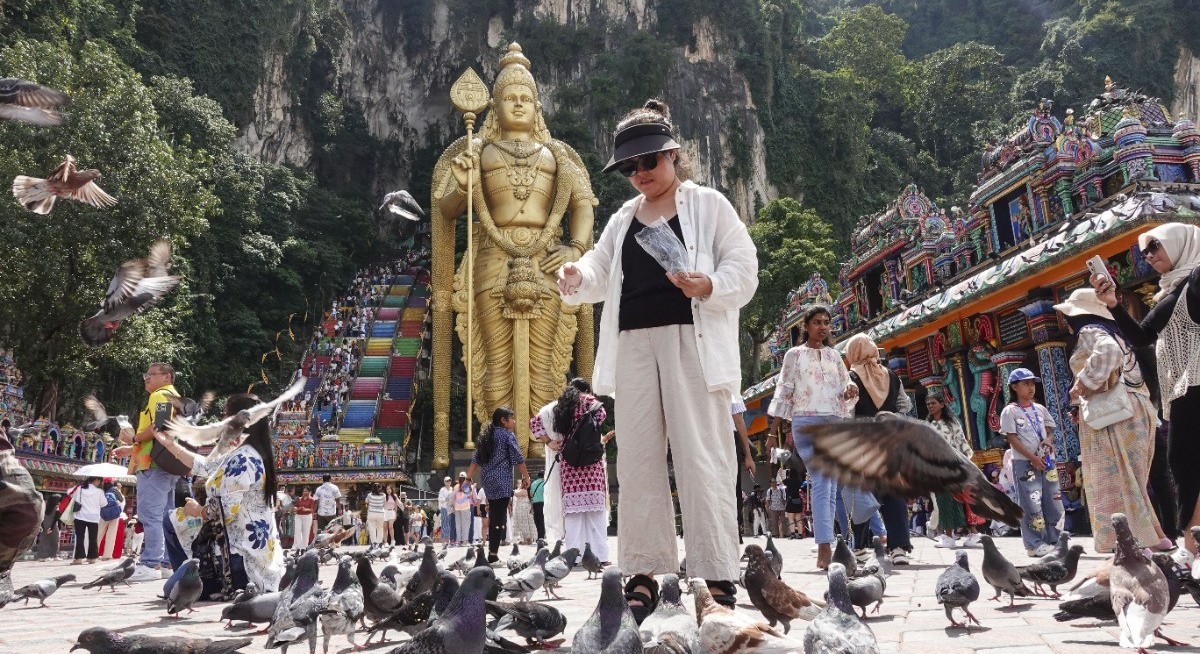
Malaysia is betting that adventures like this can underpin its push to attract more tourists, as authorities roll out the Visit Malaysia 2026 campaign. After a record-breaking year for arrivals in 2025, officials hope that food pilgrimages, farm stays and wildlife treks will lure visitors in even greater numbers.
The Southeast Asian nation has long been overshadowed by its regional neighbours including Thailand, with its vibrant nightlife and white-sand beaches, and Bali in Indonesia, a surfing and wellness paradise. Those places have built a distinct reputation, supported by a strong service culture geared towards international visitors.
But Malaysia is gradually gaining ground. Visa-free entry for Chinese and Indian nationals — two of Asia’s biggest outbound markets — as well as increased flight connectivity has supported arrivals. Lingering safety concerns about Thailand, triggered by a series of high-profile human trafficking, has also bolstered Malaysia’s appeal.
The country of 34 million people welcomed 42.2 million visitors last year. To keep that momentum going, Malaysia is sharpening its focus on more niche offerings as it looks to stand out in a region where competition for tourist dollars is intensifying. It is targeting 47 million visitors in 2026.
See also: Malaysia said to tap banks for first dollar bond sale since 2021 — Bloomberg
There’s a clear shift “from passive sightseeing toward more active, immersive and purpose-driven travel experiences”, said Mohd Amirul Rizal Abdul Rahim, the director general of Tourism Malaysia. That’s drawing tourists to lesser-known locations, he said.
Places like the Kinabatangan River in Sabah, where pygmy elephants and orangutans are often spotted, and Kudat, where stargazing has drawn younger travellers, are gaining traction, said Mohd Amirul. Growing demand for “live-like-a-local” experiences are also steering more people to rural areas where they can stay with indigenous communities and participate in local festivals.
As exports face a tougher global trade backdrop, tourism is becoming increasingly important to Malaysia’s economy. The sector already accounted for about 15.1% of gross domestic product in 2024 and employed 3.5 million people.
See also: Bursa Malaysia pushes for value creation
This year, the government has allocated over RM700 million for the industry, which Tourism Malaysia expects will generate RM329 billion in international receipts. Tourism receipts reached RM291 billion last year.
The expected lift in takings should be supported by efforts to attract higher-spending visitors from markets such as China, Singapore and Europe. More high-end offerings, including luxury resorts and plans for premium marina facilities in the southern state of Johor, may help capture these affluent travellers.
The durian, a fruit whose yellow, custard-like flesh can command high prices, is becoming an important niche, according to Tourism Malaysia’s Mohd Amirul.

The durian, a fruit whose yellow, custard-like flesh can command high prices, is becoming an important niche, according to Tourism Malaysia. (Photo by Shahrill Basri/The Edge)
When tourists fly in to the orchards, “they also go to the city centre and do some shopping”, said Bloopy Durians founder Stephen Loke as he pulled out a few US$20 notes from a customer who had arrived without any ringgit. On peak days, Loke hosts as many as 180 people who come to learn how durian trees are planted. Some spend the night — and of course, eat their fill.
But competition for the tourism dollar is heating up as other countries in the region look to boost flagging growth. In January, the Philippines waived visas for Chinese visitors in a bid to revive its faltering tourism industry. In Thailand, authorities are reported to be exploring a Disneyland theme park, while Vietnam, among the world’s fastest-growing destinations for tourists, has rolled out measures aimed at travellers from developed economies.
To stay ahead of Singapore and the region’s corporate and economic trends, click here for Latest Section
Although Malaysia has “all the ingredients” for an amazing destination, Visit Malaysia 2026 targets will be difficult to achieve, said Hannah Pearson, the director of Southeast Asian tourism consultancy Pear Anderson. While the nation’s 42.2 million visitors put it ahead of Southeast Asian peers, official data showed that excursionists — people who may just hop across the border from Singapore, for example — make up almost 40% of total arrivals. By comparison, regional titan Thailand recorded 33 million tourists last year. Vietnam and Indonesia welcomed 21.2 million and around 15 million respectively, including same-day visitors.
Gaps in infrastructure remain a hurdle for Malaysia, particularly outside major cities. Analysts have also cautioned that some easier gains may be over. “The low-hanging fruit of visa liberalisation has already been reaped in 2024 and 2025,” Nomura Holdings Inc analysts, including Tushar Mohata, wrote in a December note. Achieving a further material jump in 2026 would require significant marketing efforts, they said.
Currency strength may also pose a headwind. The ringgit has risen about 18% against the dollar since the start of 2024, outperforming its Asian peers.
Regardless, there’s optimism Tourism Malaysia’s initiatives can deliver resilient growth. The agency said arrivals were significant during the recent Lunar New Year holidays, with more than 8,000 visitors within an early two-hour window on the first day of the festive period.
“In previous Visit Malaysia years, international tourist arrivals have jumped 20%,” said KL Tan, an industry veteran who customises premium tours in Sabah. Growing demand for experiential visits has helped quadruple his revenue in the past year and Tan is upbeat about a better performance in 2026. There is nothing wrong in aiming high, he said.
Uploaded by Tham Yek Lee




