



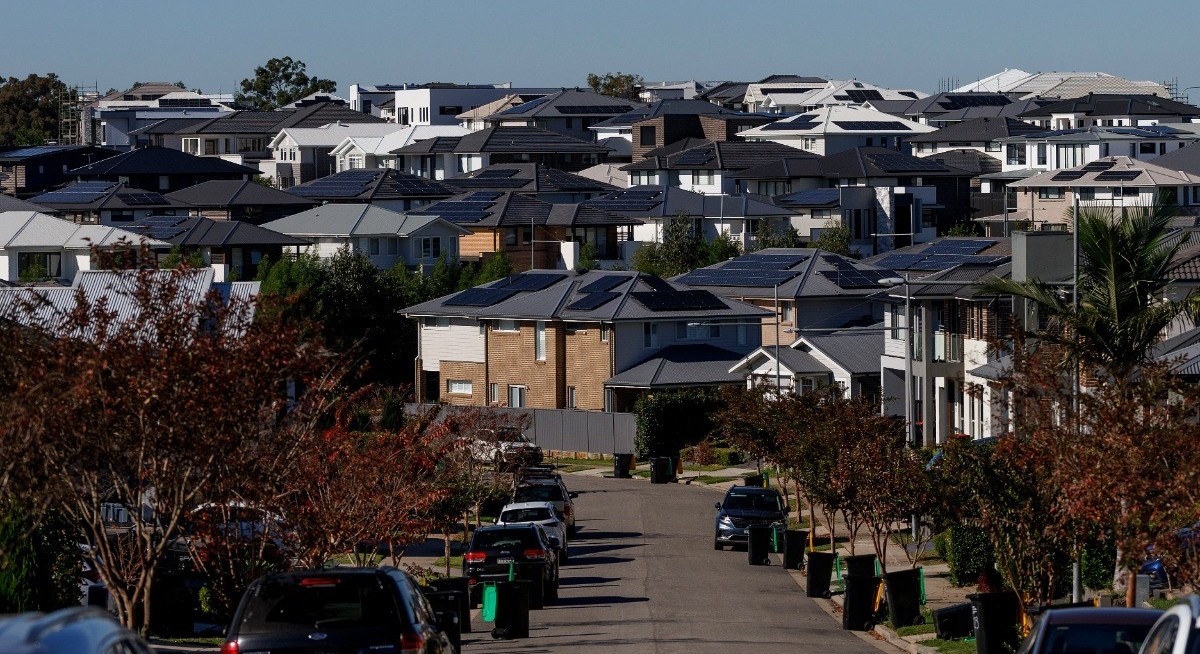



(July 1): Sydney’s home-price declines accelerated in June, dragging down national values by the most in 3½ years, reflecting a combination of affordability and cost-of-living pressures as well as higher interest rates.
The national home value index slipped 0.4% from the prior month, the biggest drop since December 2022, data from property consultancy Cotality showed Wednesday. Sydney tumbled 1.2%, Melbourne by 1% and Adelaide flatlined, while Perth and Darwin bucked the trend, advancing 0.7% and 1.4%, respectively.
Even after the declines, the median value of a Sydney home is A$1.3 million (US$900,000 or $1.16 billion), underscoring affordability struggles for buyers in the city. That was exacerbated by the Reserve Bank raising interest rates at its first three meetings of the year, reducing a potential buyer’s borrowing power.
“Even before interest rates rose by 75 basis points, we were seeing affordability hurdles weighing on buyer demand,” said Tim Lawless, Cotality’s research director. “Higher cost of living pressures, deeply pessimistic sentiment and a further dampening of demand via property taxation changes” are contributing to weaker conditions.
Australia’s Labor government last week passed laws to limit the availability of tax breaks for investors in existing housing stock and to raise capital gains taxes. It aims to reduce incentives for investors to pour into the market, behaviour which had often come at the expense of first-time buyers.

See also: Cushman & Wakefield brokers $467 mil sale of White Sands mall by Frasers Centrepoint Trust
Since the turn of the century, Australia’s property market has largely been a one-way bet, which was amplified by years of low borrowing costs. Housing has also been at the heart of rising inter-generational angst in the country: the median price of a home was almost A$1 million in June, up 74% from a decade earlier.
Reinforcing the squeeze on young people, rents in major cities have risen by almost 42%, or A$217 a week, over the past five years. Sydney continues to be the most expensive, with a median of A$883 a week for houses and A$783 a week for apartments.
If the current home-price declines are sustained, it will improve the prospects for young Australians to enter the market. The government says it hopes measures like these will blunt the appeal of the far-right One Nation political party.
See also: HDB launches EC site at Admiralty Walk for public tender
“The great news is that this Saturday, like last Saturday, first home buyers would have rocked up to auctions and not be competing with investors who want to negatively gear their properties and have taxpayers backing in those investments,” Prime Minister Anthony Albanese said in an interview with Australian Broadcasting Corp television on Wednesday.
“What we’re seeing increasingly is stories right around the country of people who had almost given up on owning their first home, getting access to a roof over their own head.”
But price declines will also cut into the paper wealth of existing homeowners, which could erode their willingness to spend and weaken activity.
The RBA, in minutes of its meeting last month, highlighted the “risks associated with a potentially material weakening in housing markets, including if this were to inhibit growth in consumption”.
Cotality’s data shows home prices peaked in March after it revised down previous months’ results to take account of the reversal in the market.
This “reflects a market that is changing rapidly”, Lawless said. “Most regions have seen values revise lower over recent months, with the largest downgrades occurring in Perth and Brisbane.”
Uploaded by Chng Shear Lane




