



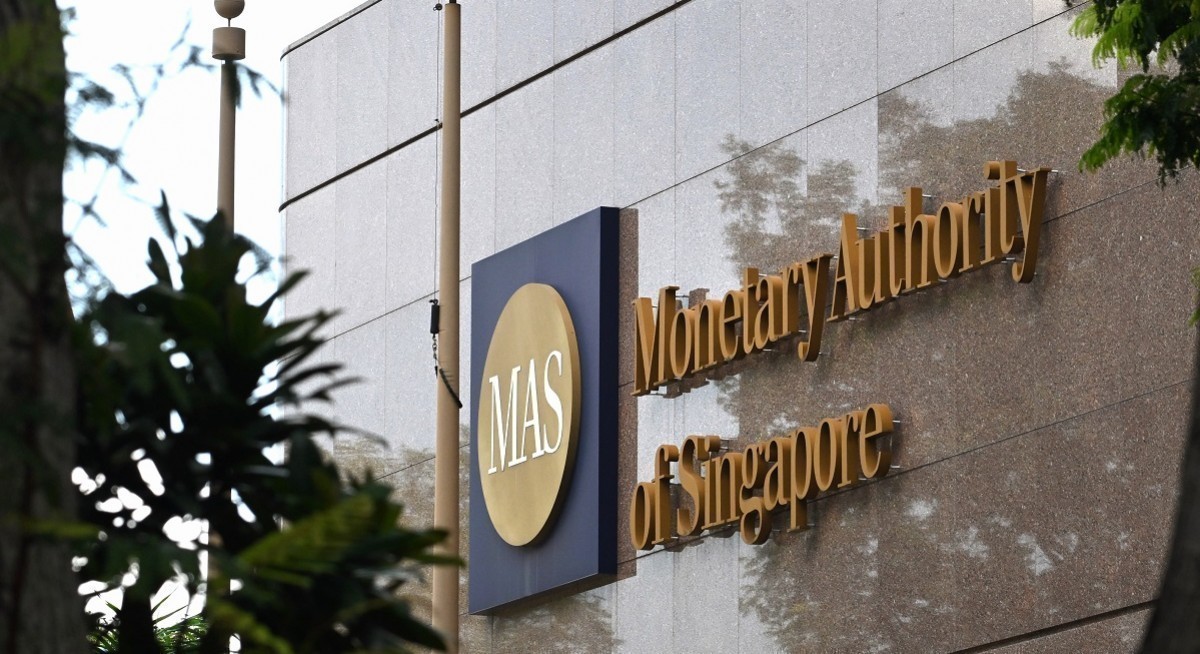



The MAS, which holds four policy reviews per year, had loosened settings in January and April to help support growth. Unlike most central banks, which use interest rates, Singapore seeks to maintain medium-term price stability by managing its dollar’s trade-weighted appreciation within a target band.
Singapore’s central bank is expected to leave monetary policy unchanged this week as it weighs subdued inflation and the lingering threat of US trade measures against a resilient domestic growth outlook.
Sixteen out of 20 economists in a Bloomberg survey forecast the Monetary Authority of Singapore — which uses foreign exchange rather than interest rates — will maintain its settings Tuesday. Four respondents, including DBS Group Holdings and TD Securities, expect it to resume easing after leaving policy unchanged at its last review in July.




