






Retail investors may soon find that some of the shares sitting untouched in their brokerage accounts are worth more to the market than they realised.
Securities lending is a long-standing part of institutional finance in which shares are temporarily loaned to banks, broker-dealers and other market participants for a fee. Pension funds, ETF managers and asset managers have used this approach for decades to earn extra income from portfolios that would otherwise sit idle.
OCBC Securities is now opening that market to eligible retail investors through a programme built with Citi. The arrangement allows account holders to lend selected shares to institutional borrowers while retaining the economic benefits of ownership.
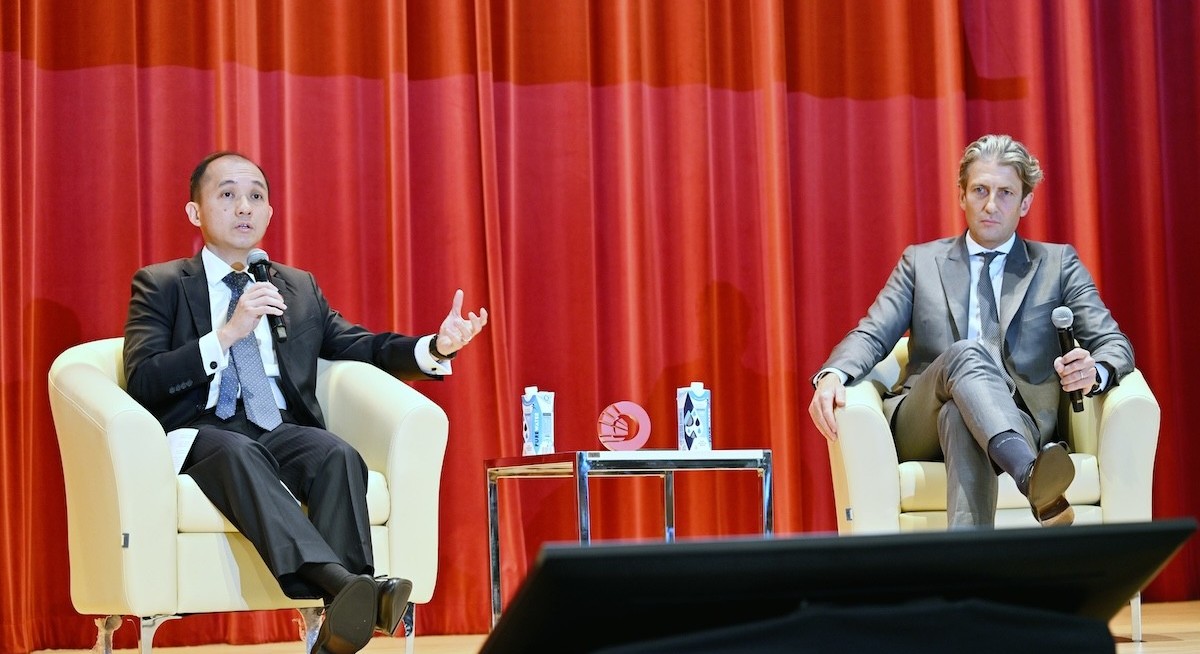
Many retail investors may already have had indirect exposure to securities lending through funds. “More than likely, you’ve actually been involved in securities lending already, without knowing it. Your ETF manager, your mutual fund manager, your pension fund manager has probably enrolled those same assets into the market,” says Jansen Chua, head of securities finance at OCBC.
Short-selling is the best-known reason investors borrow shares but it is only one part of the market, says Eusebio Teofilo-Sanchez, Citi’s head of securities finance for Asia Pacific. Borrowed securities are also used for arbitrage, trading around corporate events and meeting collateral obligations.
Chua points to the growth of ETFs as another source of demand. When authorised participants create or redeem ETF units, they may need to deliver the underlying basket of securities. If some shares are not immediately available, they may borrow them temporarily to complete delivery.
See also: More Singapore residents target more than $1 mil and retirement in their 40s: CIMB-NTU study
What follows is a market where availability can matter more than size. Teofilo-Sanchez cites Tesla and Beyond Meat as examples. “For a significantly smaller value stock compared to Tesla, Beyond Meat generated almost three times as much lending income in 2025. This gives you an idea of the opportunities that could potentially be amplified for individual investors,” he says. This matters for retail investors because their portfolios may include stocks that are not widely held by large institutions. Those counters can sometimes command higher lending fees when supply is limited.
Once shares are lent out, the main concern is control. Investors still need to know whether they can sell, whether dividends and corporate actions still flow through, and what happens if the borrower fails.
Chua says the first protection is that investors can recall shares that have been lent. If a sale is placed, the lender can substitute the position with another client holding the same counter, so the transaction is not blocked. Dividends and corporate actions are passed back through what the industry calls manufactured payments, leaving the investor with the same economic entitlement.
See also: Global fragmentation drives flows to Asean
The bigger concern is borrower default. For OCBC customers using the programme, Citi provides the backstop. “Every time we lend a security, we take collateral back. If the borrower goes under, Citi will buy the shares back that we lend to make sure that we can return them to our clients,” says Chua.
The same partnership also gives OCBC access to a wider pool of borrowers. OCBC formalised the arrangement with Citi in January, using Citi’s Securities Lending Access platform to connect retail and private banking customers to institutional borrowers. The share lending programme is available on the iOCBC mobile app, where account holders can enrol and track lending activity and fee income.
Once enrolled, the programme runs in the background, lending eligible shares when borrower demand exists and depositing fees automatically. “[Share lending is] a very simple way for customers to create some sticky long-term income without doing very much at all,” Chua says.




