



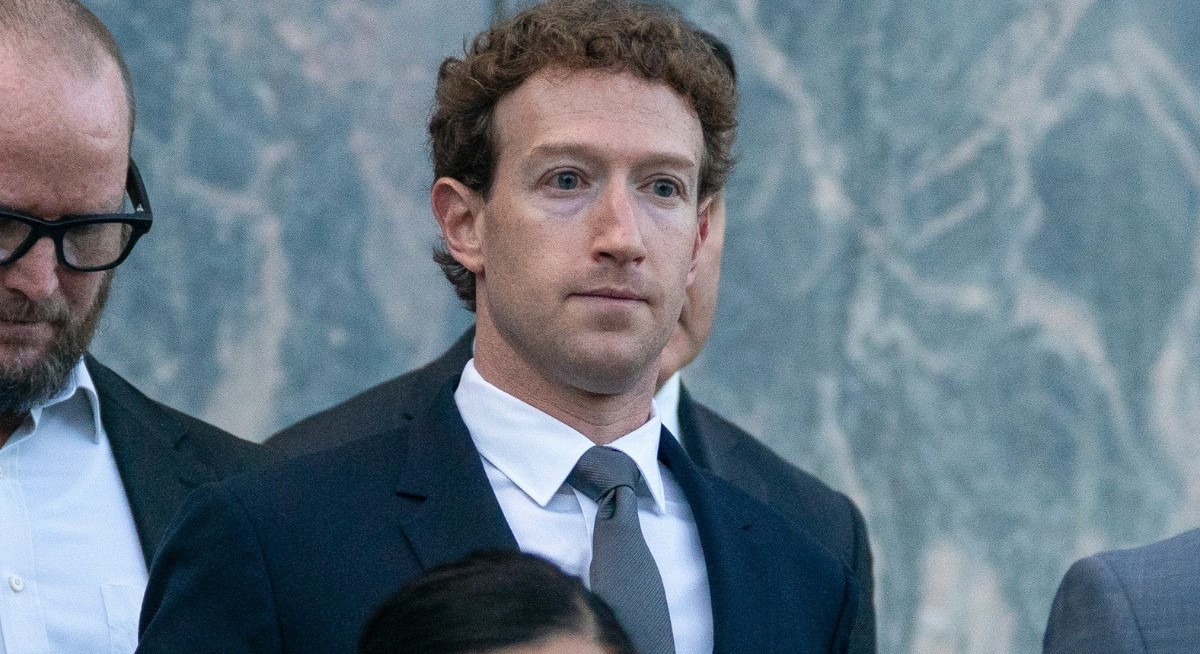


(March 30): Meta Platforms Inc was looking like the best Big Tech stock in the market when the year began. But investors’ fears of legal risks and heavy spending on artificial intelligence (AI) are bubbling to the surface, culminating in last week’s 11% rout.
Shares of the Facebook and Instagram parent are down 18% this month, putting them on pace for their worst performance since October 2022. That was when Meta gave a disappointing revenue outlook, and chief executive officer Mark Zuckerberg pleaded with investors to stay patient with the company’s ballooning spending on the metaverse.
Today, Meta is de-emphasising the metaverse to focus on AI. But the concerns about runaway spending have only grown. And there is a rising existential risk surrounding the company after a jury in New Mexico found that Meta misled teenagers in the state about the safety of its social networks, and Meta and Alphabet Inc were found liable in a trial related to social media addiction. The stock has lost US$310 billion ($400.3 billion) in market capitalisation in March alone.
Wall Street is now grappling with the possibility that social media companies could face a similar risk to the shrinking of the tobacco industry following stronger smoking regulations, though many say it is too early to tell.
“I don’t necessarily see this as the same as tobacco, but stranger things have happened,” said Tim Ghriskey, s senior portfolio strategist at Ingalls & Snyder, which has about US$11 billion in assets and owns Meta shares. He started his analyst career covering tobacco and spent a lot of time gaming out litigation risks.

See also: Indonesia bans social media for kids, first in Southeast Asia
“Some would say the only way to remove any negative impact of social media is if you shut the whole thing down,” Ghriskey said. “Obviously that would just devastate the company.”
The tobacco comparison is “the persistent question we have gotten from investors” in the wake of the verdict, Mark Mahaney, an analyst at Evercore ISI, wrote in a note to clients on March 26. “Is this Meta’s Big Tobacco moment? In other words, is Meta uninvestible today? It’s possible, but we think unlikely.”
Investors, however, appear less sure. The stock plunged in the wake of the rulings, falling to its worst week since October. Meta shares are down 32% from their all-time high and dramatically lagging the Nasdaq 100 Index this year. The stock rose 1.8% on Monday.
See also: SoftBank secures record US$40 bil bridge loan for OpenAI stake
That’s a sharp reversal from January, when the shares gained 8.5% in a month and were among the 25 best performers in the tech-heavy benchmark. At the time, a robust sales forecast was considered a sign the company’s aggressive AI-related capital expenditures were paying off. Meta’s revenue is expected to grow about 25% this year, up from last year’s 22% pace.
However, a look at Meta’s free cash flow shows why investors are souring on exorbitant AI spending. Even with its revenues rising fast, free cash flow is expected to shrink 83% this year to less than US$8 billion from US$46 billion in 2025. Meanwhile, its capital expenditure is projected to soar 77% to US$123.5 billion this year and above US$140 billion in 2027. The company is cutting several hundred jobs amid the AI spending.
With several other social media cases scheduled to go to trial in Californian state court this year, legal issues are expected to remain an overhang on shares for some time. Unless Meta and Alphabet are confident that the Supreme Court will step in and protect them, the rulings “could lead Meta and Google to redesign their services for teens and explore financial settlements with other plaintiffs”, TD Cowen analyst Paul Gallant wrote in a note to clients last Thursday.

Meta is far more exposed to the risk than Alphabet, whose YouTube business is the primary focus. Nearly all of Meta’s revenue comes from advertising at its “Family of Apps” business. But Wall Street remains widely bullish on the stock. Of the 80 analysts covering Meta that are tracked by Bloomberg, 72 rate it a 'buy' and only one has a 'sell' rating. And based on the average price target, the shares are expected to rise 61% over the next 12 months, the strongest implied return since 2022.
In fact, analysts have gotten more bullish on Meta’s long-term prospects this quarter. Consensus estimates for the company’s 2027 earnings are up 2.4% over the last three months, while the view for revenue is up 6.4% over the same period.
The combination of upward revisions and a sinking share price have made Meta the cheapest stock in the Magnificent Seven. Its shares trade around 16 times estimated earnings over the next 12 months, their lowest valuation since March 2023.
To stay ahead of Singapore and the region’s corporate and economic trends, click here for Latest Section
That relatively cheap price more than offsets the rest of the issues weighing on the stock price, according to Phil DeAngelo, who helps oversee US$2.3 billion in assets as a managing director at Focused Wealth Management, which owns Meta shares.
“So far the penalties have been small, and it can adopt new parameters to diminish the issues behind the suits, so I don’t see this as a tobacco-like overhang,” he said. “At the same time, Meta has gotten extremely attractive, and the acceleration in revenue shows that even though the level of spending is huge, it knows how to monetise the investments.”
Uploaded by Tham Yek Lee




