



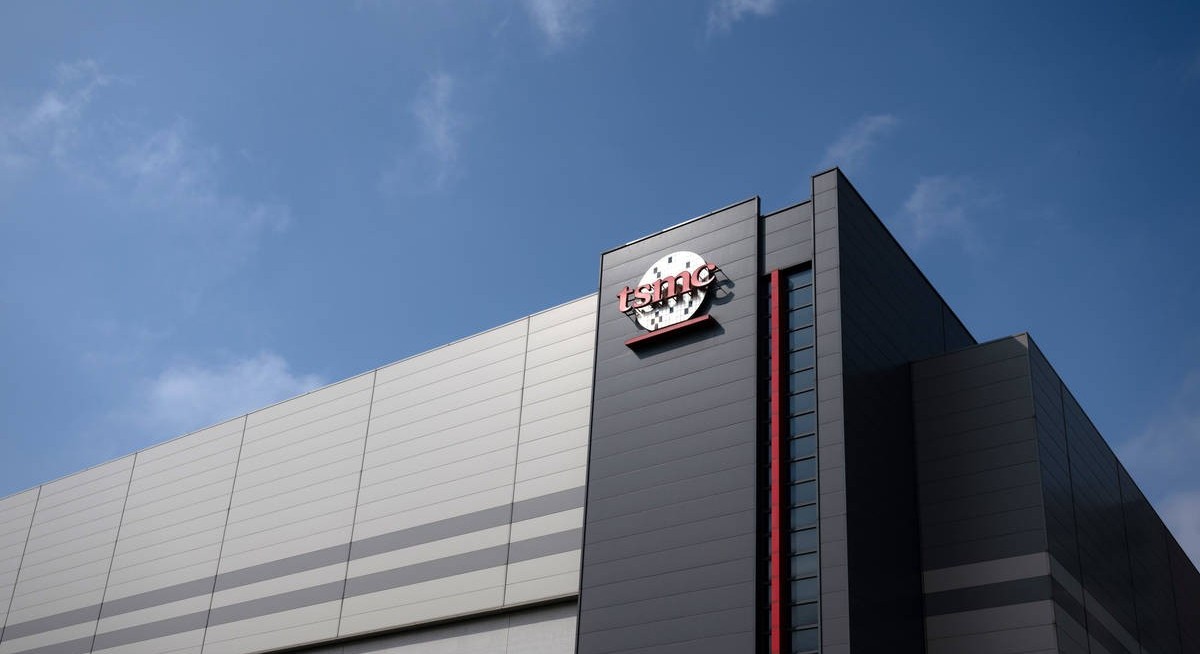



(July 16): Taiwan Semiconductor Manufacturing Co (TSMC) raised its spending and revenue projections for the year, reflecting its confidence that torrid growth in demand for chips and data centres will extend into 2027 and beyond.
The main chipmaker for Nvidia Corp now expects capital expenditure of US$60 billion ($77 billion) to US$64 billion in 2026, at least US$4 billion higher than previously forecast. It’s projecting revenue growth of slightly above 40%, significantly higher than the 30%-plus it had predicted. Still, its American depository receipts slid about 3% in pre-market trading, reflecting the heightened expectations that have lifted the artificial intelligence (AI) industry lynchpin almost 40% this year in the US.
Investors globally are grappling with whether tech stocks have grown too richly valued, given concerns around data centre over-building and uncertainty over when trillions of dollars in spending will deliver lucrative returns. The four biggest US AI operators including Meta Platforms Inc and Alphabet Inc are expected to spend upwards of US$725 billion this year alone.
That build-out has helped propel tech stocks to record levels, including TSMC — a bellwether of the fast-growing sphere because it produces the vast majority of the world’s most advanced chips. TSMC affirmed on Thursday it will likely ramp up spending even further over the course of the next three years. That accelerating pace reflects expectations that Big Tech firms will continue to gobble up the chips and hardware they need to build data centres.
“Our conviction in the AI megatrend is very strong,” chief financial officer Wendell Huang told analysts on a post-earnings call. “The capex in the next three years will be even more, significantly higher than in the past three years.”
Shares in key supplier ASML Holding NV rose as much as 3.4% in Europe before paring those gains, after a roughly 70% rally from the start of the year. Shares in Tokyo Electron Ltd, another of TSMC’s biggest suppliers, recouped some losses but closed down more than 4%.
See also: Baidu to upgrade Hong Kong listing status to attract capital

TSMC’s confidence echoes the views of many of the firms that underpin a historic AI roll-out. SK Hynix Inc now sees memory-chip shortages persisting beyond 2030, as the spending spree by data centre operators stokes appetite for both conventional memory and the high-bandwidth or HBM chips that work with AI systems.
TSMC, which also makes chips for Apple Inc. iPhones, reported a faster-than-anticipated 77.4% rise in quarterly net income. Some of its increased spending is likely to go towards Arizona, where the Taiwanese company has now budgeted US$265 billion for capacity expansion. TSMC on Thursday formalised a pledge that’s part of a larger deal between Washington and Taipei to bring more advanced semiconductor manufacturing to American soil.
See also: Netflix faces earnings risk after stock’s US$260 bil wipeout
A bigger Arizona facility should go a long way towards serving its core American client base. Chief executive officer CC Wei warned in June that his company won’t be able to fulfil demand led by US customers for years, even as more manufacturing capacity comes online in that country.
Still, concerns from investors persist as the biggest data centre operators continue to borrow and raise capital to bankroll their construction. A significant proportion of their AI spending is now backed by ballooning borrowing. While AI adoption is soaring around the world, companies and investors still struggle with uncertainty around profit-making and ways to generate lucrative returns from all that outsized investment.
TSMC’s US shares “are trading lower given the typical ‘sell on fact’ profit taking”, Goldman Sachs’ sales and trading desk wrote in a client note.
The durability of the AI rally remains in focus as the earnings season tests chip-sector valuations after a blistering advance this year. Semiconductor stocks fell across Asia on Thursday, dragging regional equities lower, as investors grew more sceptical that the artificial intelligence-driven rally can withstand lofty valuations.
“While overseas fab ramps and N2 expansion will temporarily weigh on gross margin, these investments are essential to support long-term growth,” Counterpoint Research senior analyst William Li wrote. “TSMC also reaffirmed its capacity expansion plans across Taiwan, Arizona, and Japan, including both advanced and mature node capacity, to address the surging demand coming in the next few years.”
Uploaded by Tham Yek Lee




