



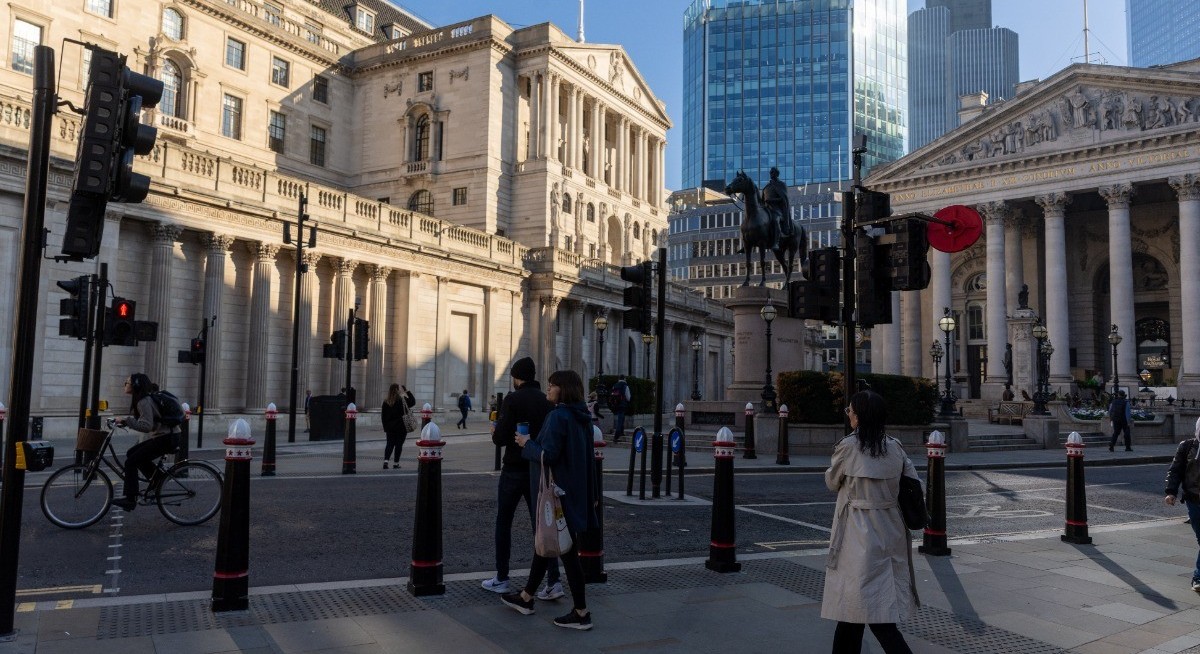



(June 19): The Bank of England announced a series of tweaks to its implementation of controversial new rules on bank trading capital but kept its 2028 deadline for the measures to take effect despite delays in rival jurisdictions.
The central bank said in a statement on Friday that it will consult on making targeted changes to “support international alignment and proportionality” of its rules with those in other markets. The changes affect banks using internal models to calculate their trading capital — a group expected to include the largest and most sophisticated players.
The package, known as the Fundamental Review of the Trading Book, increases the capital requirements for some market activities by constraining banks’ use of models to reduce risk charges.
“We have allowed some extra time to implement this last set of rules in order to be able to take account of how they are being implemented elsewhere — today’s proposals do that, while ensuring that trading activities by banks in the UK are appropriately capitalised,” said Sam Woods, the deputy governor for prudential regulation and chief executive officer of the Prudential Regulation Authority.
The statement stressed that the UK would stick to its previously announced deadline of Jan 1, 2028 for the rules adoption. That is around 10 years after they were first agreed as part of the final suite of post-crisis reforms from the Basel Committee on Banking Supervision. Since then, global policymakers’ focus has switched from curbing risk to cutting red tape.
The US has still not finalised its plans for the overall Basel package or announced a timeline. The European Union recently agreed measures to mitigate the impact of the new trading rules until at least 2030, and indicated openness to a broader review in leaked proposals to boost the competitiveness of Europe’s banking industry.
See also: PMI shows UK economy shrinking for second straight month
The UK has repeatedly tweaked its plans to ensure its banks would not be at a disadvantage to global rivals, first deferring the entire package from July 2025 to January 2026, and then extending it to January 2027. The most recent change gave an extra year for banks using advanced models, where charges will rise most under the new regime.
Uploaded by Tham Yek Lee




