



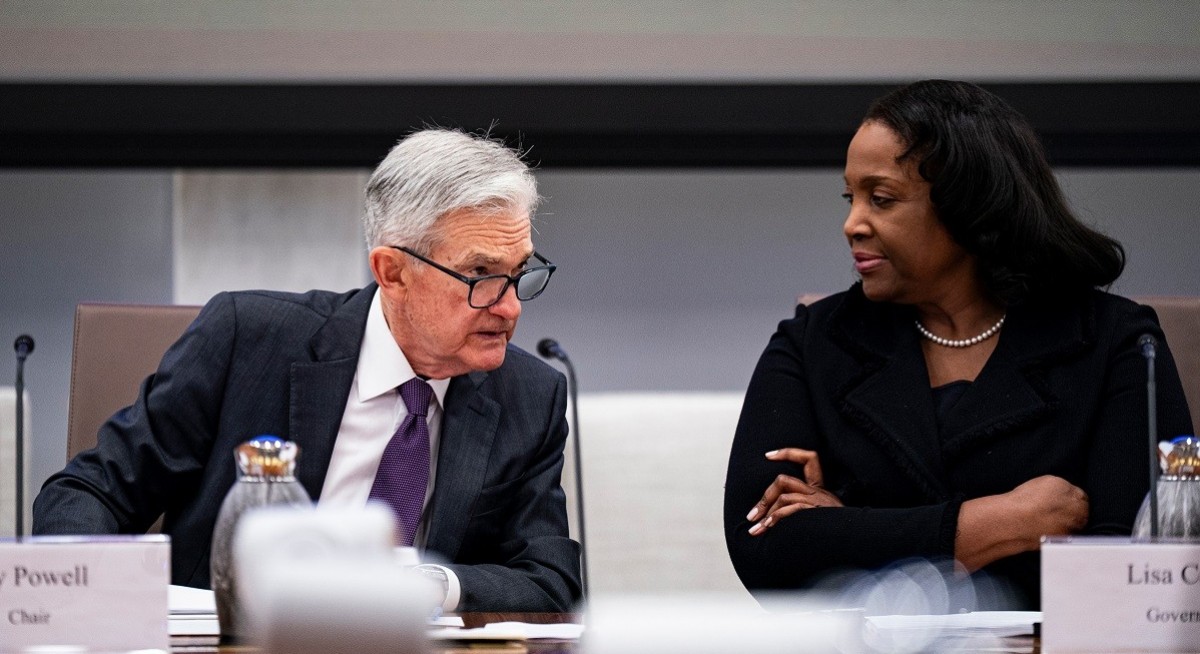



“There’s not been some of this political and economic blowback that I think a lot were expecting,” says Graham Steele, a fellow at Stanford Law School and a former Treasury official in the Biden administration. “If you’re a politician looking at this, and you think the long-term ends justify the means of tinkering with the Fed,” he says, “you might think that it’s worth it.”
As the Federal Reserve fights for its independence in the face of a mounting assault from Donald Trump, it’s not been getting much help — at least until this week.
The Supreme Court bailed out the US central bank by allowing Governor Lisa Cook to keep her job — for now. Trump’s bid to fire her is the highest-stakes test so far of the Fed’s autonomy. And Wednesday’s order only represents a stopgap victory: The court will return to the case in a January hearing.
If the Fed needs a last line of defence, it’s because Trump’s pressure campaign has encountered only limited pushback in Congress and financial markets. That has emboldened the president to test traditional guardrails around the Fed — widely seen as protections for the whole US economy, not just the central bank — without incurring any meaningful costs.




