



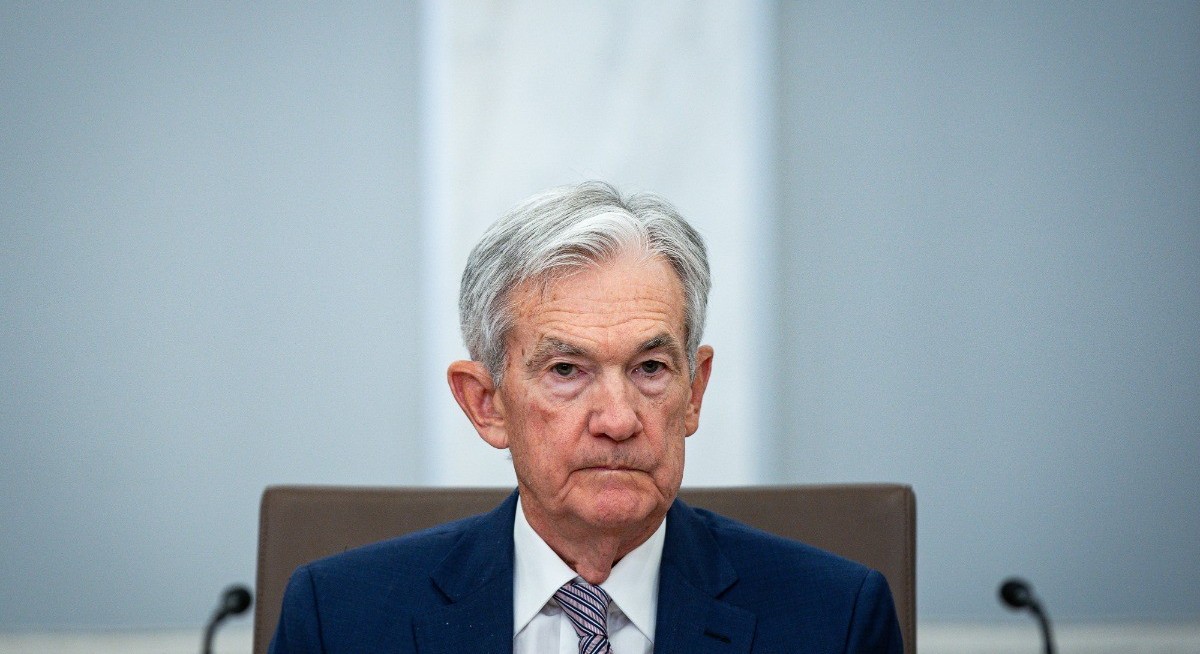


(March 31): Federal Reserve chair Jerome Powell said longer-term inflation expectations appear to be in check but that the central bank is carefully monitoring them as it assesses the effect from the US and Israel’s war against Iran.
Inflation expectations seem to be “well-anchored beyond the short term”, Powell said on Monday during an event at Harvard University in Cambridge, Massachusetts. He added that officials may need to respond to the impact from the conflict, but that it’s not the case yet.
“We don’t know what the economic effects will be,” he said. “The tendency is to look through any kind of a supply shock but a critical essential aspect of that is you have to carefully monitor inflation expectations.”
The Fed chair also said that policymakers are mindful that inflation is yet to return to their 2% target since the Covid-19 era.
Oil prices have jumped significantly since the war started a month ago, which could stoke inflationary pressures while also weighing on consumer demand and economic growth. Such a scenario would pose challenges for the Fed’s policymaking, since the central bank aims to foster both maximum employment and stable inflation.
There’s tension currently between those two goals, Powell said.
See also: Economists see war pushing US inflation above 3%, hurting growth
“There’s sort of downside risk to the labour market, which suggests keep rates low, but there’s upside risk to inflation, which suggests maybe don’t keep rates low,” he said.
Private credit
Asked about the turmoil in the private-credit market, Powell said “we’re watching it super carefully” and that a correction is happening.
See also: Fed’s Cook says inflation is more at risk than jobs due to war
“I’m reluctant to say anything that suggests that we’re dismissive of the risk, but we’re looking for connections to the banking system and things that might you know, result in contagion.” he said. “We don’t see those right now.”
Uploaded by Felyx Teoh




