



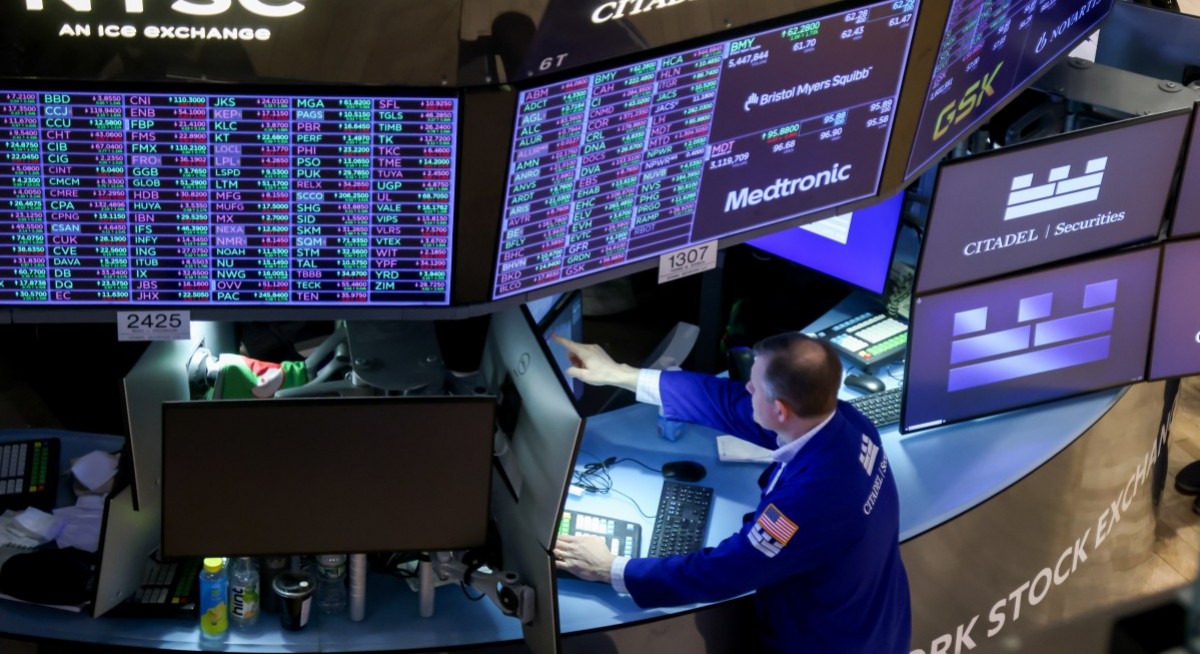


(March 27): Scepticism that the US and Iran will reach a ceasefire any time soon pushed oil higher while sending stocks and bonds down, extending a month of volatile trading since the war began.
After briefly trimming losses when Iran reiterated its terms for a deal, the S&P 500 fell 1.7% as US President Donald Trump said he wouldn’t commit to an agreement. The equity gauge hit its lowest since September. Brent settled around US$108. Higher energy prices stoked fears about inflation, deepening a decline in Treasuries, which also dropped amid a lacklustre US sale of notes.
As the war grinds on, each side has kept up attacks even amid renewed efforts to jawbone the other into a resolution.
Trump threatened Iran with intensified military action after Tehran rejected Washington’s push for a peace deal, with the two sides far apart in efforts to end the war. Until Iran agrees to stop the conflict, the US will “keep blowing them away”, the American president said.
Iran responded to a ceasefire proposal through intermediaries overnight, the semi-official Tasnim news agency reported, and is now awaiting a reply. Tehran has a string of conditions for ending the conflict, one of which is a guarantee that the US and Israel won’t resume their attacks.
Trump had set a deadline for Iran to negotiate an agreement to end the war by the end of the week, though the ongoing impasse has raised questions about the likelihood for a deal in that timeframe.
See also: US stocks curb losses on reports Iran responded to US proposal
“The progress being made in the talks between the US and Iran seems to be sketchy at best,” said Matt Maley at Miller Tabak.
The US and Israel began a bombing campaign in Iran almost a month ago, leading Tehran to effectively close the Strait of Hormuz, snarling the flow of oil and roiling markets. Trump noted that Tehran has allowed 10 oil tankers to sail through the vital waterway.
Treasury Secretary Scott Bessent said a US insurance programme meant to boost shipping through the Strait will begin soon, a move that may help revive flows of much of the world’s oil and gas supplies.
See also: US stocks rise, oil falls as truce prospects weighed
Brent, the global crude benchmark is on pace for a monthly gain of almost 50% as the conflict engulfs the energy-rich Middle East and sends shockwaves through the global economy. The near-total closure of Hormuz has meant millions of barrels of lost daily oil output, while supercharging product prices from diesel to jet fuel.
“The war in Iran and the resulting surge in oil prices continue to dampen risk appetite,” said Adam Turnquist at LPL Financial. “Any sustainable market recovery will require meaningful progress towards a peace agreement and a reopening of the Strait of Hormuz.”
Uploaded by Isabelle Francis




