



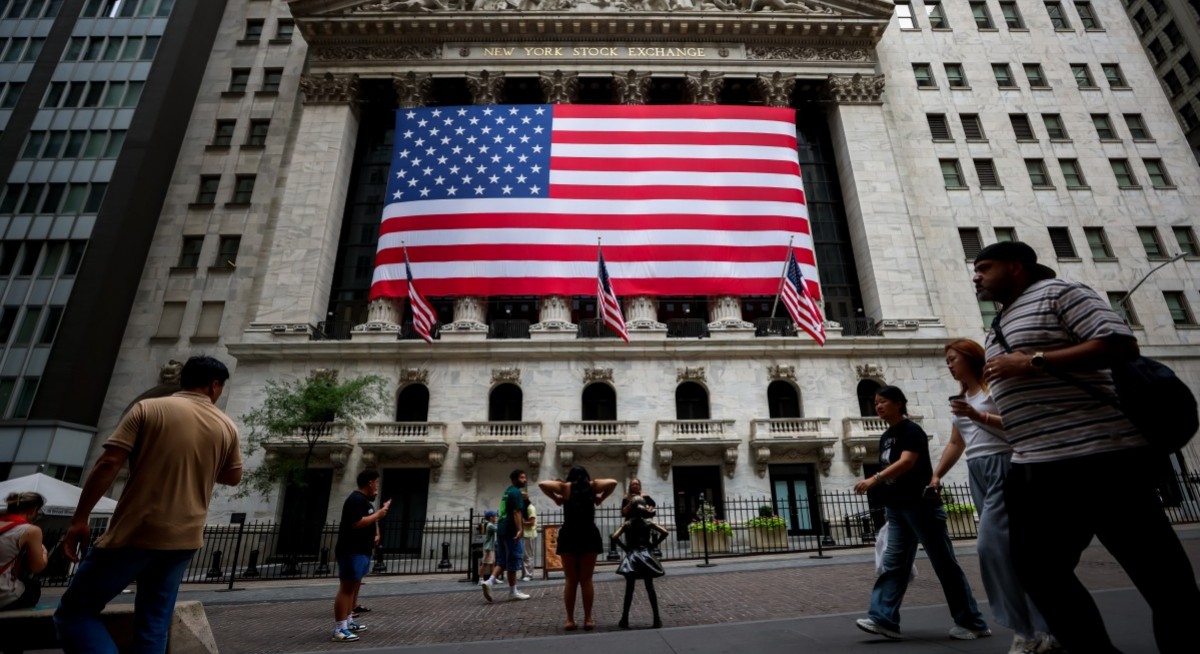


(April 9): A wave of optimism swept through global financial markets, boosting stocks and cryptocurrencies while spurring a selloff in oil after the US and Iran reached a ceasefire deal.
The rebound in risk appetite drove the S&P 500 up 2.5%. US crude settled below US$95 ($121.13), easing concern about an energy crisis and reviving bets the Federal Reserve will cut rates in 2026. Treasuries wavered. As the haven bid waned, the dollar erased its advance for the year. Bitcoin topped US$71,000.
Wall Street’s so-called fear gauge — the VIX — sank to pre-war levels. Airlines, which had been pummeled by worries about skyrocketing fuel prices, soared. Emerging-market shares jumped the most since the onset of the pandemic.
Just about 90 minutes before President Donald Trump’s deadline for Iran to agree to a ceasefire and reopen the Strait of Hormuz, a two-week truce was announced. While there have been reports of ongoing regional hostilities, the accord helped ease fears about a global economic crisis.
“The reaction was classic macro playbook,” said Fawad Razaqzada at Forex.com. “Risk assets caught a bid, crude tumbled, and the dollar gave back a chunk of its safe-haven premium.”
US Vice President JD Vance will lead a delegation to Pakistan later this week to hold talks on a lasting peace agreement with Iran, the White House announced.
See also: US stocks rally on ceasefire, Goldman warns of short squeeze
While the passage of oil tankers through the Strait of Hormuz was reportedly halted amid Israeli attacks on Lebanon, that wasn’t enough to jolt markets.
“Investors are confident that oil prices could ease further and the Strait of Hormuz will reopen,” Razaqzada noted.
“The ceasefire is a clear positive, but it’s not a resolution,” said Mark Hackett at Nationwide. “What stands out is how quickly the market flipped once the pressure eased. When positioning gets this crowded, it doesn’t take much to spark a reversal.”
See also: S&P 500 erases 1.2% decline on ceasefire hopes
At Barclays plc, Emmanuel Cau said equities were prone to a “powerful short squeeze,” with hedge funds removing protections put in place to shield against war risks.
Hedge funds are rushing to close out bets against US stocks at a pace not seen since the market rebounded from the crash set off by the pandemic in March 2020, according to Goldman Sachs Group Inc.’s trading desk division.
A temporary truce allowed global investors to begin contemplating the restructuring of portfolios and a re-rotation of sector leadership in anticipation of a more long-lasting cessation of hostilities, according to Sam Stovall at CFRA Research.
He noted that the response following the recession and bear market that coincided with Iraq’s invasion of Kuwait in 1990 may serve as a guide. Three months after oil prices peaked and then tumbled, the S&P 500 jumped 12.4%.
“What’s more, sector leadership rotated from defensive holdings back into cyclical groups,” Stovall added. “A similar rotation could take place this time around should the ceasefire be maintained.”
From an economic standpoint, minutes of the Fed’s March policy meeting showed most officials worried a protracted war could hurt the jobs market and warrant lower rates. Meantime, many policymakers highlighted the risk to inflation.
“These minutes are very backward looking,” said David Russell at TradeStation. “Relief in the oil market removes inflation as a meaningful risk for now.”
Uploaded by Isabelle Francis




