



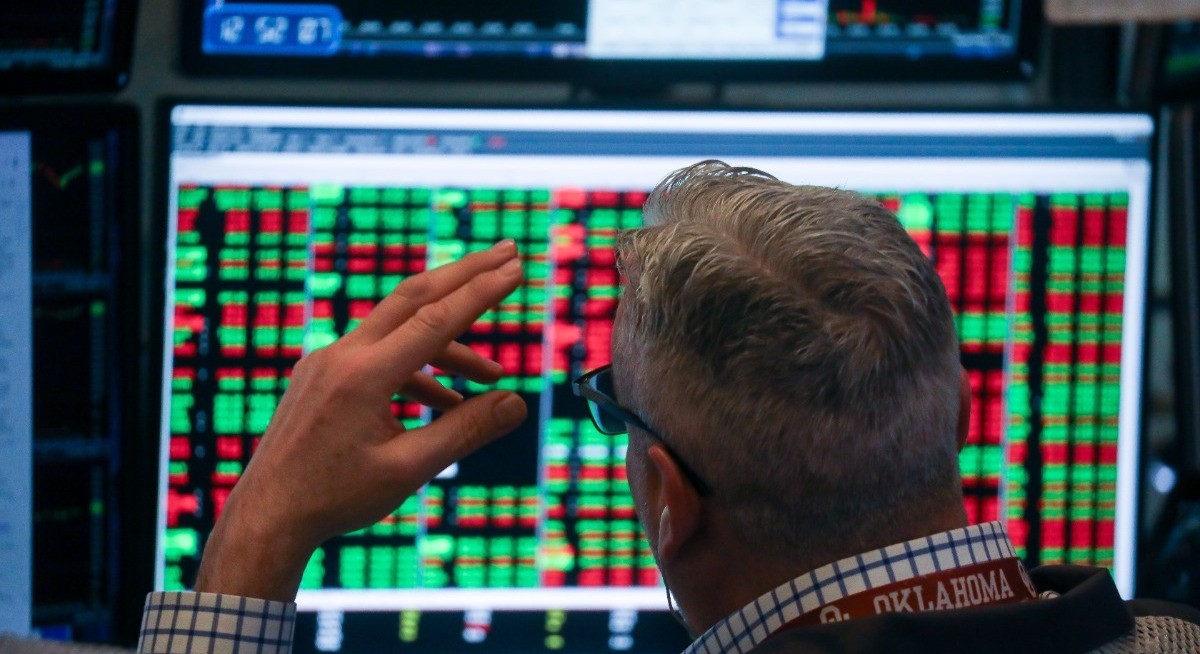


(March 31): US equities rose on Monday, putting a pause on a war-triggered selloff that spurred the longest stretch of losses since 2022 as investors and strategists across Wall Street suggested the selling was getting overdone.
Investors assessed mixed messaging from Federal Reserve chair Jerome Powell. The US central bank chief said the Fed will reach its 2% inflation target, while stating it has little control over supply shocks such as the recent surge in oil prices.
The S&P 500 Index climbed 0.4% as of 11.33am in New York and the Nasdaq 100 Index was up 0.2%. The modest gains came even as US and Israeli forces pressed ahead with attacks on Iran and energy prices continued their advance. The S&P 500 has dropped nearly 9% from its high on Jan 27 through Friday.
President Donald Trump said in a social media post that the US “is in serious discussions” with Iran to end military operations while repeating threats to destroy the country’s energy assets if the Strait of Hormuz isn’t reopened soon.

Morgan Stanley’s Mike Wilson said evidence is building that the slide in stocks over the past five weeks “is getting closer to its ending stages,” suggesting that investors have priced in growth risks more than the consensus thinks.
See also: Carnival cuts profit outlook as Iran war pushes up fuel cost
Meantime, the trading desk at Goldman Sachs Group Inc said signs of capitulation are starting to emerge among hedge funds, and the systematic community is running out of steam. It anticipates that CTAs will be buyers in every scenario over the next month.
The S&P 500 is on track for its worst month since 2022, while the the Nasdaq 100 is about trading 11% below its October record; on Friday, it pushed past the threshold that indicates a technical correction. The rout was spurred by concern that surging oil prices from war in the Middle East could choke off economic growth and reignite inflation.
The wreckage in Big Tech is flashing signs that have marked turning points for the group in the past. The Nasdaq 100 now trades at about 21 times projected 12-month earnings, just 1.7 points above that of the S&P. The last time the index’s valuation premium to the broader market was this low, it proceeded to outperform the S&P 500 by the most in a year.
See also: US stocks slide, Nasdaq 100 falls into correction as oil climbs
Treasuries rose early on Monday as traders worried about economic growth, while Brent hit US$115 a barrel. Energy stocks have rallied for 14 consecutive weeks, the longest winning streak in history.
JPMorgan Chase & Co strategists point to significant differences from 2022, when Russia’s invasion of Ukraine and Covid-19 disruptions contributed to inflation spiking to a 40-year high. Unlike then, central bank policy rates are elevated, wage data has been trending lower, and artificial intelligence makes deflation likelier than stagflation, they said.
“In terms of equity price moves, while markets are not pricing in a recession, it is not the case that complacency is rife,” a team led by Mislav Matejka wrote.
Uploaded by Felyx Teoh




