






The reasons for Asean's shallow internal integration are structural. Wide disparities in income and production sophistication limit complementarities, while intra-Asean investment—at only around a tenth of total FDI stock—remains too shallow to anchor durable supply and demand networks.
Asean's economy is now almost as large as Japan's. Its 10 member states sit at the heart of global supply chains, attracting more foreign investment in recent years than any other developing region. Yet for all this dynamism, Asean remains less connected within itself.
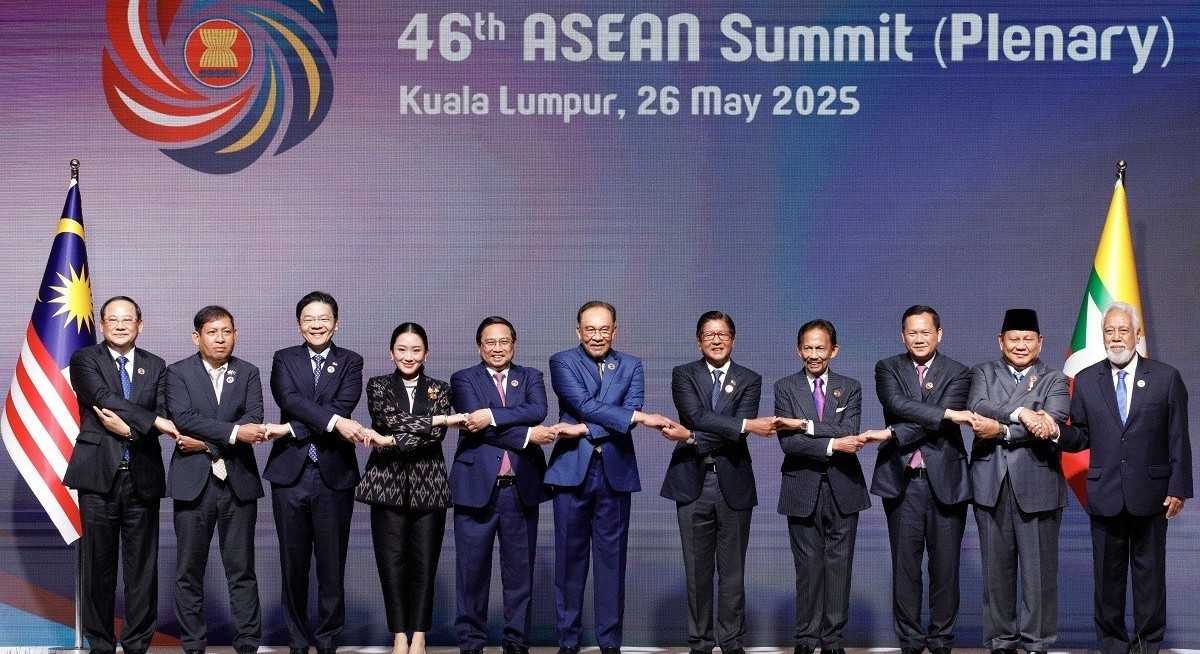
Intra-regional trade has hovered around 20 to 25% of total trade for two decades—roughly half the level seen between Asean and its closest partners: China, Japan, and South Korea, collectively known as the Plus-3. As leaders convene in Kuala Lumpur for the Asean Summit later this month, the question is not whether Asean can afford to deepen integration, but whether Asia can afford for it not to.




