



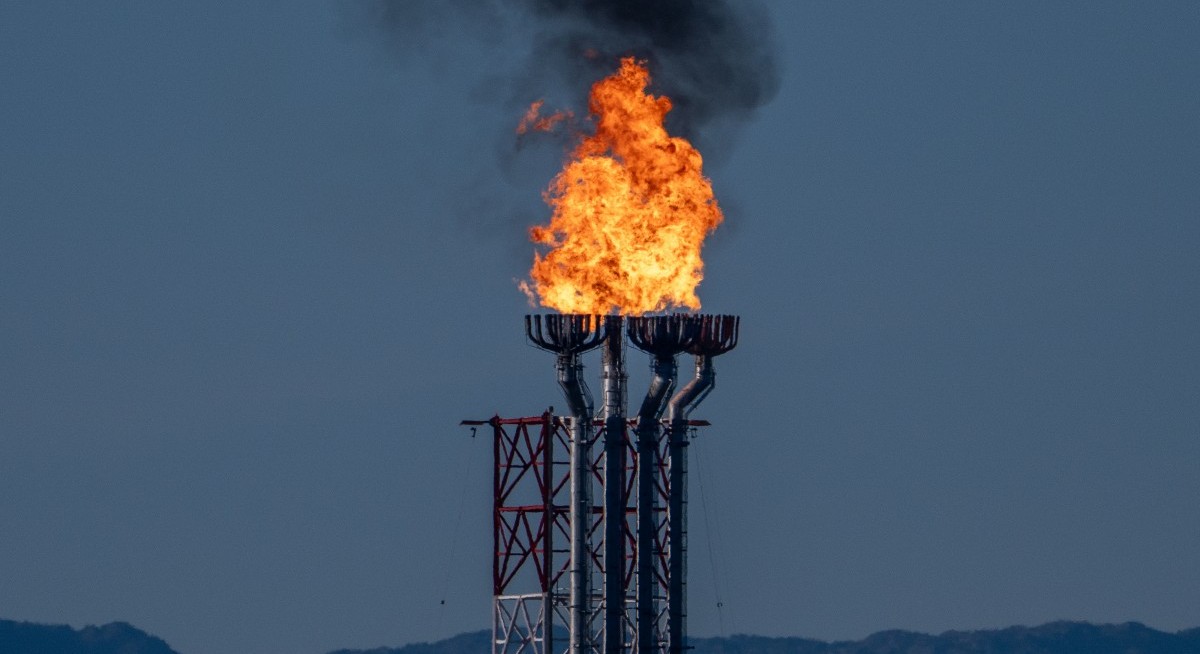



It would be easy to blame the pro-fossil fuel Trump administration for the shift, but that would be a mistake: It precedes its arrival.
For the last few years, climate and energy policymakers have convinced themselves the world was inexorably moving away from fossil fuels. Breaking news: It is not.
The consensus was that consumption of oil, natural gas and coal would peak before the end of this decade. There was debate about the speed of the subsequent decline, but the conclusion was the same: The end of the fossil-fuel era was within reach. But that tenet, key to achieving the ambition of net zero by 2050, wasn’t as cast in stone as its backers thought.
The annual report being prepared by International Energy Agency, which represents the views of the world’s richest nations, shows the alternative — decades more of robust fossil-fuel use, with oil and gas demand growing over the next 25 years — isn’t just possible but probable. That means more carbon-dioxide emissions that exacerbate the climate crisis.




