



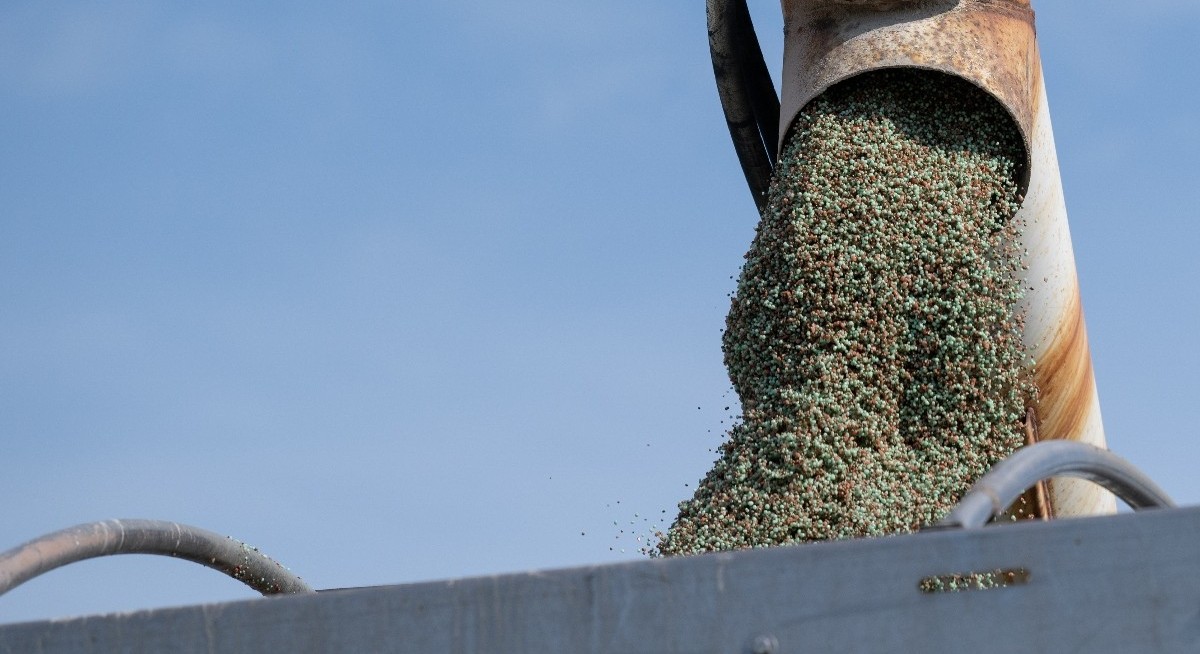



Without access to fertiliser or fuel at reasonable cost, planting — and later, harvesting — in the rice fields of the Mekong and Philippines has slowed down. Without naphtha, a liquid hydrocarbon mixture produced during the refining of crude oil, supply chains and packaging or anything relying on this Heavy Fuel are grinding to halt as the Industrial Disease spreads. Even if the strait is unblocked, it will take months, if not years, to recover some of these mothballed plants, machinery or routes.
De-frosted from my sojourns in Bhutan earlier in April, we end the month with many markets swimmingly making new highs, ignoring the double blockade in the Strait of Hormuz by both the Iranians and the Americans. Why Worry, it seems, the markets hum, as the ripples of the energy crisis start to compound from here, the Nasdaq makes a new high on April 24, even if the Sultans of Swing: Iranians and Americans appear to “negotiate” with shifting positions by tweeting and not by actually meeting in Islamabad.
The last ships to make it out, before the war started on Feb 28, have largely unloaded their cargo by now. Diesel and jet fuel prices have more than doubled, with some airlines in Europe and Asia struggling to access supplies as refineries slow down from supply shortfalls. With quotas imposed on fuel and work-from-home policies encouraged or implemented in many parts of Asia, the roads in Jakarta and Ho Chi Min have turned quiet: no more noisy motorcycles weaving around cars stuck in traffic jams — or indeed, what jams?




