






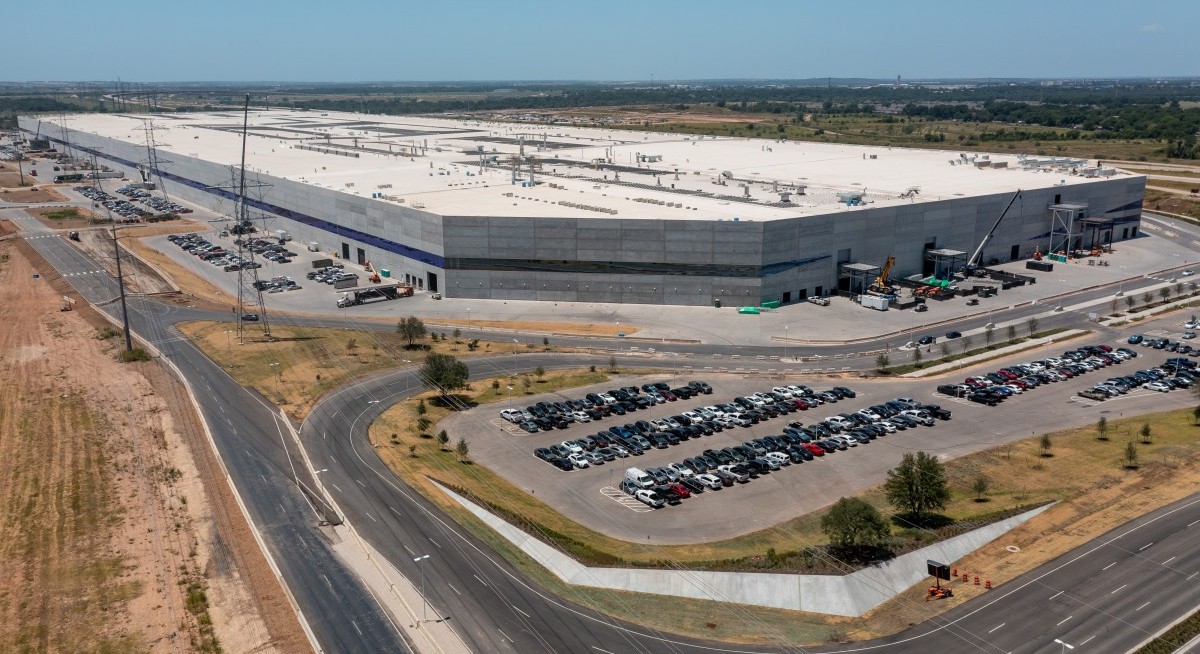



If you confidentially filed this past week to do an IPO of your flagship SpaceX in late June, in the week of your 55th birthday, aiming to raise US$75 billion at a valuation of around US$2 trillion, you clearly have the wherewithal and the track record to undertake any project on earth, or indeed in the sky. But to get there, you need a grand plan to build the most powerful processor chips on earth first.
Imagine you are almost a trillionaire with a net worth of around US$852 billion ($1.1 trillion). Without the Iran war and the selloff in tech stocks, you would probably be a trillionaire by now. Imagine that you genuinely believe the one thing that is slowing down the growth of your sprawling tech empire is the global capacity to make AI chips. There just aren’t as many chips being made as the world needs. You look at the largest chip manufacturer on earth, Taiwan Semiconductor Manufacturing Co (TSMC) with market capitalisation of US$1.8 trillion, and all you see is its mouth-watering 63% gross margins and its huge revenue and profit streams. You begin to wonder if you could use your magic touch to create your own oceans of profits by making the most sophisticated and powerful chips yourself in America. Indeed, anyone who has launched over 10,000 satellites in just the last three years would wonder how difficult it can be to make AI chips.
If your name is Elon Musk and you are the CEO of the EV pioneer Tesla Inc, which is readying to unleash millions of robotaxis on the world’s streets over the next few years and tens of millions of Optimus humanoid robots in homes and factories, as well as the founder of SpaceX, whose StarLink subsidiary has launched nearly seven out of 10 satellites in the sky and has a plan to build thousands of data centres in space, your first inclination would be just to build all the AI-driven infrastructure in space that you believe humans might need. The world needs data centres in space because the other main obstacle to growth is the lack of energy to power all those AI chips. A single state-of-the-art AI graphics processing unit (GPU), like Nvidia’s GB200 Blackwell chip, needs 1,200 watts of power, compared with about 200 watts for traditional server central processing unit (CPU) chips.




