









The sector is forecast to grow from US$100 billion in annual service revenues today to over US$400 billion within the next decade, and to US$1 trillion by 2045. Space communications is expected to grow from US$15 billion today to US$150 billion within the next decade. Low earth orbit communications capacity is likely to grow by over 100 times, as satellites capture 10% of global communications markets by 2035.
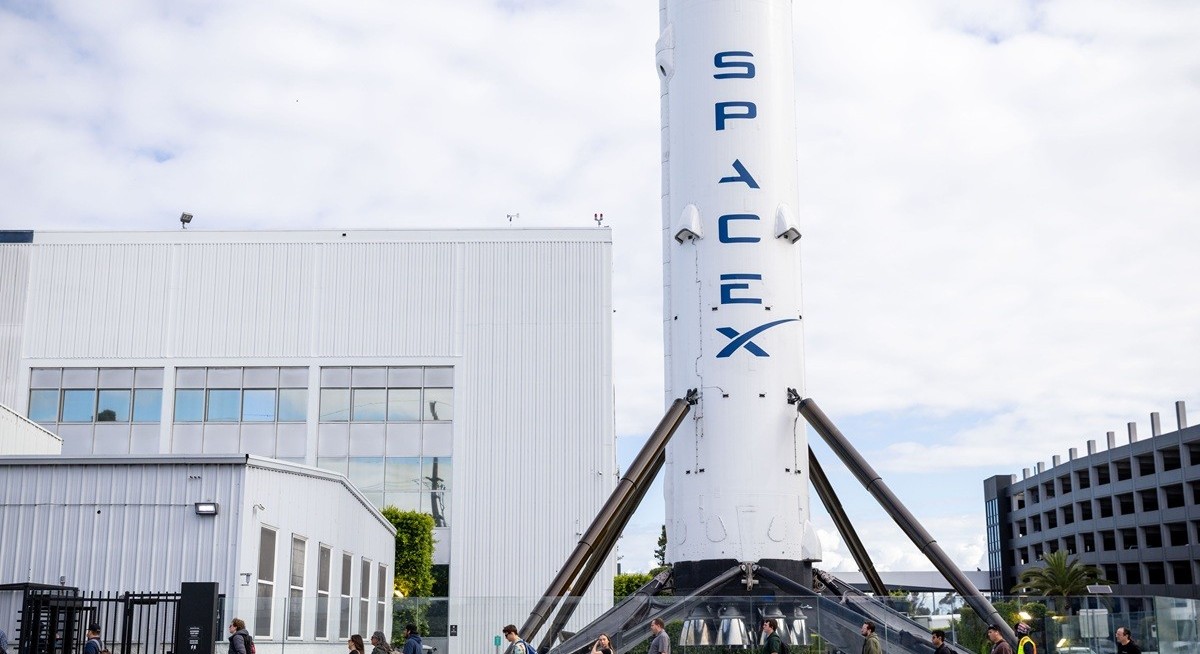
How do you value a company that is growing revenues at a 30% annual clip, focused on launching rockets and spaceships, founded by a visionary serial entrepreneur who already runs a pioneering electric vehicle (EV) firm worth US$1.3 trillion ($1.65 trillion) and is widely recognised as one of the greatest storytellers alive? On April 1, Elon Musk’s Space Exploration Technologies Corp, or SpaceX, filed for an IPO. The listing will raise US$75 billion at a valuation of US$2 trillion by June 28, Musk’s 55th birthday. Whether SpaceX deserves that sort of valuation will depend on whether Musk still has the power to charm and persuade investors into continuing to give him vast gobs of capital even as he constantly shifts the narrative.
Space exploration has, over the years, evolved into a compelling investment theme driven by increased defence spending, plummeting launch costs and new applications for space-based technologies. Billionaires such as Musk and e-commerce giant Amazon.com founder Jeff Bezos are the new masters of the sky, replacing Nasa, which once sent men to the moon and recently completed a successful lunar flyby with Artemis II. “Space tech is becoming the next layer of global digital infrastructure,” notes Tim Horan, satellite analyst for Oppenheimer & Co.




