









Tesla’s robotaxis in Texas are nothing like Waymo’s. They ply within a small geo-fenced area in Austin. Trips to and from airports are currently excluded and Tesla says its service may be limited or unavailable due to bad weather. Most importantly, for the first several weeks at least, Tesla will have a safety monitor sitting in the front passenger seat of the vehicle, while remote drivers also closely monitor each ride as backup. After General Motors’s robotaxi subsidiary Cruise’s operations were shuttered two years ago following a San Francisco incident in which an elderly lady was killed, Tesla is clearly taking no chances. An accident like Cruise’s could severely damage Musk’s reputation and derail Tesla’s ambitious plans to become a global leader in autonomous vehicles, artificial intelligence (AI), humanoid robots and energy storage.
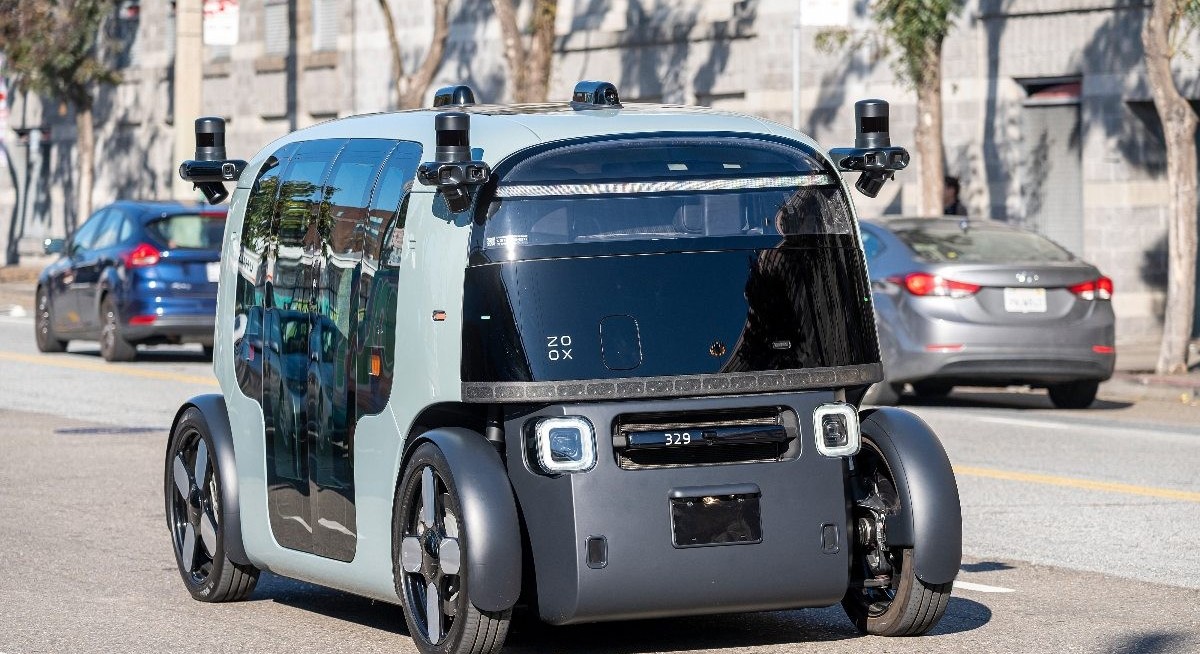
Billionaire Elon Musk’s pioneering electric vehicle (EV) maker, Tesla Inc, launched its first robotaxi service in Austin, Texas, with its Model Y on June 22. Yet, robotaxis is old news. Google’s owner, Alphabet Inc’s Waymo, has been operating driverless cabs in San Francisco, Silicon Valley and Phoenix for four years now. Last year, Waymo expanded its service to Los Angeles, Austin and Miami. Waymo recently launched robotaxis in Atlanta, Georgia. Its next major destinations are Washington DC, New York and Tokyo.
Here is what I know about robotaxis, having made multiple trips. Robotaxis are a better ride than cars driven by humans. They are also far safer. I trust machines more than human drivers. Over 40,000 people die in road accidents in the US every year. And given the option of riding an Uber driven by a human or a robotaxi, I will always choose the latter. There is now data that shows a lot of people agree with me. Waymo is gaining share from Uber and Lyft in San Francisco, even though its service is up to 40% more expensive than Uber’s. One in five people using ride-hailing in cities where robotaxis are available chose them over ride-hailing alternatives. In Austin, 19% of Uber users chose a Waymo driverless cab despite higher costs. It is unclear if users are choosing Waymo for the novelty or because they genuinely like to ride robotaxis or hate being driven around by a human driver.




