






Greenspan, for his part, took an expansive view of the challenges to sustaining disinflation in the post-Volcker period, introducing a risk-management approach to monetary policy that allowed the Fed to factor asset bubbles and productivity into its decision-making. From my perch at Morgan Stanley, I was critical of Greenspan for not staying true to the concerns he courageously raised in his famous “irrational exuberance” speech of December 1996. But he deserves enormous credit for having the mettle to challenge markets at a time of great froth.
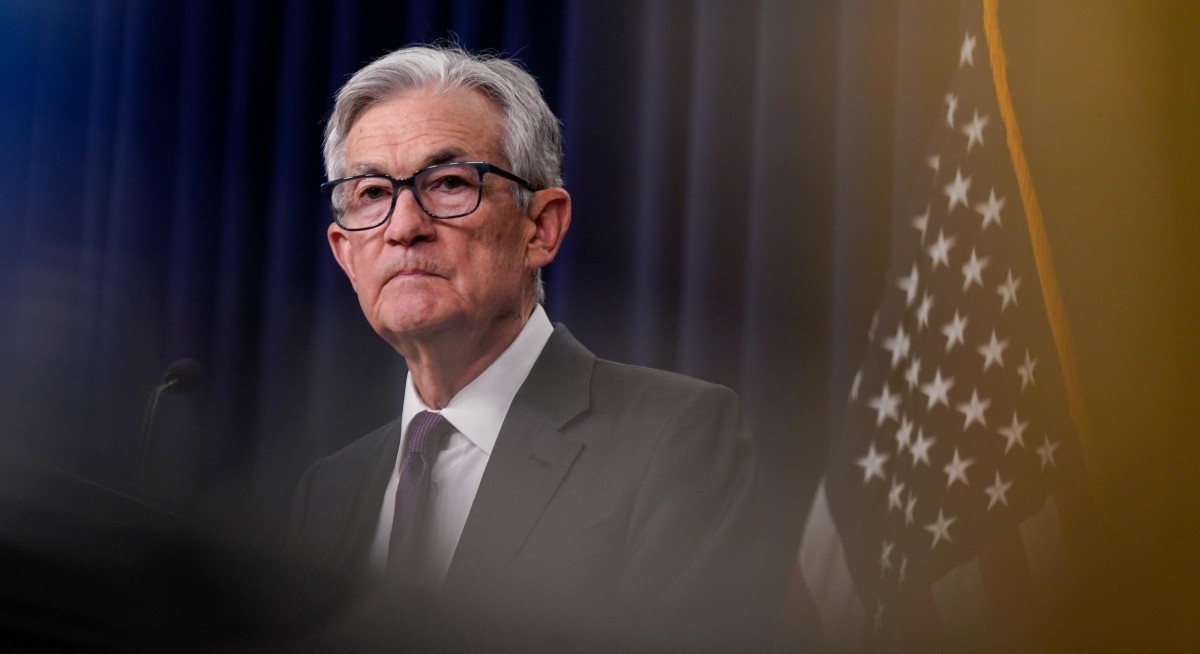
In the long history of US central banking, Federal Reserve Chair Jerome Powell stands out as a hero. His speech at this year’s Jackson Hole Economic Policy Symposium was focused and disciplined, demonstrating solid command of analytics and well-reasoned judgment in shaping monetary policy. And he managed all of this while facing unprecedented political pressure from US President Donald Trump that has since metastasized into an attempted firing of Fed Governor Lisa Cook.
As a fierce defender of the Fed’s long standing independence, Powell is worthy of joining Paul Volcker and Alan Greenspan in the Pantheon of US central banking. Volcker earned his place through political courage: he tightened monetary policy to tame double-digit inflation, despite knowing that it would push the US economy into a severe recession. As I wrote in my endorsement of Joseph Treaster’s 2004 biography of Volcker: “His courage as a central banker in leading the assault on the Great Inflation of the 1970s was the single most important step on the road to economic renewal in the US.”




