
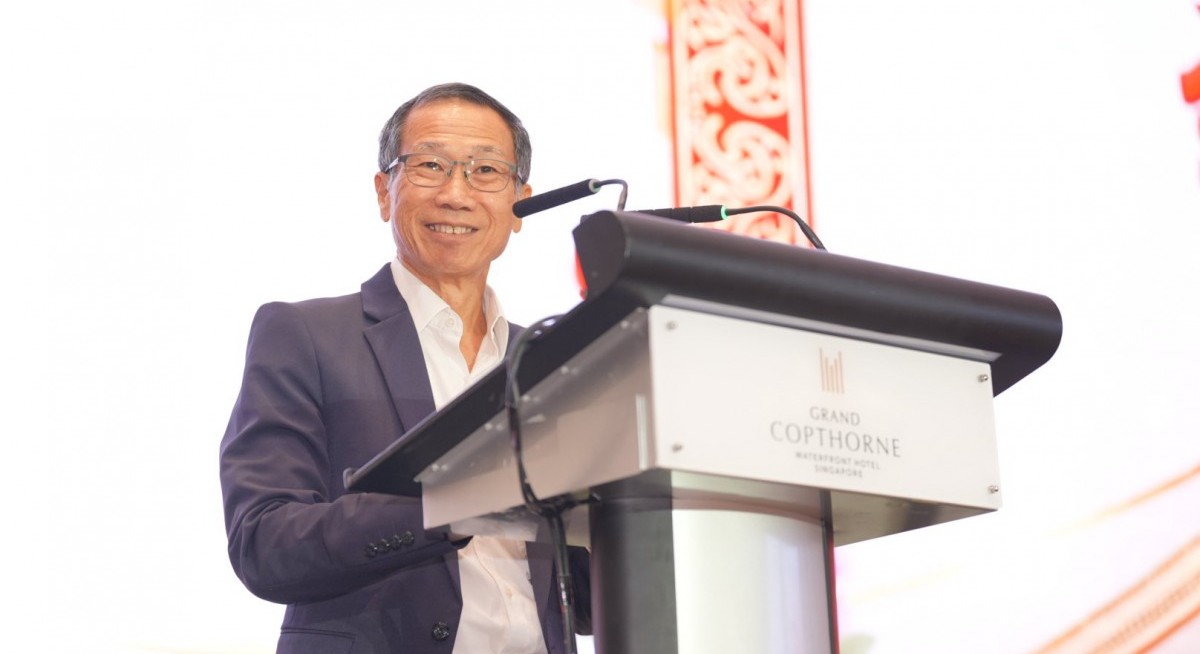

According to Tan, over 40 organisations have “expressed interest to participate” in the programme in just two weeks. Names include Allgreen, the Building and Construction Authority (BCA), CapitaLand Development, City Developments (CDL), Cushman & Wakefield, DBS, ERA, Frasers Property, GuocoLand, the Housing Development Board (HDB), Huttons, IOI Properties, JTC, Keppel, OUE, Realion, the Singapore Green Building Council (SGBC), SingHaiyi, Singapore Land, Sunway-MCL, UOL and Wee Hur.
These opportunities will also extend to first- and second-year students at NUS, allowing for “earlier exposure to the breadth and depth of careers within the real estate ecosystem”, says Tan.
Tan, who is also chairman of the board of Keppel REIT, says Redas has “received encouraging interest” from industry partners to offer management traineeships and to come on board as mentors.
“We also welcome other institutes of higher learning to roll out similar programmes,” he adds.
See also: Applying hybrid work principles to redesign modern workplace: Prudential
Risk of shrinking talent pool
The long-term health of Singapore’s real estate industry depends on its ability to attract and develop future leaders, says Tan. “We share a common concern that the young talent may not yet fully see the breadth of opportunities our industry offers.”
Fewer students are choosing real estate today, says Tan. “If this trend continues, we risk a smaller pool of trained professionals in the years ahead.
See also: AI already showing signs of slashing job openings in the UK
The Department of Real Estate (DRE) at NUS, established in 1969, was folded into the NUS Business School in July 2021.
Since then, the department has had to compete with other business disciplines to attract undergraduates, wrote Tan and his predecessor, CDL group general manager Chia Ngiang Hong, in a letter to Redas members dated Feb 9.
A consultative committee for DRE “has been exploring how we can respond collectively”, says Tan in his Feb 27 speech. Members include CBRE, CDL, HDB, JL Family Office, Redas, Oxford Properties, the Singapore Institute of Surveyors and Valuers and the Urban Redevelopment Authority (URA).
The new real estate talent programme is the “first step” of this committee’s efforts, adds Tan.
“This sends a strong signal that the industry is united and committed about investing in future talent,” says Tan. “This is only the beginning, and we hope more organisations can join us in the months ahead.”

