



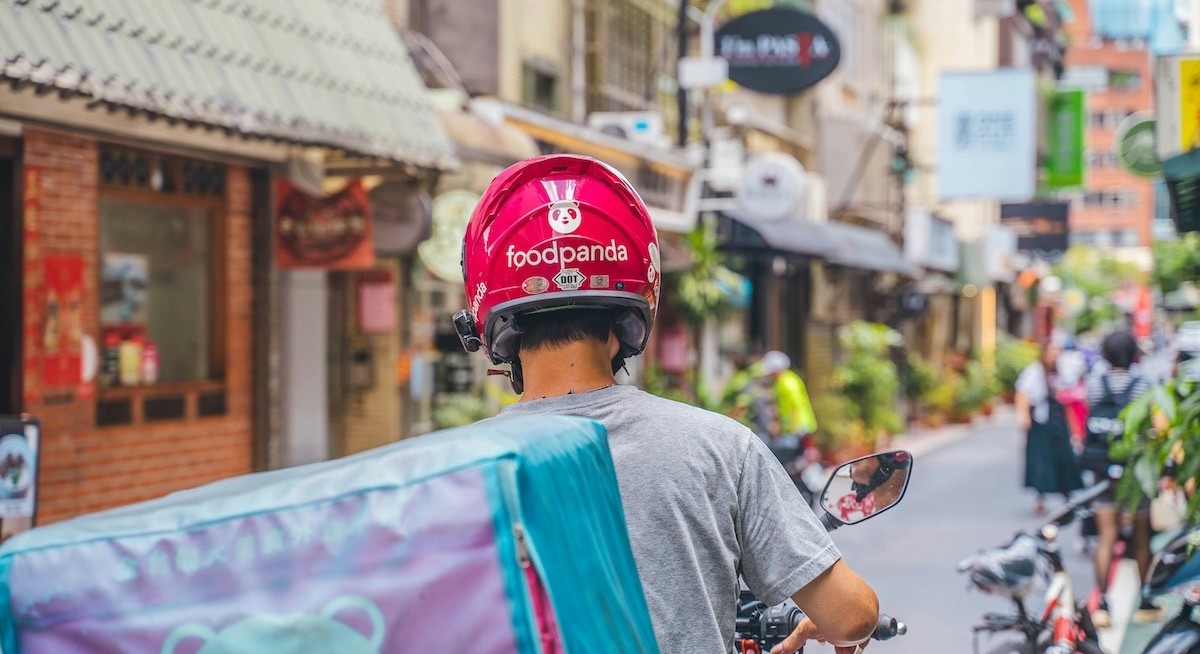



As Grab, Gojek, and Foodpanda remain locked in a regional share battle in Southeast Asia, DoorDash’s acquisition of Deliveroo signals growing external pressure from global players. Elsewhere, Blinkit, Zepto, and Swiggy battle for control over 90% of the Indian market, just as China’s Meituan and Taobao Xiaoshida continue to raise the bar with rapid, sub-hour deliveries.
Five years ago, quick commerce kept daily life moving when much of the world was locked down. Platforms like Foodpanda and Grab quickly became essential infrastructure for everyday needs. As the world reopened, many predicted the sector would decline. Instead, quick commerce has matured into one of the fastest forms of modern retail, compressing search, order, fulfillment, and satisfaction into minutes. Few industries operate with this level of speed or competitive pressure.
Asia continues to lead the quick commerce evolution. Statista estimates Asia’s quick commerce market will reach US$114.8 billion in revenue in 2025 and grow 8.2% annually through 2030. Rising urban density, smartphone adoption, and consumer expectations for immediacy fuel this growth and accelerating competition to new heights.




