



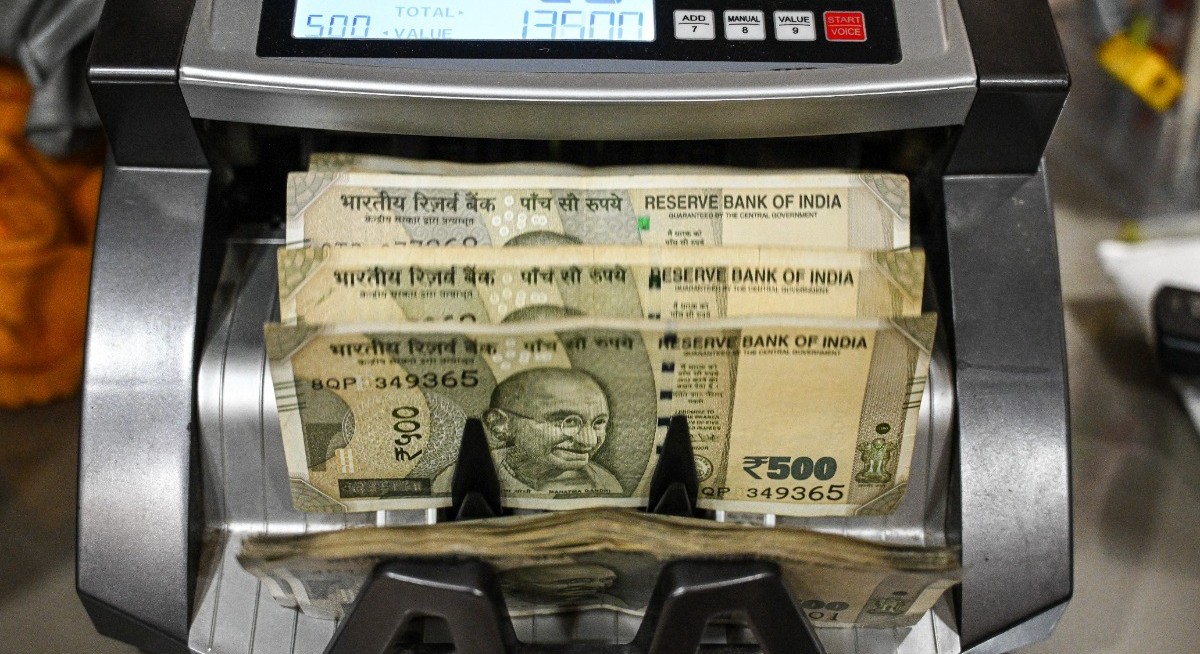


(March 10): India’s central bank may play a bigger role in both currency and bond markets as volatility in crude oil prices raises the risk of higher inflation putting pressure on government finances, analysts say.
The Reserve Bank of India has stepped up intervention in offshore and domestic markets to support the rupee as it slid to a record low. Late Friday, the RBI said it will buy one trillion rupees of bonds from the open market this month, adding to the screen-based purchases carried out in recent weeks.
The moves highlight how higher oil prices — which spiked after war in Iran started — are forcing the central bank to act on several fronts. Costlier energy threatens to stoke inflation, widen the trade gap and pressure the currency. By stepping into forex markets and buying bonds, the RBI is trying to steady the rupee, replenish liquidity and keep a lid on borrowing costs.
“The balance of payments may come under immense pressure if the Middle East crisis were to sustain beyond the near term,” said Upasna Bhardwaj, chief economist at Kotak Mahindra Bank Ltd. That may force the RBI to intervene frequently in currency markets and potentially boost bond buying beyond the four trillion-rupee base case, she said.

An email sent to the central bank spokesperson was unanswered.
See also: Bank Indonesia to defend rupiah amid volatile oil, analysts say
The central bank likely sold US$18 billion to US$20 billion in foreign exchange markets last week to support the rupee, with much of the intervention taking place offshore, according to Bhardwaj. It has also been doing buy-sell swaps to replenish liquidity, she said. India’s foreign exchange reserves stood at a record US$728.5 billion at the end of February.
Meanwhile, the rupee slumped to new lows during the current crisis, breaching 92 per dollar. The currency will likely remain under pressure, Barclays Bank plc economists including Mitul Kotecha wrote in a note.
Oil had approached US$120 a barrel on Monday as traders priced in a prolonged conflict in the Middle East before they tumbled on US President Donald Trump’s comments that the war will end soon. They’re still trading above levels seen in February.
See also: Emerging currencies rebound as Trump says Iran War may end soon
Some analysts said the RBI won’t aggressively defend the rupee given the uncertainty over how long the conflict will last.
“The RBI is likely to be more tolerant of INR weakness amid low visibility on the timing of the conflict’s end and oil prices above US$100,” said Anubhuti Sahay, head of India economic research at Standard Chartered plc. She added that with foreign exchange reserves likely to shrink because of intervention — and potential valuation losses — the central bank will need to deploy them carefully.
The central bank’s bond purchases are also aimed at replenishing liquidity drained by its forex operations and at keeping sovereign bond yields in check. Benchmark yields are climbing back toward levels last seen in January 2025 and are up more than 10 basis points this year, despite four interest-rate cuts and record cash injections last year.
“It is possible that the central bank is delivering on its commitment on forward-looking and proactive liquidity infusions by pairing currency interventions with bond purchases,” said Suyash Choudhary, chief investment officer for debt at Bandhan AMC Ltd.
Earlier this year, RBI Governor Sanjay Malhotra said the combination of low inflation and strong growth places India in a “rare Goldilocks period". In its October policy review, the central bank estimated crude prices at US$70 a barrel and said a 10% increase from that baseline could push up inflation by 30 basis points and cut growth by about 15 basis points.
Uploaded by Arion Yeow




