



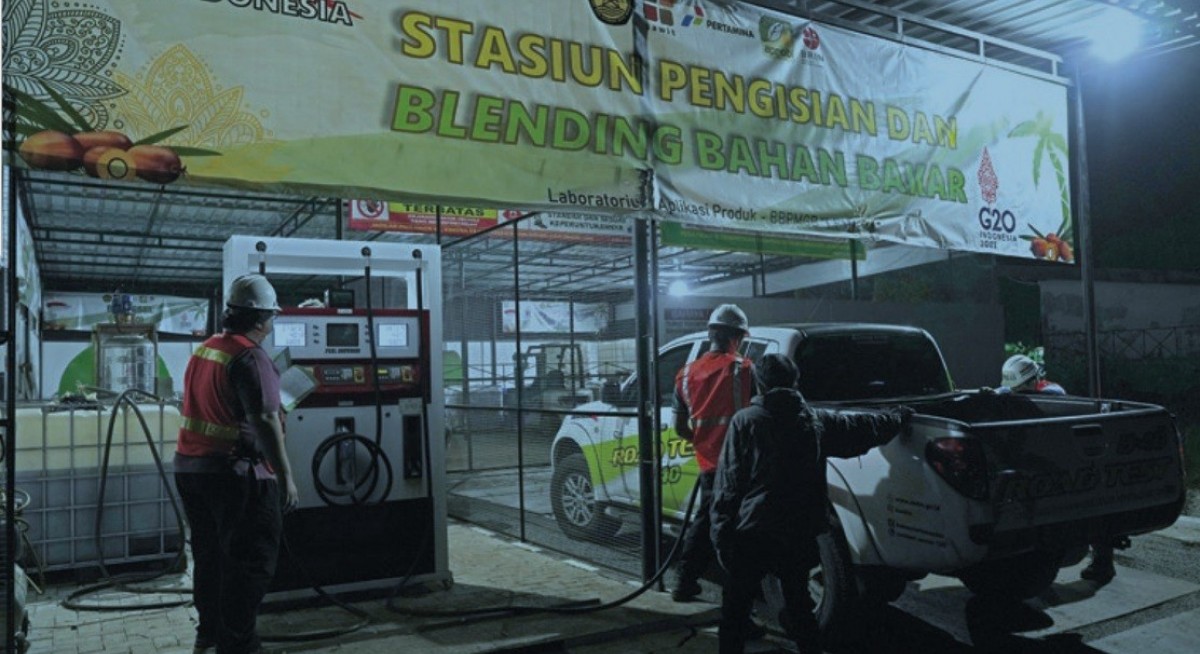



Since the war in Iran broke out, major biofuel-producing countries, including Indonesia, Malaysia, Thailand, Vietnam and Brazil, have moved to allow more biofuels to be blended into transport fuels to cut down on imports and ensure supply security.
Demand for biofuels has been growing in many parts of the world. Governments, particularly those in countries with large farming sectors, have viewed crop-based fuels as a way to support domestic agriculture, cut transport emissions from fossil fuels and help address climate change.
The energy crunch caused by the closure of the Strait of Hormuz has created a further incentive to boost production: energy security. Biofuels cannot fully replace petroleum, but they can be blended into gasoline and diesel, allowing countries to stretch existing fuel supplies.




