



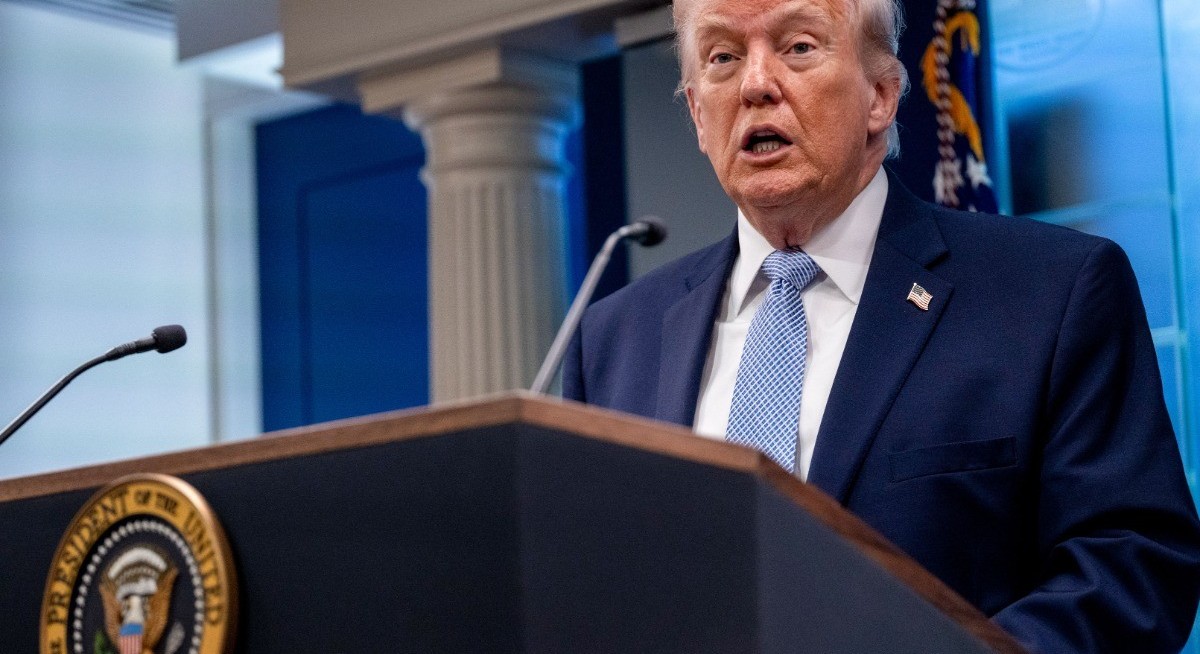


(April 11): US President Donald Trump ramped up pressure on Iran as Vice President JD Vance travelled to Pakistan for talks to end the war, with Israeli airstrikes in Lebanon and the Strait of Hormuz’s effective closure looming over diplomatic efforts.
Trump posted on social media on Friday that Tehran’s only leverage is “short-term extortion of the world by using international waterways” — a reference to Hormuz, a critical shipping lane for oil and natural gas that remains largely shut, raising global energy prices. Trump declared that the “Iranians don’t seem to realise they have no cards”.
While the two-week ceasefire is broadly holding across the Middle East, the situation with the strait and continued fighting between Israel and Hezbollah in Lebanon threaten to complicate negotiations due to begin over the weekend in Islamabad.
The Iranian delegation, led by Parliament Speaker Mohammad-Bagher Ghalibaf, has arrived in Islamabad, the semi-official Iranian news agency Tasnim reported on Friday.
Before arriving, Ghalibaf pushed back, stressing on social media that a ceasefire in Lebanon is one measure that “must be fulfilled before negotiations begin”. The other is the “release of Iran’s blocked assets”, he added, without being more specific.
The president told reporters late on Friday that he expects that the strait to be opened “pretty quickly” and warned that if it didn’t he could resume military action.
See also: Starmer says Trump’s Iran rhetoric is contrary to UK values
Trump earlier had detailed that threat to the New York Post, saying US warships are being reloaded with “the best ammunition” to launch fresh attacks if talks falter. When asked if he believes negotiations would be successful, Trump told the Post: “We are going to find out in about 24 hours.”
Before departing for Pakistan, Vance told reporters Trump had provided “clear guidelines” for the talks and the vice-president urged Iran to take the negotiations seriously, warning Tehran not “to try to play us”.
An Iranian delegation is expected to arrive in Islamabad on Friday night, officials in Pakistan’s capital said. Ghalibaf and Iranian Foreign Minister Abbas Araghchi will lead the delegation, one of the people said, asking not to be identified because the discussions are private.
See also: Australia turns to Asia for fuel, security as US ally distracted
The Middle East war has killed thousands of people and damaged energy infrastructure across the oil-rich Persian Gulf in the past six weeks, while Iran’s ongoing shuttering of Hormuz has choked global fuel supplies. The strait — which handled about a fifth of the world’s oil and liquefied natural gas before the war — remains a central sticking point.

Traffic through the strategic waterway has shown little sign of a meaningful pickup since the truce began, as shipowners await clarification of its status. A Russian-flagged supertanker passed through the strait late Thursday, ship-tracking data showed, but that was a rare example.
The ongoing blockage has maintained pressure on oil prices. US crude swung between losses and gains all session as traders unwound positions into the weekend to stay neutral ahead of the talks on Saturday. Prices settled below US$97 ($123.59) a barrel.
Wall Street traders bracing for the talks left stocks wavering. An advance in equities faded after Trump’s comments to the New York Post about preparing for further military action.
Trump, who has warned Iran against charging fees on tankers, said Friday the US would not permit Tehran to collect tolls to transit the strait. “Nobody knows if they are doing that, but if they are doing that, we are not going to let that happen,” Trump said.
Despite the challenges, Trump has said he’s optimistic about a deal with Tehran, describing Iran’s leaders during an NBC News interview as “much more reasonable” than their public comments would suggest.
To stay ahead of Singapore and the region’s corporate and economic trends, click here for Latest Section
Iran’s new supreme leader, Mojtaba Khamenei, whose father was killed on the first day of the war, said in a statement on Telegram that Iran “will definitely bring the management of the Strait of Hormuz to a new stage”, though it was unclear whether he was referring to previous Iranian demands to retain control of the waterway that the US has rejected.
Khamenei also reiterated that Iran wants war reparations, a likely non-starter for US negotiators.
The Israeli campaign in Lebanon remained one of the major hurdles to talks, with Trump telling NBC that Prime Minister Benjamin Netanyahu is “going to low-key it” with airstrikes on Lebanon, after a major operation on Wednesday killed more than 200 people.
Iran has said the US bears responsibility for halting fighting in Lebanon, which has killed more than 1,700 people, while American officials insist the country is not part of the ceasefire accord.
Israeli Ambassador to the US Yechiel Leiter in a statement said his country agrees to formal peace negotiations starting Tuesday with the Lebanese government, though he said they refuse to discuss any ceasefire with Hezbollah.
Netanyahu has reiterated his position that the ongoing attacks in Lebanon aren’t part of the US-Iran ceasefire deal.
Hezbollah’s “resistance will continue until its last breath”, secretary general Naim Qasem said, according to Al-Manar TV.
The US and Iran appeared to pause most strikes. The Kuwaiti Foreign Ministry said fresh strikes were carried out by Iran and its proxies overnight on Thursday, with no further reports on Friday.
The war in the Middle East has claimed more than 5,500 lives, according to governments and non-governmental agencies. More than 3,600 people have been killed in Iran, the US-based Human Rights Activists News Agency estimated, while more than 1,700 people have died in Lebanon, the government said.
Israel said it had killed more than 1,400 Hezbollah militants, including 200 on Wednesday.
Israel has reported about three dozen deaths, and a similar number have been killed across Gulf Arab nations, government reports showed. There have also been several dozen casualties in Iraq. Thirteen American troops have been killed, according to US Central Command.
Uploaded by Tham Yek Lee




