



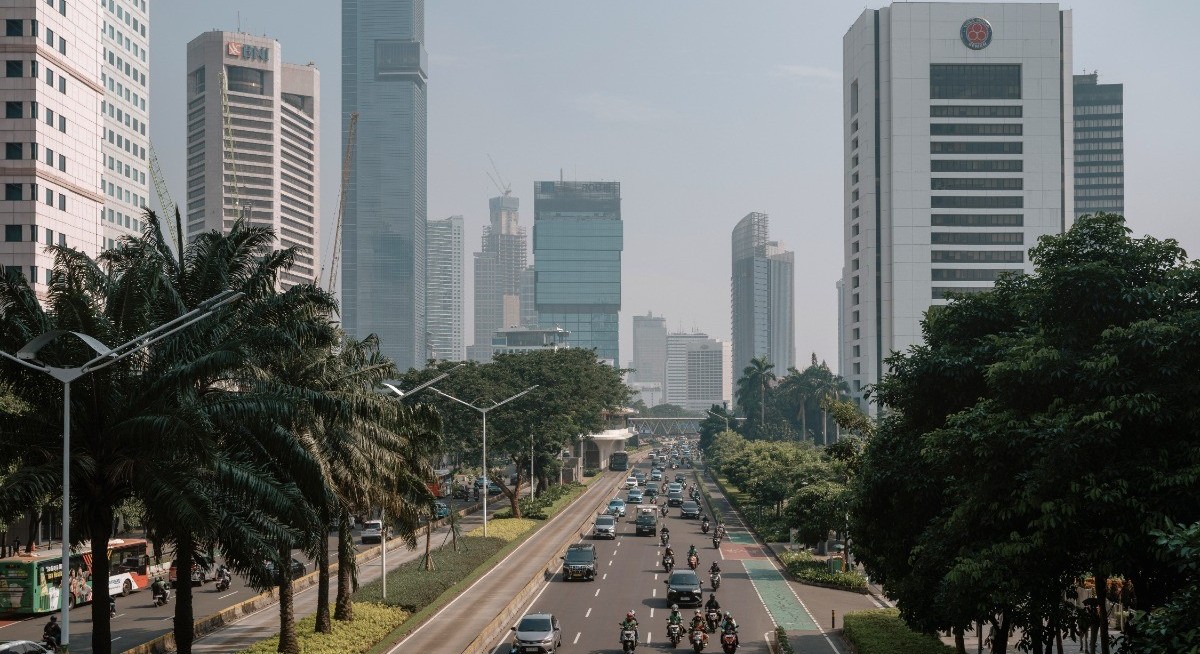


(Feb 26): S&P Global Ratings warned that rising fiscal pressures, particularly higher debt-servicing costs, are increasing downside risks for Indonesia’s sovereign credit profile and could lead to negative rating action.
Interest payments “very likely” exceeded the key threshold of 15% of government revenue last year, Rain Yin, a sovereign analyst at S&P Global Ratings, said in an online webinar about the Asia-Pacific region on Thursday. If they stay above the threshold on a sustained basis, that could prompt a more negative view on the rating, she said.
While S&P hasn’t changed the stable outlook on Indonesia’s BBB credit rating, the comments show widening concern about the country’s fiscal position. Moody’s Ratings Inc in early February changed the outlook on Indonesia’s Baa2 rating to negative from stable, citing weakening governance and fiscal risks under President Prabowo Subianto’s administration.
The Moody’s statement, along with a warning from MSCI Inc on the need for market reforms, hit already weak sentiment among foreign investors in the country. In response, the government has announced reforms and said the economy is picking up.

S&P highlighted the ratio of interest payments to revenue as a key metric, with Indonesia having consistently stayed below 15% for a long time. But the ratio rose significantly since the pandemic and is not declining quickly.
See also: Canada GDP shrinks 0.6% in 4Q as inventory drops
Indonesia, which has a self-imposed rule capping fiscal deficits at 3% of gross domestic product, had a higher-than-expected 2.9% deficit last year because of weak revenue. That’s a development that S&P sees as “moving up a bit more quickly” in terms of downside risk to the country’s fiscal trajectory.
Sustained weakness in revenues could keep the country’s interest burden elevated and erode fiscal buffers that underpin the sovereign rating, S&P said.
“The two developments that we are watching very carefully is really on the medium-term fiscal framework, whether it continues to be anchored by a very well-established fiscal rule policy, and secondly, on revenue developments,” Yin said.
See also: German inflation eases to 2% as economic recovery starts slowly

Stocks plunged the most in decades in late January after index provider MSCI Inc warned the country may be downgraded from emerging-market status if it fails to address concerns over investability and transparency. Regulators have been quick to respond by rolling out market reform plans that include a higher requirement of stocks available for trading or free float.
The recent slump in Indonesian stocks won’t immediately impact the country’s sovereign rating, but S&P says it’s “important” to restore foreign investor confidence to avoid capital outflow risks that can raise financing costs, pressure the rupiah and undermine public finances.
“It is possible that the pressures on prices could intensify if the index weight changes, or if the reclassification actually does happen,” said Kim Eng Tan, Asia Pacific sovereign ratings managing director and sector lead. “This could affect or cause a reversal of foreign capital from Indonesia’s stock exchange.”
If foreign funds reduce their exposure to Indonesia in a big way, liquidity in the capital market would be affected, resulting in rising financing costs for both the government and business borrowers, Tan said, noting that investors also hold short-term debt instruments and deposits in markets where they invest in equity.
Weaker inflows could also require Bank Indonesia to draw down its foreign exchange reserves in order to support the rupiah exchange rate.
“Such developments could add to the downward pressures that have developed recently on the sovereign rating on Indonesia,” he said.
Uploaded by Evelyn Chan




