



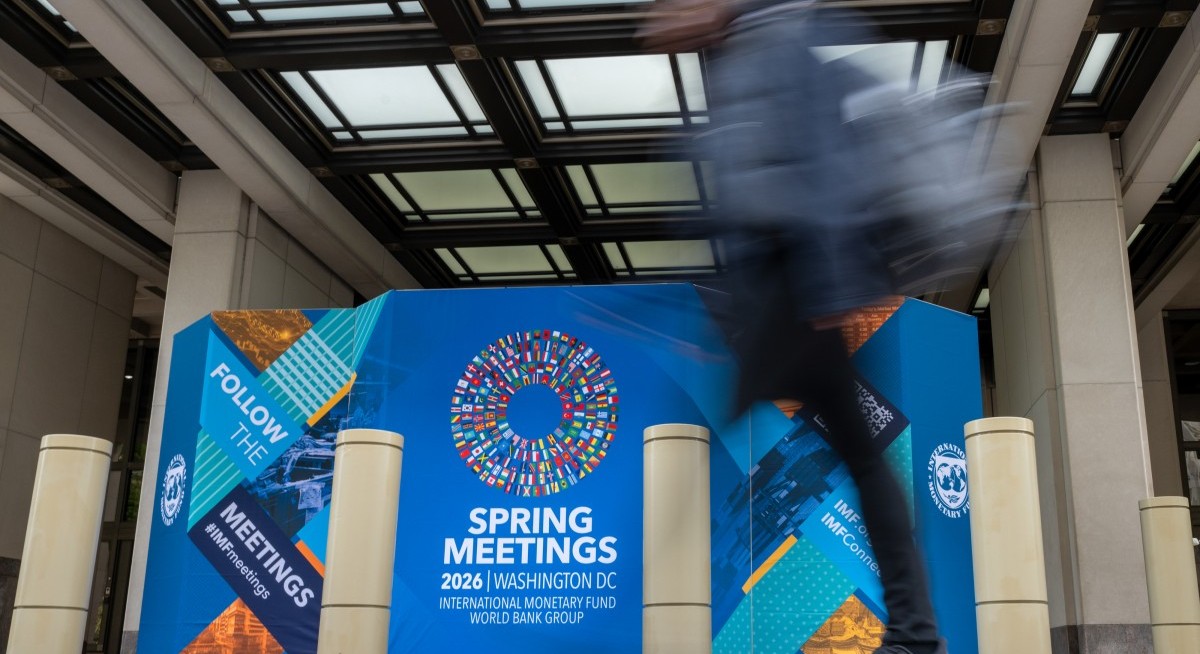


(April 10): The World Bank Group could mobilise US$20 billion ($25.47 billion) to US$25 billion in rapid financing for countries grappling with the economic fallout of the war in Iran, according to the bank’s top official.
Ajay Banga, president of the World Bank, said such liquidity could be made available “very quickly” by utilising the lender’s crisis preparedness and response toolkit. It allows access to up to 10% of undisbursed balances for approved projects in a country to be diverted for the purposes of crisis management.
If the conflict persists, the World Bank is trying to see if it can get another US$50 billion to US$60 billion in capacity to help, Banga said Thursday in an interview with Bloomberg Television.
Any World Bank support would add to that from the International Monetary Fund. The fund’s chief said that they expect countries to ask US$20 billion to US$50 billion for balance of payment needs.
“What we do right now has to be done in a way in countries that it’s kind of targeted carefully, and it’s purely temporary and transparent,” Banga added.
Economists anticipate the war in the Middle East — and the resulting disruptions to oil and global supply chains — to slow global growth and stoke inflation.
See also: Trump warns Iran not to charge fees for ships transiting Hormuz
Banga said emerging markets should be more concerned about inflation than growth right now, due to the immediate impact from the disruption of supplies from oil and gas to sulfur and helium to fertiliser.
“They’re both important,” Banga said. “I’d just prioritise inflation” before growth.
Uploaded by Isabelle Francis




