



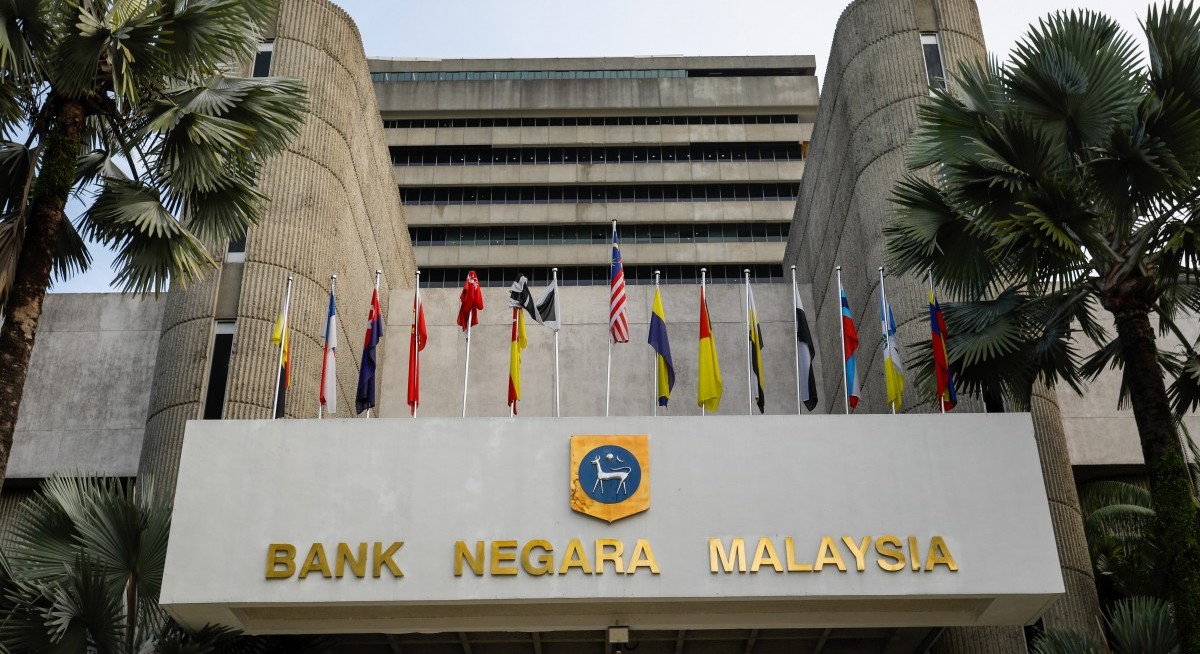


(March 5): Fixed-income investors are positioning for higher interest rates in Malaysia, defying forecasts for a hold as the economy grows at nearly the fastest pace in the region.
Ringgit interest-rate swaps are starting to price the chance of a rate hike in the coming months, establishing Bank Negara Malaysia as a hawkish outlier in Southeast Asia. This shift contrasts with regional peers where most central banks are expected to stay on hold or cut rates further.
The hawkish tilt follows data showing Malaysia was among Southeast Asia’s most resilient growth engines in the fourth quarter with a 6.3% expansion. Rising energy costs due to the war in the Middle East are also backing the case for a rate hike, after the inflation rate stayed close to the highest in nearly a year in January.
“We still have a paid bias on Malaysian rates,” said Jason Pang, a fixed-income portfolio manager at JPMorgan Asset Management in Hong Kong, referring to a trade that turns a profit when market rates rise.

Malaysia’s growth remains relatively robust, and a sustained energy shock combined with semiconductor price hikes could drive inflation higher, he said.
See also: Malaysia to hold off on growth upgrade on Mideast risks, says Amir Hamzah
Market pricing reflects this bias. Ringgit swaps are pricing more than a 20% probability of a quarter-point rate hike within a year, contrasting with the steady-rate expectations in Thailand. Economists surveyed by Bloomberg forecast rate cuts in Indonesia next quarter and the Philippines in early 2027.
Malaysia’s central bank kept its policy rate unchanged at 2.75% on Thursday, while warning of downside risks that have risen from the deepening conflict in the Middle East.
“The most likely driver of a rate hike would be BNM growing more uncomfortable with rates remaining too low for too long and fueling financial stability risks – not inflation,” Brian Tan, an economist at Barclays Plc, said before the rate decision.
See also: MNRB said to get approval to start talks on sale of Islamic insurer Takaful Ikhlas — Bloomberg
Still the threat of price pressures is growing, especially after Malaysia’s economy minister, Akmal Nasrullah Mohd Nasir warned of an energy cost spike. While higher oil prices will benefit national oil company Petroliam Nasional Bhd — which contributes heavily to state revenue — the gains will be offset by the rising cost of imported refined products, he said.
AI-driven chip demand lifted Malaysia’s electronics exports, driving the fastest surge in more than three years in January. “Malaysia’s data center and semiconductor supply chain strategy, if successfully executed, can lead to tremendous benefits toward the economy,” JPMorgan’s Pang said.
Uploaded by Magessan Varatharaja




