



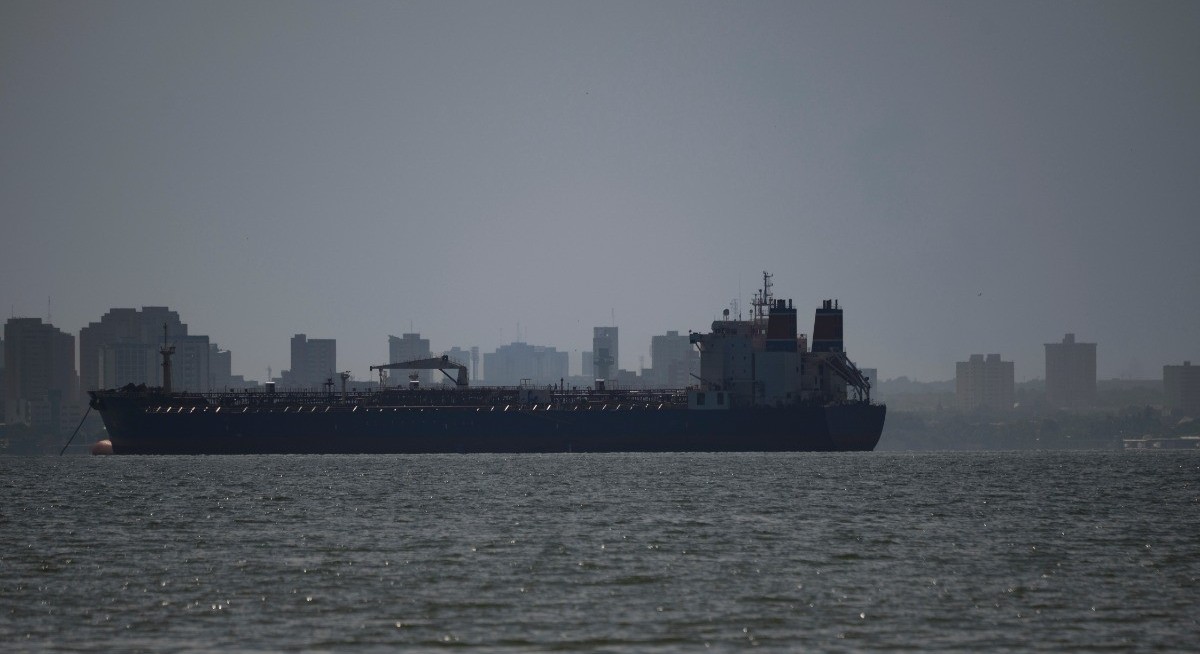



(June 19): Traffic through the Strait of Hormuz appeared to thin early on Friday, just a day after a burst of oil flows through the waterway as the US and Iran vowed to lift a dual blockade.
No tankers were seen moving outbound from the Persian Gulf on Friday morning, though one very large crude carrier (VLCC) reappeared off the Omani capital Muscat, suggesting it had crossed the strait. An Iran-linked liquefied petroleum gas carrier and a Norwegian-flagged products tanker made inward transits.
Meanwhile, four fully-laden VLCCs stuck inside the Persian Gulf appeared to be approaching the strait. Two India-linked VLCCs began sailing towards the strait on Friday, while two others sailed east in the gulf to be nearer to the waterway.
The relative calm came as doubts emerged over whether the US and Iran would be able to work out contentious details in the memorandum of understanding in the 60-day period. Plans between the two sides to meet in Switzerland were cancelled, while Israeli forces said they struck southern Lebanon despite warnings from Washington not to do so.
“The immediate collapse of the first scheduled negotiation round represents a setback to regional stabilisation efforts,” maritime risk company Marisks said on Friday in a note to clients seen by Bloomberg News. “Unless diplomatic engagement resumes, the security environment is likely to remain volatile, with maritime stakeholders facing continued uncertainty.”

See also: Hormuz traffic picks up as more tankers broadcast crossings
The Tenzan was observed approaching Hormuz late on Thursday before going dark, and is now sailing in the Gulf of Oman. The supertanker is laden with nearly 1.8 million barrels of Das Island crude, and is signalling that it's for orders, ship-tracking data showed.
The Japanese government said a vessel linked to the country made a crossing on Friday, without naming the ship. Tokyo-based Kyoei Tanker Co Ltd, which is listed as the ship’s operator on Equasis, didn’t immediately respond to an emailed request for comments.
There were other warnings. The Joint Maritime Information Center said there were still mines in the middle of the strait, recommending a southern route near the Oman coastline. Maritime trade group Bimco and analysts at RBC Capital warned that significant safety and security risks to shipping remain, including congestion and questions over how much control Iran will retain on traffic through the waterway.
See also: Oil steadies as Iran sales waiver signals peace talks progress
There was optimism leading up to the signing of the interim deal. Just hours after it was inked on Thursday, ships carrying nearly 10 million barrels of oil were observed emerging outside the strait or were sailing through, including the first Saudi-owned tankers since the start of the war.
Meanwhile, around 40 VLCCs carrying nearly 80 million barrels of non-Iranian crude remain primed to sail out of the Persian Gulf should safe transits resume. That includes the four vessels headed towards the strait.
Uploaded by Tham Yek Lee




