






(May 26): Some palm oil refiners in Indonesia are avoiding buying fruit from small farmers, a sign of how the government’s commodity export overhaul risks squeezing grower incomes and crimping supplies of the crop.
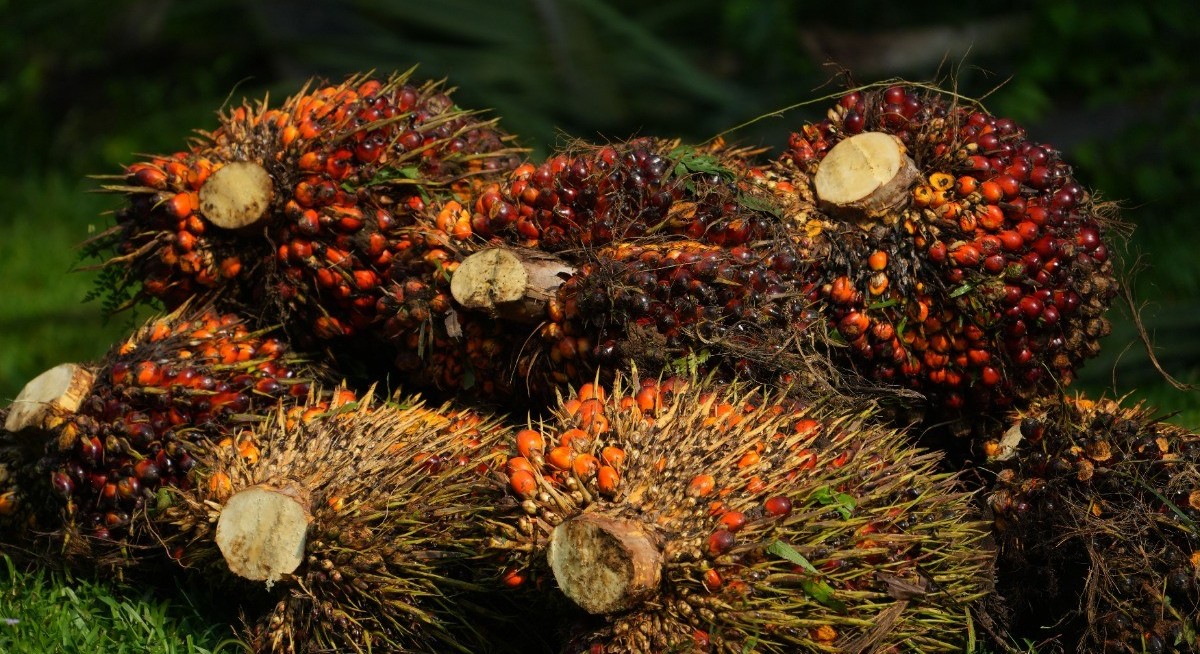
Several processors have stopped purchasing fresh fruit bunches from smallholders while they wait for clarity on the new export framework, according to people familiar with the matter.
Large refiners that already have sufficient supply from their own plantations are, meanwhile, choosing to avoid spot purchases due to the policy uncertainty, the people said, asking not to be named as they’re not authorised to speak to media.
President Prabowo Subianto last week unveiled plans for the government to take direct control over exports of some of the nation’s most important commodities. Danantara Sumberdaya Indonesia, a new entity under one of Indonesia’s sovereign wealth fund, will start by taking over export management of palm oil, thermal coal and some nickel products — markets that Indonesia dominates.
Prabowo has said the policy is aimed at increasing transparency and curbing tax evasion, but, in the short term at least, it has rattled investors and whipsawed palm markets. State-linked tenders, which serve as a benchmark for domestic crude palm oil prices and export offers, have ground to a halt since the announcement as buyers slashed bids for spot cargoes, even as Malaysian palm futures climbed.
Benchmark futures in Kuala Lumpur rose as much as 0.8% on Tuesday.
See also: Palm oil buyers book Indonesia orders despite export rule mayhem
Indonesia’s government, along with business operators and palm oil farmer associations, has agreed on steps to maintain the stability of prices and ensure smooth implementation of the new export policy, Deputy Minister of Agriculture Sudaryono said in a statement, following a meeting with industry stakeholders on Tuesday.
The volatility in prices is being driven by “psychological fears”, including uncertainty and a lack of understanding on how the new regulations will work, Sudaryono said. After the meeting, producers agreed to buy fresh fruit bunches at reference prices set by local governments, he said.
The Southeast Asian nation accounts for about 55% of global palm oil production, which is harvested year-round. Roughly half of the country’s output is produced by smallholders.
See also: Indonesia asks police to probe hundreds of firms on palm oil prices
Prices of fresh fruit bunches have plunged to around 1,500 to 2,500 rupiah (US$0.08 to US$0.14 or $0.11 to $0.18) to a kilogram from about 3,800 rupiah before the government announced the export overhaul, according to Mansuetus Darto, chairman of the Indonesian Oil Palm Farmers’ Association, which represents smaller growers.
“Fruit is being left to rot in the fields as the collectors have stopped picking up fruit with trucks, and farmers don’t have their own trucks,” he said. Independent smallholders and mills without plantations are most at risk, Darto said.
Changes to Indonesia’s export framework could have a more direct impact on downstream refiners, given that about 70% of the country’s export volumes are processed palm products, CGS International analyst Jacquelyn Yow said in a note on Tuesday.
“The key risk is downstream margins becoming diluted under the new structure,” she said. “If exports are eventually routed through a state-linked platform that captures part of the trading spread or imposes additional service fees, this would effectively come at the expense of refiners’ and traders’ margins, while potentially reducing pricing flexibility and export competitiveness.”
Global markets and major trading partners can expect updates on Indonesia’s new commodity export policy within weeks, Vice Minister of Trade Dyah Roro Esti Widya Putri said in a Bloomberg TV interview on Saturday.
Uploaded by Chng Shear Lane




